
Planting
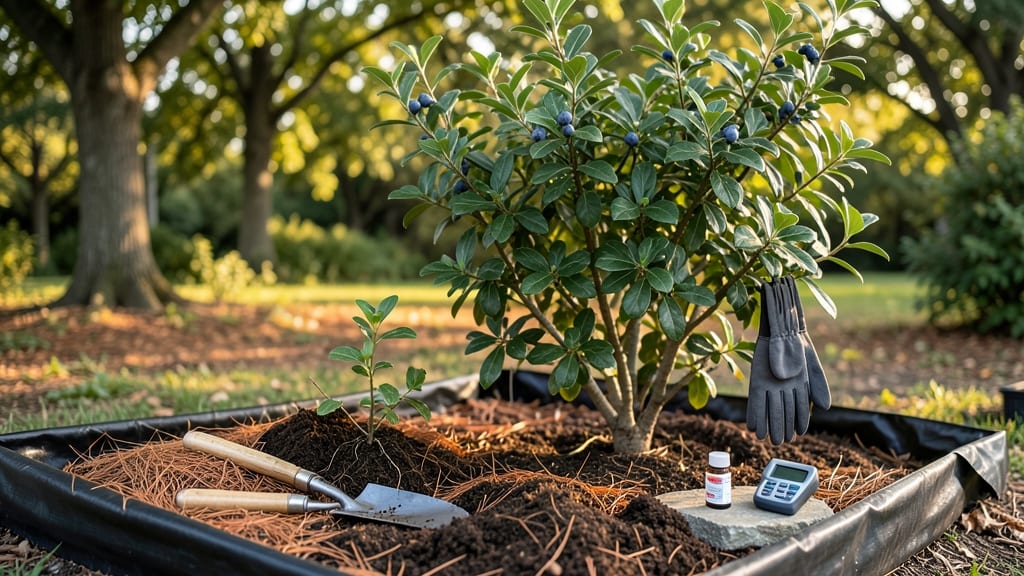
Starting blueberry plants from scratch means homegrown berries in just 3 years—not the 5+ years you’d wait buying mature plants. 🌱 I learned the hard way that soil acidity and sunlight are the real dealbreakers, but once you nail those, your bushes will reward you with buckets of sweet, juicy fruit every summer.
You’ll need acidic soil (think pH 4.5-5.5), a sunny spot with 6+ hours of light daily, and either bare-root seedlings, container-grown plants, or cuttings from established bushes. Most beginners overlook the soil prep—amending with sulfur or peat moss is non-negotiable if your yard’s soil is alkaline.
Within 6 months, you’ll see strong root growth and new shoots; by year 2, expect your first flowers (though they’ll likely turn into berries only in year 3).
The key is consistent moisture—1-2 inches per week—and a light layer of mulch to keep roots cool and soil acidic.
Even in small spaces, dwarf varieties fit containers, and pruning in late winter keeps them productive. My first harvest was only 2 pints, but now I get 20+ pounds—and the birds haven’t discovered my secret yet. Here’s how to set yours up for success.
📚 In This Guide
- What you need
- Instructions
- Tips and common mistakes
- Wrapping up and next steps
What you need
- ● Blueberry seedlings or bare-root plants (4–6 plants for a small garden; choose northern or southern varieties based on your climate zone).
- ● Well-draining soil mix (equal parts peat moss, sand, and compost; pH 4.5–5.5—use sulfur or pine needles to acidify if needed).
- ● Garden space (full sun, 6+ hours daily; raised beds or containers work too!).
- ● Organic mulch (pine straw, wood chips, or leaves to retain moisture and acidity).
- ● Watering can or hose with a gentle spray nozzle (blueberries hate soggy roots!).
- ● Pruning shears (sterilized to prevent disease).
- ● Fertilizer (low-nitrogen, acid-loving plant food like cottonseed meal or fish emulsion).
- ● Gloves and long sleeves (blueberry bushes have thorns!).
- ● Soil pH test kit (to monitor acidity levels).
- ● Drip irrigation system (for consistent moisture).
- ● Bird netting (to protect ripening berries from pests).
- ● Compost tea or mycorrhizal fungi (boosts root health).
- ● Container pots (12–18 inches deep) (if growing in pots).
Step-by-step instructions for growing blueberry plants
Here's how I transform tiny seedlings into thriving bushes that produce berries within three seasons.
🌱 Step 1: Select the Right Variety and Planting Site
Blueberries need acidic soil (pH 4.5-5.5) and full sun to thrive. I always choose Northern Highbush varieties for most climates—they're the most productive. Southern gardeners should opt for Southern Highbush types like 'Centurion' or 'Peach Sorbet', while cooler regions do best with Lowbush varieties like 'Patriot'.
Pick a location with at least 6 hours of direct sunlight daily—partial shade leads to poor fruit set. Avoid low spots where cold air settles in winter. If your soil isn't naturally acidic, amend it with peat moss or sulfur before planting. You'll know the site is right when the soil feels light and crumbly, not dense or clay-heavy.
🪴 Step 2: Prepare the Soil and Plant Correctly
Dig a hole twice as wide as the root ball but only as deep as the container's base. Blueberries hate having their roots buried too deep. Mix the native soil with equal parts peat moss or compost and a handful of slow-release fertilizer (look for one with high nitrogen for young plants).
Gently remove the seedling from its container and loosen any circling roots. Place it in the hole so the top of the root ball sits 1 inch above ground level—this prevents rot. Backfill with the amended soil mix, pressing lightly to eliminate air pockets. Water immediately with 1 gallon of water to settle everything. You'll see the soil settle slightly after watering, so add a little more mix if needed.
☀️ Step 3: Water and Mulch for First-Year Growth
Keep the soil consistently moist (not soggy) for the first 30 days—blueberries are shallow-rooted and dry out fast. I water deeply every 2-3 days until new growth appears. After that, water 2-3 times per week, giving each plant 1-2 gallons depending on heat. You'll know moisture is right when the top 1-2 inches of soil feel damp but not wet.
Apply 3-4 inches of pine bark mulch around the base, keeping it 6 inches away from the stem. This maintains acidity while suppressing weeds. In winter, add an extra 2 inches of mulch to protect roots from freeze-thaw cycles. Avoid using wood chips from untreated lumber—they can raise soil pH over time.
✂️ Step 4: Fertilize and Prune for Fruit Production
In early spring, apply a balanced acid-loving plant fertilizer (like 10-10-10 with sulfur) following package rates. I also top-dress with 1 cup of peat moss around each plant. By second year, switch to a low-nitrogen, high-phosphorus fertilizer to encourage flowering. You'll see buds form in late winter—these are your future fruit clusters.
Prune in late winter before buds swell. Remove dead or crossing branches first, then cut back last year's growth by 1/3 to encourage new fruiting wood. Never prune in fall—it stimulates tender growth that won't survive winter. Healthy bushes develop multiple canes—this is where most of your fruit will appear in years 3-4.
🍇 Step 5: Protect and Harvest for Long-Term Success
Blueberries are highly susceptible to birds—cover plants with bird netting when fruit begins to ripen. I use fine mesh netting secured at the top to keep birds out while allowing pollinators access. Harvest when berries are deep blue and slightly soft to the touch. They won't ripen further once picked, so don't wait too long.
After harvest, remove any mummified fruit (dried, shriveled berries) to prevent fungal diseases. In fall, spread 1-2 inches of fresh mulch and consider adding 1 tablespoon of iron sulfate if leaves show yellowing between veins (a sign of iron deficiency). With proper care, your bushes will produce pounds of berries annually starting in their third or fourth year.
Tips & tricks for perfect blueberry plant growth
Here's what I wish I knew before planting my first blueberry bushes—these tricks will help you avoid common pitfalls and maximize your harvest.
Variety Selection Matters: Northern Highbush varieties are your best bet for most climates, but don't assume they'll work everywhere. If you're in Zone 7 or warmer, Southern Highbush types like 'Centurion' thrive better in the heat. For cooler regions (Zones 3-5), Lowbush varieties like 'Patriot' are hardier. I learned this the hard way after watching my Northern Highbush plants struggle in a Zone 4 winter—now I always check USDA zone maps before buying seedlings.
Soil pH is Non-Negotiable: Blueberries absolutely refuse to grow in alkaline soil. Before planting, test your soil's pH—aim for 4.5-5.5. If your soil tests higher, amend it with peat moss or sulfur (follow package instructions). I've seen gardeners skip this step and wonder why their plants look stunted. Use a simple pH test kit from your garden center—it's worth the $10 to avoid years of disappointment.
Planting Depth Prevents Rot: The top of the root ball must sit 1 inch above ground level—this isn't optional. Buried stems rot because they can't breathe. When you're planting, use a small stake to mark the original soil line on the root ball before removing it from the container. This visual reference makes it easy to plant at the correct depth every time.
Watering Schedule Requires Precision: Those first 30 days are critical—blueberries are shallow-rooted and dry out fast. Water deeply every 2-3 days until new growth appears, then adjust to 2-3 times per week. The key is keeping the top 1-2 inches of soil consistently damp, not soggy. I use a moisture meter now, but back in the day, I stuck my finger in the soil to check—it works just as well if you're patient. Overwatering is just as damaging as underwatering.
Pro Tips for Start A Blueberry Plant
- Here's what I wish I knew before planting my first blueberry bushes—these tricks will help you avoid common pitfalls and maximize your harvest.
- Variety Selection Matters: Northern Highbush varieties are your best bet for most climates, but don't assume they'll work everywhere.
- Soil pH is Non-Negotiable: Blueberries absolutely refuse to grow in alkaline soil.
Frequently asked questions
Got questions about growing blueberries?
You’re not alone! Here are answers to the most common queries to help you grow thriving plants with confidence.
Can I grow blueberries from store-bought berries?
While it’s possible, it’s not recommended. Store-bought berries are often treated with fungicides or wax coatings that inhibit germination. Instead, start with certified disease-free seedlings or seeds from a trusted nursery for the best success.
How long does it take for a blueberry plant to produce fruit?
Patience is key! Most blueberry plants take 2–3 years to bear fruit, though some dwarf varieties may fruit in as little as 1–2 years. Proper care—like consistent watering, mulching, and soil pH adjustments—speeds up the process.
Why aren’t my blueberry leaves turning purple?
Purple leaves usually signal low soil pH (below 4.5). Blueberries thrive in acidic soil (4.5–5.5). Test your soil and amend it with peat moss, sulfur, or pine needles to restore acidity. Yellowing leaves? That’s often iron deficiency—add chelated iron.
What pests or diseases should I watch for?
Common threats include:
- Birds: Use netting to protect ripening berries.
- Blueberry maggots: Remove infested fruit immediately.
- Fungal diseases (like botrytis): Improve airflow and avoid overhead watering.
- Mites/spider mites: Spray with water or use neem oil.
Can I grow blueberries in containers?
Dwarf varieties (like ‘Top Hat’ or ‘Peach Sorbet’) thrive in 5-gallon pots or larger. Use a well-draining, acidic potting mix and ensure the container has drainage holes. Place pots in full sun (6+ hours/day) for best results.
Wrapping up and next steps
Starting a blueberry plant from scratch is a rewarding journey that blends patience with the joy of nurturing life. Whether you’re growing from seedlings, cuttings, or seeds, each step—from choosing the right variety to ensuring proper soil and sunlight—sets the stage for a bountiful harvest.
With the right care, your blueberry bush will thrive and soon reward you with juicy, antioxidant-rich berries that taste even sweeter when you’ve grown them yourself!
Now that you’re equipped with the know-how, take that first step: plant your blueberry bush this season and watch your garden flourish. Happy growing! 🌱💙