
Planting
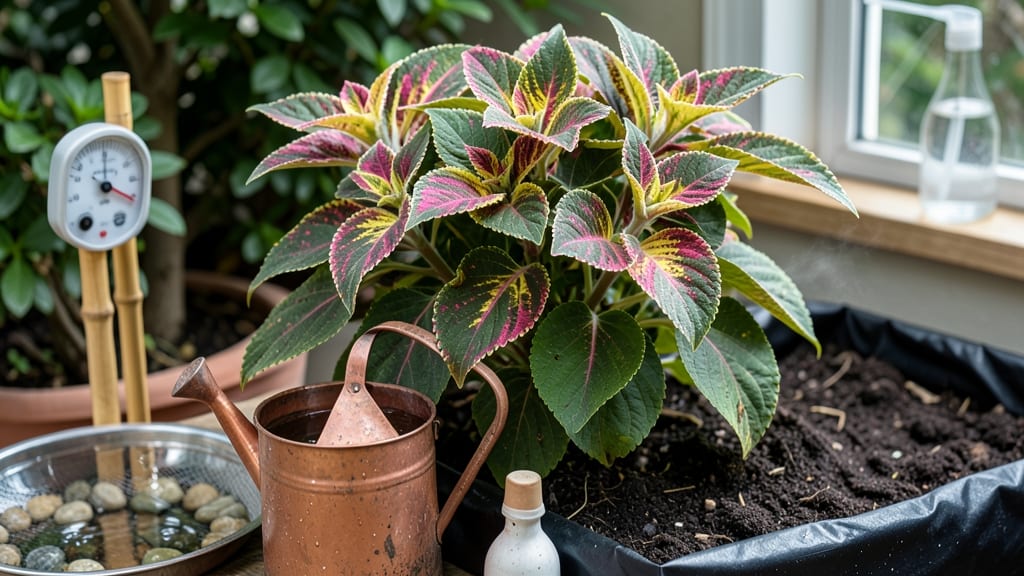
Taking care of a coleus plant is easier than you think—those vibrant leaves just need bright, indirect light and a little attention to stay looking their best. 🌿 I’ve grown coleus for years, and the secret is treating them like the low-maintenance divas they are: they thrive on neglect almost as much as they do on care.
Once you get the basics right, you’ll have foliage so bold it’ll make your garden (or windowsill) the talk of the neighborhood.
The key is keeping soil evenly moist but not soggy—think of it like a damp sponge, not a swamp. A well-draining potting mix works best, and since coleus love humidity, a quick misting or pebble tray underneath keeps them happy.
Feed them every 4-6 weeks with a balanced liquid fertilizer, and watch those leaves stay vibrant all season long. Pruning spent growth encourages bushier plants, so don’t be shy with the shears!
What you’ll end up with is a plant that’s disease-resistant, pest-free, and endlessly versatile—perfect for containers, hanging baskets, or even mixed garden beds. The foliage stays striking from spring through fall, and with a little winter care (like moving indoors), you can keep them going year-round.
It’s the kind of plant that makes gardening feel effortless.
Here’s the best part: even if you forget to water once, coleus bounce back like champions. They’re forgiving, adaptable, and impossible to kill if you follow these simple steps. Whether you’re a beginner or a seasoned gardener, coleus will reward you with color that’s impossible to ignore.
📚 In This Guide
- What you need
- Instructions
- Tips and common mistakes
- Wrapping up and next steps
What you need
- ● Coleus plant: 1 healthy plant (start with a nursery-bought or propagated cutting)
- ● Well-draining potting mix: 1 bag (look for a blend labeled for tropical plants or houseplants)
- ● Pot with drainage holes: 1 (6–12 inches in diameter, depending on plant size)
- ● Watering can or spray bottle: 1 (with a gentle spray nozzle for hydration)
- ● Scissors or pruning shears: 1 pair (sterilized to prevent disease)
- ● Fertilizer (balanced liquid or slow-release): 1 bottle (e.g., 10-10-10 or organic options like fish emulsion)
- ● Grow lights or sunny windowsill: Access to 4–6 hours of indirect light daily (south- or west-facing windows are ideal)
- ● Humidity tray or pebble tray: 1 (to boost moisture in dry air)
- ● Plant food (foliar spray): 1 bottle (for extra nutrients)
- ● Garden gloves: 1 pair (to protect hands from sap)
- ● Plant labels: 1–2 (to track varieties if growing multiple coleus types)
Step-by-Step instructions for caring for your coleus plant
Here's how I keep my coleus thriving with vibrant, colorful leaves—no green thumb required!
💧 Step 1: Master the Watering Routine
Coleus plants love moisture but hate soggy roots, so I water when the top 1-2 inches of soil feel dry. Stick your finger in the soil—if it's dry to the touch, it's time to water. I use room-temperature water and pour it slowly until it drains from the bottom of the pot. This ensures the roots get properly hydrated without waterlogging.
Overwatering is the biggest mistake I see—yellow leaves or mushy stems are red flags. If you notice these signs, let the soil dry out more between waterings. Coleus plants are forgiving, but they'll let you know when they're unhappy with droopy or crispy leaves.
☀️ Step 2: Provide Bright, Indirect Light
Coleus plants crave bright, indirect light to keep their leaves bold and colorful. I place mine near an east-facing window where they get gentle morning sun and softer afternoon light. If your coleus starts stretching toward the light with pale leaves, it needs more brightness. A sheer curtain can diffuse harsh midday sun, which can scorch the leaves.
Watch for signs of too much direct sun—brown or bleached patches on the leaves mean it's getting too intense. Rotate the pot a quarter turn weekly so all sides of the plant get even light exposure. This prevents lopsided growth and keeps those vibrant colors popping.
🌱 Step 3: Fertilize Lightly for Lush Growth
I feed my coleus every 4-6 weeks during the growing season (spring and summer) with a balanced, water-soluble fertilizer diluted to half strength. Too much fertilizer can burn the roots, so I always follow the package instructions carefully. In fall and winter, I skip fertilizing since the plant's growth slows down naturally.
You'll know you're doing it right when your coleus produces new leaves with the same rich colors and patterns. If the leaves start looking dull or the plant grows leggy, it might be time for a light feeding. Always water the plant first to avoid fertilizer burn.
✂️ Step 4: Prune for Fullness and Vibrancy
Regular pruning keeps your coleus bushy and encourages new growth. I snip off the top set of leaves whenever the stems get too leggy, using clean scissors or pruning shears. This little trick prompts the plant to branch out and fill in. I also remove any yellow or damaged leaves to keep the plant looking its best.
Here's the thing—coleus plants grow fast, so I prune mine every 2-3 weeks during the growing season. Don't worry about being too aggressive; coleus is tough and will bounce back quickly. After pruning, I give the plant a light watering to help it recover.
🪴 Step 5: Repot When Needed for Happy Roots
Coleus plants grow quickly, so they'll outgrow their pots in about 6-12 months. I repot mine in spring using a container that's 2 inches wider than the current one. I always use a well-draining potting mix to prevent root rot. Gently loosen the roots before transferring to the new pot to encourage them to spread out.
You'll know it's time to repot when you see roots growing out of the drainage holes or the soil drying out too quickly. After repotting, I water lightly and place the plant in bright, indirect light to help it adjust. Avoid fertilizing right after repotting—wait until the plant shows new growth.
Tips & tricks for perfect coleus care
These simple tricks will help your coleus stay vibrant and healthy with minimal effort—because bold foliage shouldn't require a PhD in plant science!
Soil Check Secret: The finger test in Step 1 is your best friend, but here's the thing—I use a chopstick instead of my finger. It's cleaner (no dirt under your nails!) and gives you a more precise measurement of that 1-2 inch dry zone. Pro tip: Tap the chopstick gently against the pot's edge before inserting—this helps you feel soil resistance better.
Light Rotation Hack: That weekly quarter-turn rotation in Step 2 makes all the difference for even growth. I set a phone reminder labeled "Rotate Coleus" every Sunday morning—it takes 10 seconds but prevents those lopsided plants. For extra color retention, I rotate my coleus toward the brightest window in the morning when light is most intense.
Fertilizer Timing: The 4-6 week feeding schedule in Step 3 works perfectly, but here's what nobody tells you—always fertilize after watering. I give my coleus a good soak first, then wait 15 minutes before applying fertilizer. This prevents root burn and lets the plant absorb nutrients more efficiently. In winter, I swear by a tiny bit of diluted fertilizer every 8 weeks just to keep those colors popping!
Pruning Confidence: Don't be afraid to snip those leggy stems in Step 4! I actually use kitchen shears (cleaned first!) because they're sharper than pruning shears for small jobs. After pruning, I place the cuttings in water to propagate new plants—it's like getting free coleus babies! The key is to cut just above a leaf node where new growth will emerge.
Pro Tips for Take Care Of Coleus Plant
- These simple tricks will help your coleus stay vibrant and healthy with minimal effort—because bold foliage shouldn't require a PhD in plant science!
- Soil Check Secret: The finger test in Step 1 is your best friend, but here's the thing—I use a chopstick instead of my finger.
- Light Rotation Hack: That weekly quarter-turn rotation in Step 2 makes all the difference for even growth.
Frequently asked questions
Got questions about keeping your coleus plant vibrant and healthy?
Here are some of the most common ones—plus quick, practical answers to help you troubleshoot and thrive!
How often should I water my coleus plant?
Water your coleus when the top 1–2 inches of soil feel dry to the touch. Aim for once a week in warm weather, but adjust based on humidity and light. Overwatering is a common killer—ensure pots have drainage holes to prevent root rot.
Why are my coleus leaves turning yellow or brown?
Yellowing leaves often signal overwatering, while brown edges usually mean underwatering or low humidity. Check soil moisture and adjust your watering routine. Too much direct sun can also scorch leaves—try placing your coleus in bright, indirect light instead.
What’s the best temperature range for coleus plants?
Coleus thrives in temperatures between 65–75°F (18–24°C). Avoid drafts, air conditioning vents, or freezing conditions—these plants are tropical and sensitive to cold. If you’re in a chilly climate, grow them as annuals or bring them indoors during winter.
Can I propagate coleus from cuttings? If so, how?
Snip a 3–4 inch stem, remove the lower leaves, and place it in water or moist soil. Keep it in bright, indirect light and mist occasionally. Roots should form in 2–3 weeks. Once rooted, transplant to soil and enjoy your new plant!
What pests commonly attack coleus, and how do I get rid of them?
Coleus may attract spider mites, aphids, or whiteflies. Wipe leaves with a damp cloth or spray with neem oil for mild infestations. For severe cases, isolate the plant and treat with insecticidal soap. Keep your coleus healthy to deter pests naturally!
Wrapping up and next steps
Caring for your coleus plant is all about paying attention to its vibrant needs—bright light, balanced watering, and a little TLC for its leaves. With these simple tips, you’ll keep its bold foliage thriving and add a pop of color to your space. 🌿✨
Now that you’re armed with the know-how, grab your gardening gloves and give your coleus the love it deserves! Ready to experiment? Try propagating cuttings or mixing varieties for an even more stunning display—your green thumb is about to shine even brighter.