
Planting
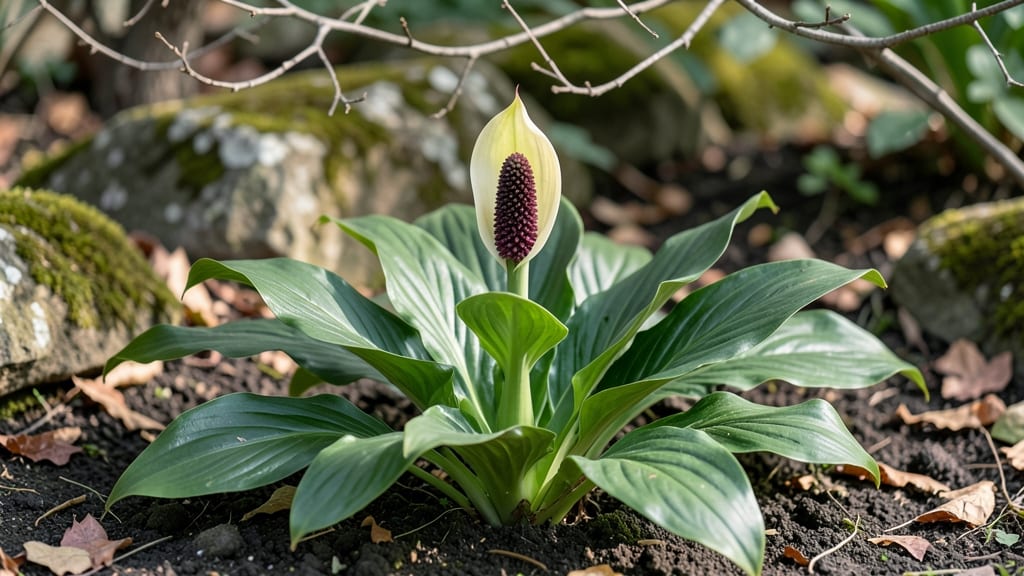
Growing the Arum cornutum plant means year-round drama in your shady spots—those bold, velvety leaves and its signature "horned" spadix make it a standout. 🌿 I’ve grown mine for three seasons now, and it’s become the centerpiece of my woodland garden, thriving where nothing else will.
This plant loves dappled shade and rich, moist soil—think forest floor conditions. It’s not fussy about humidity, but a little extra in dry climates keeps those leaves lush. The real magic happens in late winter when it pushes up fresh foliage while most plants are still dormant.
Once established, it’s nearly foolproof—water when the top inch of soil dries, and fertilize lightly in spring. The only challenge? Keeping it from spreading too much if you’re not careful about dividing clumps every few years.
Perfect for shade gardens, patios, or even as a striking houseplant. Let’s get yours growing!
📚 In This Guide
- What you need
- Instructions
- Tips and common mistakes
- Wrapping up and next steps
What you need
- ● Arum cornutum tubers: 3–5 healthy tubers (size: 2–3 inches in diameter). Pro tip: 💡 Choose firm, blemish-free tubers for the best growth!
- ● Well-draining potting mix: 1–2 bags (1–2 cubic feet each) of a blend designed for tropical plants or add perlite/vermiculite (20–30% by volume) to regular soil.
- ○ Containers (optional for potted plants): 1–2 glazed ceramic or fabric pots (12–16 inches in diameter) with drainage holes.
- ● OR a raised garden bed (minimum 12 inches deep) for in-ground planting.
- ● Organic mulch: 2–3 inches of shredded bark, pine needles, or leaf mold to retain moisture and regulate temperature.
- ● Garden trowel or transplant spade (for digging and planting).
- ● Gloves (to protect hands from Arum cornutum’s mild skin irritants).
- ● Watering can or hose with a gentle spray nozzle (avoid over-saturating the tubers).
- ○ Balanced liquid fertilizer (e.g., 10-10-10 or 20-20-20, diluted to half-strength). Optional but recommended: 🌡️ Use every 4–6 weeks during the growing season.
- ○ Shade cloth (30–50%) Optional: If your garden gets intense afternoon sun, use this to protect young plants.
- ● Location with: Partial to full shade (dappled sunlight is ideal).
- ● Humidity levels above 50% (or a humidifier for indoor setups).
- ● Protection from strong winds (this plant prefers still, sheltered spots).
Step-by-Step instructions for planting and caring for arum cornutum
This striking shade lover thrives with minimal fuss—here’s how to establish it for dramatic year-round impact.
🌱 Step 1: Select the Perfect Planting Site
Arum cornutum demands partial to full shade—think dappled light or filtered sunlight. I always plant mine where they’ll receive morning sun and afternoon shade, which prevents leaf scorch while keeping foliage vibrant. Avoid spots where afternoon sun beats down directly; the velvety leaves will yellow and crisp if exposed too long.
Check soil moisture before planting—this plant hates soggy roots but won’t tolerate drought either. Press your finger 1 inch into the soil; if it feels dry, you’ve found the right spot. Amend heavy clay with 2-3 inches of compost mixed into the top 8-10 inches of soil to improve drainage while retaining moisture.
🪴 Step 2: Plant at the Right Depth and Spacing
Dig a hole twice as wide as the root ball but only as deep—never deeper—than the container’s base. Arum cornutum’s rhizomes (thick, horizontal roots) need to sit just below soil level, not buried. Gently tease apart any circling roots to encourage outward growth.
Space plants 12-18 inches apart—closer spacing makes them compete for nutrients, while wider gaps lets their bold foliage shine. Backfill with native soil mixed with 1 part compost, pressing lightly to eliminate air pockets. Water deeply right after planting to settle the soil and encourage root contact.
💧 Step 3: Water Consistently for Establishment
Keep the soil evenly moist but never soggy for the first 4-6 weeks after planting. I water mine every 2-3 days until new growth appears, then taper to once weekly in stable weather. The key is deep watering—soak the soil until water drains 2 inches down, then let the top inch dry slightly before watering again.
Yellowing leaves usually mean overwatering, while crispy edges signal underwatering. Mulch with 2 inches of shredded bark around the base (but not touching the crown) to retain moisture and regulate soil temperature. This step is critical—arum cornutum’s rhizomes rot quickly in waterlogged conditions.
☀️ Step 4: Feed and Maintain for Year-Round Drama
Apply a balanced, slow-release fertilizer (10-10-10) in early spring, using half the recommended rate. Too much nitrogen makes leaves soft and prone to damage. I skip summer feeding entirely—arum cornutum stores nutrients in its rhizomes and doesn’t need frequent top-ups.
Divide clumps every 3-4 years in early spring when new shoots appear. Dig up the rhizomes, separate into 3-5 inch sections with at least one growth bud per piece, and replant immediately. This rejuvenates the plant and gives you free propagation material—just what I call a win-win.
✂️ Step 5: Prune and Protect for Long-Term Health
Cut back any damaged or yellowing leaves in late winter to make way for fresh growth. Never remove more than one-third of the foliage at once—this plant relies on its leaves for photosynthesis year-round. I also snip off any flower stalks (if they appear) before they form berries, as they divert energy from foliage production.
Watch for scale insects on the undersides of leaves—wipe them off with a damp cloth or treat with neem oil if they spread. In colder climates, mulch heavily in winter to protect rhizomes from freezing. With proper care, arum cornutum will reward you with bold, architectural foliage that outshines most shade plants.
Tips & tricks for perfect arum cornutum planting
These practical insights will help you avoid common pitfalls and maximize your arum cornutum's dramatic potential.
Lighting Strategy: Pay special attention to Step 1's morning sun/afternoon shade recommendation. I've found that east-facing windows or the north side of buildings provide ideal dappled light. If you're planting in containers, rotate them every few weeks to ensure even light exposure—this prevents lopsided growth where leaves stretch toward the light source.
Rhizome Placement: In Step 2, the "just below soil level" instruction is critical for preventing rot. I always do a quick visual check by placing the root ball in the hole and ensuring the top of the rhizome sits at ground level. If you bury it too deep, you risk suffocating the plant, while planting too shallow can expose rhizomes to temperature extremes.
Watering Wisdom: The 4-6 week establishment period in Step 3 is your best chance to establish strong roots. I use a moisture meter during this time to verify soil moisture—aim for 40-50% moisture content. The "deep watering" technique should saturate the soil to 2 inches down, but remember that arum cornutum's rhizomes are sensitive to waterlogging, so always allow the top inch to dry slightly between waterings.
Seasonal Maintenance: For Step 4's division schedule, mark your calendar for early spring when new shoots appear—this is your cue to divide. I've found that dividing every 3-4 years prevents overcrowding while maintaining vigor. When separating rhizome sections, always include at least one growth bud per piece to ensure successful regrowth.
Pro Tips for Arum Cornutum Plant
- These practical insights will help you avoid common pitfalls and maximize your arum cornutum's dramatic potential.
- Lighting Strategy: Pay special attention to Step 1's morning sun/afternoon shade recommendation.
- Rhizome Placement: In Step 2, the "just below soil level" instruction is critical for preventing rot.
Frequently asked questions
Got questions about growing and caring for Arum cornutum?
You’re not alone—this striking plant is full of surprises! Here are answers to the most common queries to help you nurture your shade garden star with confidence.
Is Arum cornutum easy to grow for beginners?
Arum cornutum is a moderately easy plant for beginners, but it does have a few quirks. It thrives in shady, moist conditions and tolerates some neglect, but it’s sensitive to drought and direct sun. Start with well-draining soil, consistent moisture, and patience—its bold foliage is worth the effort!
How long does it take for Arum cornutum to mature and bloom?
This plant grows at a moderate pace. You’ll see significant foliage growth within 1-2 years, but blooms (if they appear) may take 3-5 years in ideal conditions. Focus on leaf health first—its dramatic foliage is the real showstopper!
Why are the leaves turning yellow or brown?
Yellowing or browning leaves usually signal overwatering, underwatering, or poor drainage. Check the soil—it should stay moist but not soggy. If the roots are rotting, trim affected areas and repot in well-draining mix. Arum cornutum also dislikes direct sun, so relocate it to deeper shade if leaves scorch.
Can I grow Arum cornutum indoors?
Yes! It’s a great indoor plant for bright, indirect light (like near a north or east-facing window). Keep the soil consistently moist and humidity levels high—a pebble tray or humidifier helps. Just avoid drafts, and it’ll thrive as a low-maintenance houseplant.
What are some great alternatives if Arum cornutum is hard to find?
If you’re struggling to locate Arum cornutum, try these shade-loving foliage plants with similar drama:
- Alocasia (elephant ear) – Bold, glossy leaves
- Philodendron ‘Hope’ – Easy-care, heart-shaped leaves
- Caladium – Stunning patterned foliage
- Zantedeschia aethiopica (calla lily) – Elegant, arrow-shaped leaves
Is Arum cornutum toxic to pets or humans?
Yes, this plant is toxic if ingested due to calcium oxalate crystals. Keep it out of reach of cats, dogs, and curious kids—contact with sap can cause mouth irritation or vomiting. Wear gloves when handling, and wash hands after pruning!
Wrapping up and next steps
The Arum cornutum is a stunning, low-maintenance plant that brings drama and texture to shady gardens year-round. With its bold, arrow-shaped leaves and striking red berries, it’s a versatile choice for adding visual interest without fuss.
Whether you’re a seasoned gardener or just starting, this plant is a game-changer for shade lovers!
Ready to transform your garden? Start small—plant one or two in a shaded spot and watch it thrive. Need more inspiration? Explore companion plants or design ideas to create a lush, evergreen oasis! 🌿✨