
Planting
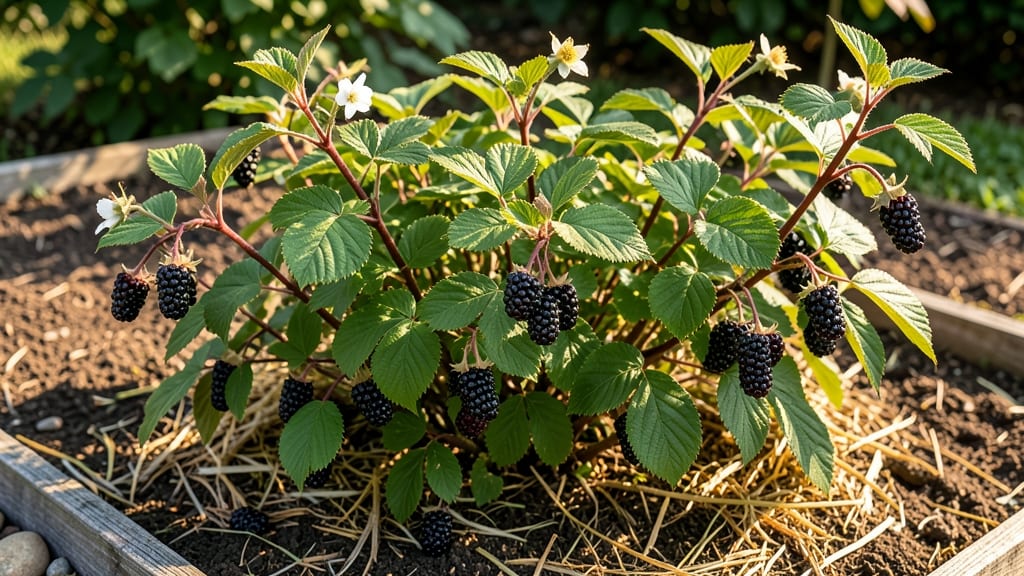
Transform your garden into a thornless, high-yield sweet spot with the Stark Black Gem blackberry plant. 🌿 This variety’s glossy foliage and massive fruit clusters make it a standout—plus, it produces two harvests a year with the right care.
I’ve grown mine for three seasons, and the difference between store-bought berries and these homegrown giants is night and day.
The secret starts with well-draining soil rich in organic matter—think compost mixed into the top 12 inches of bed. Stark Black Gem thrives in full sun (6+ hours daily) and needs a sturdy trellis or fence to support its vigorous vines.
Plant in early spring when soil warms to 50°F, spacing canes 4–5 feet apart for airflow and disease prevention.
By summer, you’ll see lush canes bursting with fruit, and with proper pruning (cutting back old canes in late winter), each plant yields 10+ pounds of berries. The sweet-tart flavor stays consistent from June through August, with a second flush in fall if you live in warmer zones.
Pests are minimal—just watch for spider mites and birds—but netting solves both.
Harvest when berries darken to deep black and pull away slightly from the cane. Store them in the fridge for up to a week, or freeze for smoothies.
My plants now spread across a 10-foot fence, and neighbors keep asking for cuttings. Here’s how to get started without the common pitfalls!
📚 In This Guide
- What you need
- Instructions
- Tips and common mistakes
- Wrapping up and next steps
What you need
- ● Stark Black Gem blackberry plants: 1-2 dormant canes (bare-root) or potted plants (ensure they’re disease-free).
- ● Planting site: Full sun (6+ hours/day) in USDA Zones 5-9.
- ● Well-draining soil with a pH of 5.5–6.5 (amend with compost or peat moss if needed).
- ● Soil amendments: 5–10 lbs of compost or aged manure per plant.
- ● 1 cup of balanced fertilizer (10-10-10) or blackberry-specific fertilizer.
- ● Support system: For trellis: T-posts (4–6 ft tall) + woven wire or nylon mesh (3–4 ft wide).
- ● For containers: Large pots (15+ gallons) with drainage holes + sturdy stakes.
- ● Mulch: 2–3 inches of straw or wood chips (to retain moisture and suppress weeds).
- ● Pruners: Sharp, sterilized bypass pruners (for trimming canes).
- ● Watering supplies: Hose with nozzle or drip irrigation system.
- ● Epsom salt: 1 tbsp per plant (for magnesium boost, especially in sandy soil).
- ● Blackberry plant food: Slow-release granules for mid-season feeding.
- ● Row cover: Frost cloth (to extend the growing season in cooler climates).
- ● Gloves & knee pads: For comfortable planting and maintenance.
How to plant and care for Stark Black Gem blackberry plants
This thornless blackberry variety thrives with the right site and seasonal attention.
🪴 Step 1: Choose the Perfect Planting Location
Stark Black Gem blackberries need full sun—at least 6-8 hours daily—and well-draining soil. I always pick a spot with southern or western exposure where the plants won’t compete with tree roots. The soil should be slightly acidic (pH 5.5-6.5), so test it before planting. If your soil is heavy clay, mix in 2-3 inches of compost to improve drainage.
This variety is thornless, so you can plant near walking paths or seating areas without worrying about prickers. Just keep it 10-12 feet away from fences or walls—blackberries spread aggressively through underground runners. Mark the planting area with stakes to visualize the mature size.
🌱 Step 2: Plant Bare-Root or Container-Grown Plants Correctly
For bare-root plants, soak the roots in lukewarm water for 1-2 hours before planting to revive them. Dig a trench 2-3 feet wide and 12 inches deep—wide enough to spread the roots horizontally. If planting container-grown plants, dig a hole twice as wide as the root ball and the same depth.
Place the plant so the crown (where roots meet stems) sits just above soil level—burying it too deep causes rot. Space plants 4-5 feet apart in rows 8-10 feet apart to allow airflow and easy harvesting. Backfill with soil, firming gently around the roots to eliminate air pockets. Water deeply to settle the soil.
☀️ Step 3: Water and Mulch for Strong Establishment
Keep the soil consistently moist (not soggy) for the first 4-6 weeks after planting. Water at the base, not overhead, to prevent fungal diseases. You’ll know it’s right when the top 2 inches of soil feel damp but not waterlogged. Drip irrigation works best—avoid sprinklers that wet the leaves.
Apply 3-4 inches of mulch (wood chips or straw) around the base, keeping it 6 inches away from the crown. Mulch conserves moisture, suppresses weeds, and regulates soil temperature. Replenish mulch annually in late winter—this variety produces two harvests per year, so consistent care pays off.
✂️ Step 4: Prune for Maximum Yield and Disease Prevention
Prune in late winter or early spring before new growth starts. Remove dead, diseased, or weak canes first—cut them at the base. Then, select 6-8 of the strongest canes (primocanes) to keep; the rest can be removed to focus energy. This variety is floricaneless, meaning it flowers on second-year canes (floricanes), so pruning encourages bigger harvests.
In summer, after harvest, cut back any overgrown or crossing canes to improve airflow. Thin out crowded canes to 4-5 per plant to prevent shading. I always sterilize pruners with rubbing alcohol between cuts to avoid spreading disease—blackberries are prone to anthracnose and rust, so cleanliness matters.
🍇 Step 5: Harvest and Maintain for Year-Round Productivity
Stark Black Gem blackberries ripen in two flushes: early summer on primocanes and late summer/fall on floricanes. Harvest when berries are deep black and plump, usually in June-July and August-September. Pick every 2-3 days to encourage more production—overripe berries attract birds and pests.
After harvest, fertilize lightly with 10-10-10 balanced fertilizer in early spring and again after the first harvest. This variety is self-fertile, but a light feeding keeps it vigorous. In fall, cut back old canes to the ground and prune any suckers growing beyond the planting area to keep the patch tidy and productive.
Tips & tricks for perfect Stark Black Gem blackberry plant care
These simple tricks will help you grow a thriving Stark Black Gem blackberry patch with minimal fuss.
Sunlight Strategy: While the instructions call for 6-8 hours of daily sun, I've found that early morning sun (6-9 AM) paired with afternoon shade (after 3 PM) works surprisingly well in hot climates. This prevents leaf scorch while still giving your plants enough energy for strong growth. Just avoid deep shade—those berries won't ripen properly.
Root Revival Technique: That 1-2 hour soak for bare-root plants is crucial, but don't skip the lukewarm water requirement. Cold water shocks the roots, while hot water can damage them. I like to use water that's about the same temperature as bathwater—around 90°F. You'll notice the roots become pliable and ready for planting after this treatment.
Pruning Pro Tip: When pruning in late winter, look for canes that are hollow or have brown centers—these are dead and should be removed completely. For the 6-8 strongest canes you're keeping, make your cuts at a 45-degree angle about 1/4 inch above a bud. This encourages better regrowth and stronger canes for next season's harvest.
Harvest Hack: The 2-3 day harvest window is perfect, but I've found that picking in the early morning (before 8 AM) gives you the sweetest berries. The sugars concentrate overnight, and the berries stay cooler. Plus, you'll avoid the afternoon heat that can make berries soft and mushy. Store them in the fridge for up to 5 days to maintain freshness.
Pro Tips for Stark Black Gem Blackberry Plant
- These simple tricks will help you grow a thriving Stark Black Gem blackberry patch with minimal fuss.
- Sunlight Strategy: While the instructions call for 6-8 hours of daily sun, I've found that early morning sun (6-9 AM) paired with afternoon shade (after 3 PM) works surprisingly well in hot climates.
- Root Revival Technique: That 1-2 hour soak for bare-root plants is crucial, but don't skip the lukewarm water requirement.
Frequently asked questions
Got questions about growing Stark Black Gem blackberries? You’re not alone! This thornless, high-yielding variety is a favorite, but it does have some quirks. Below, we’ve rounded up the most common questions—plus expert tips to keep your plants thriving and your harvests bountiful.
How long does it take for Stark Black Gem blackberries to produce fruit?
Patience is key! With proper care, Stark Black Gem blackberries typically start producing fruit 1–2 years after planting. The first year is mostly about establishing roots, while the second year often yields a modest harvest. By the third year, expect a full, abundant crop—just be ready for a big yield! For faster results, choose established plants (1–2 years old) from nurseries.
Can Stark Black Gem blackberries survive harsh winters?
These berries are hardy to USDA Zones 5–9, but winter protection is crucial in colder climates. Use mulch (straw or pine needles, 4–6 inches deep) to insulate roots and train canes onto a trellis to prevent snow damage. In Zone 5 or colder, consider row covers or even a small hoop house for extra warmth. Prune dead canes in early spring—never in winter, as it can invite pests!
Are Stark Black Gem blackberries thornless? Do they need special handling?
Yes! This variety is thornless, making it a dream for gardeners with kids or pets. However, the canes can still be stiff—wear gloves when pruning or harvesting to avoid scrapes. For picking, use sharp scissors to snip clusters cleanly, leaving a tiny stem. Pro tip: Harvest in the morning when berries are coolest and juiciest!
Why aren’t my Stark Black Gem blackberries ripening evenly?
Uneven ripening often stems from inconsistent pollination, uneven sunlight, or overcrowded canes. To fix it:
- Check pollinators: Plant nearby flowers (like marigolds or lavender) to attract bees.
- Prune aggressively: Remove weak or crossing canes to improve airflow and sunlight.
- Adjust watering: Drought stress can delay ripening—keep soil consistently moist but not soggy.
- Fertilize mid-season: A balanced 10-10-10 fertilizer boosts fruit development.
What’s the best alternative if Stark Black Gem isn’t available?
If you can’t find Stark Black Gem, try these thornless, high-yielding blackberry varieties:
Variety
Key Traits
Zone Hardiness
Natchez
Sweet, large berries; primocane-fruiting (produces on new + old canes)
5–9
Ouachita
Disease-resistant; early season harvest
5–10
Arapaho
Cold-hardy; tolerates poor soil better than Stark Black Gem
4–9
Wrapping up and next steps
The Stark Black Gem blackberry plant is a stunning addition to any garden, offering year-round beauty and delicious fruit. Its bold, glossy foliage and sweet berries make it a standout choice for both aesthetics and harvests.
Whether you're a seasoned gardener or just starting out, this versatile plant is sure to impress!
Ready to grow your own? Start by gathering your supplies and follow the steps outlined in our guide. With a little patience and care, you’ll soon be enjoying the rich, velvety blackberries and lush foliage this gem has to offer. Happy planting! 🌱✨