
Planting
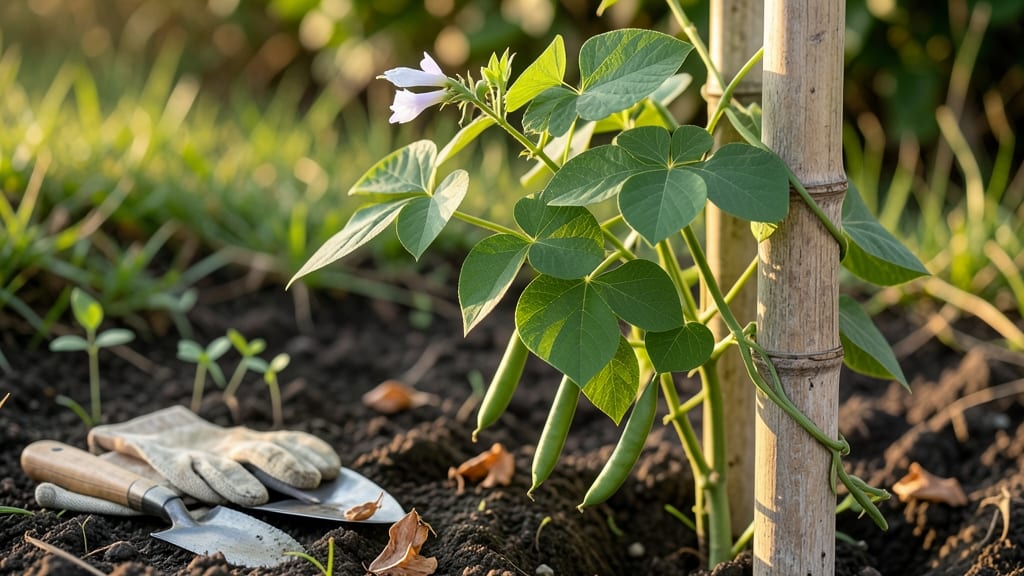
This bean plant experiment will turn your balcony into a bold foliage show without a single snip. 🌿 I learned the hard way that beans aren’t just for pods—their leaves are the real stars, and with the right varieties, they’ll grow lush and dramatic in containers all season long.
Start with pole beans like ‘Kentucky Blue’ or ‘Scarlet Runner’—they climb, they shade, and they produce shockingly vibrant leaves even when you ignore the pods. The secret? A 5-gallon container with well-draining soil, a trellis (or even a sturdy stick), and consistent moisture—never soggy, never dry.
You’ll see the first true leaves in 10-14 days, and by 6 weeks, your plants will be a living curtain of deep green and burgundy. Track growth by marking stems with a pencil—kids love this part—and watch how different varieties respond to sunlight and water.
No pruning needed, just harvest the leaves for salads or let them grow wild for texture. Troubleshoot yellow leaves by checking water (too much = rot; too little = stress), and watch for aphids—spray with soapy water if they appear.
This experiment proves beans aren’t just food; they’re living art.
📚 In This Guide
- What you need
- Instructions
- Tips and common mistakes
- Wrapping up and next steps
What you need
- ● Bean seeds: 10–15 dwarf bush beans (e.g., 'Blue Lake' or 'Contender') or pole beans (e.g., 'Kentucky Wonder'). Choose heirloom or organic for best results!
- ● Containers: 5–10 5–7 gallon pots (or 1 large trough for pole beans) with drainage holes. Terracotta or fabric pots work best!
- ● Potting mix: 5–10 gallons of well-draining, organic-rich soil (e.g., 60% garden soil + 40% compost). Avoid heavy clay mixes!
- ● Fertilizer: 1 lb of balanced organic fertilizer (10-10-10) or compost tea for a nutrient boost.
- ● Watering can: 1–2 gallon capacity with a rose attachment for gentle watering.
- ○ Support structures (optional): For pole beans: 6–8 ft trellis, bamboo stakes, or A-frame cage.
- ● For bush beans: Sturdy mesh or wire cages (4–6 inches tall) to prevent sprawling.
- ● Hand trowel (for planting and soil adjustments).
- ● Spray bottle (to mist seedlings and maintain humidity).
- ● Measuring cup (for precise watering and fertilizer mixing).
- ● Garden gloves (to keep hands clean and protect from thorns).
- ○ Pruning shears (optional): Only if you accidentally need to trim stray vines!
- ○ Sunlight tracker (optional): A light meter or app to monitor 6–8 hours of direct sun daily.
- ● A sunny spot (south-facing window, balcony, or patio).
- ● Access to water (beans need consistent moisture!).
- ● Patience! Beans take 50–60 days to mature—watch the foliage transform!
Step-by-step instructions for growing dramatic foliage beans in containers
Here's how to cultivate bold, lush bean plants that thrive in containers—no pruning required.
🌱 Step 1: Select the Right Bean Variety and Container
Choose a pole bean variety like 'Kentucky Wonder' or 'Scarlet Runner' for their vigorous growth and striking foliage. These varieties naturally climb, creating a dramatic vertical display without needing staking. Select a 5-gallon container with drainage holes—beans despise soggy roots, and a larger pot ensures stable moisture levels.
Fill the bottom of the container with 2-3 inches of coarse gravel for drainage. This prevents waterlogging while allowing roots to spread freely. I like to use a lightweight potting mix (not garden soil) to keep the container manageable. The mix should be loose enough that you can crumble it with your fingers without compacting it.
💧 Step 2: Plant Seeds at the Correct Depth and Water Gently
Plant 2-3 seeds per container at a depth of 1 inch, spacing them 2 inches apart. Sowing too deep delays germination, while planting too shallow risks drying out the seeds. Cover the seeds lightly with soil and water gently until the surface feels damp but not saturated—you should see moisture beads without puddles.
Place the container in a warm, sunny spot (65-75°F) to encourage germination. A seedling heat mat speeds this up, but even without one, expect sprouts in 7-10 days. Avoid overwatering during this phase—beans rot quickly in damp soil. Once the first true leaves appear, thin to the strongest seedling to avoid competition.
☀️ Step 3: Provide Support and Maximize Sunlight Early
As soon as seedlings reach 4 inches tall, insert a 5-foot bamboo stake or trellis into the container. Gently weave the main stem around the support—beans naturally twine, so no tying is needed. Place the container in full sun (6+ hours daily) immediately. Leggy growth means your plants are stretching for light; if this happens, move them closer to the window or under a grow light.
Water deeply every 2-3 days when the top inch of soil feels dry. Beans are drought-tolerant but produce best with consistent moisture. I like to water in the morning so foliage dries quickly, reducing fungal risks. Watch for yellowing leaves—this often signals overwatering, not thirst.
🌿 Step 4: Feed and Encourage Vertical Growth Without Pruning
When plants hit 12 inches tall, apply a balanced liquid fertilizer (10-10-10) at half-strength. This boosts foliage drama without overwhelming the plant. Beans fix nitrogen in the soil, but a mid-season feed ensures vibrant leaves. I fertilize every 3 weeks during active growth, always watering before and after to prevent root burn.
Let the vines climb freely—no pruning is needed for bold foliage. Instead, focus on harvesting flowers to encourage bushier growth. Pinch off the first few blossoms to redirect energy into leaf production. You’ll notice larger, deeper green leaves within weeks as the plant prioritizes foliage over pods.
⏰ Step 5: Maintain Through Harvest for Continuous Drama
Continue watering deeply 2-3 times weekly, adjusting for heat. In hot climates, mulch the soil surface with 1 inch of straw to retain moisture. Beans wilt quickly in dry conditions, but they bounce back fast with proper hydration. Harvest young leaves or pods regularly to stimulate new growth—this keeps the plant producing lush foliage all season.
The key to drama is patience. By mid-summer, your container will be a vertical masterpiece of glossy, deep-green leaves and cascading vines. If leaves yellow, check for aphids (common on beans) and spray with neem oil if needed. With minimal effort, you’ll have a striking, low-maintenance display that outperforms pruned alternatives.
Tips & tricks for growing striking container beans
These simple strategies will help you transform ordinary bean plants into a bold, vertical garden statement.
Container Selection: While a 5-gallon container works perfectly, opt for a slightly wider pot (like a 7-gallon) if you're growing multiple plants together. Wider containers prevent overcrowding and allow roots to spread more naturally. Just ensure the extra width doesn't compromise drainage—those drainage holes are non-negotiable for happy beans.
Germination Boost: To speed up those 7-10 days to germination, soak your seeds overnight in warm water before planting. This jumpstarts the process, especially in cooler conditions. I've seen sprouts appear in just 4-5 days when using this trick. Just make sure to plant them immediately after soaking—don't let them dry out.
Sunlight Strategy: If you're limited on full sun space, consider using a grow light for 12-14 hours daily during the early growth stages. This mimics summer sunlight and prevents that dreaded leggy growth. Position the light 6-12 inches above the plants and adjust as they grow. The goal is to keep stems sturdy and leaves vibrant from the start.
Fertilizer Timing: That first 12-inch growth phase is crucial for establishing strong stems. When you apply your half-strength 10-10-10 fertilizer, follow up with a second feeding exactly 3 weeks later. This two-step approach ensures your plants have the nutrients they need to develop that dramatic foliage without overwhelming them too early in the game.
Pro Tips for Bean Plant Experiment
- These simple strategies will help you transform ordinary bean plants into a bold, vertical garden statement.
- Container Selection: While a 5-gallon container works perfectly, opt for a slightly wider pot (like a 7-gallon) if you're growing multiple plants together.
- Germination Boost: To speed up those 7-10 days to germination, soak your seeds overnight in warm water before planting.
Frequently asked questions
Got questions about your bean plant experiment?
You’re not alone! Here are some of the most common queries—and their easy, no-fuss answers—to help you grow bold, dramatic foliage without the pruning hassle.
How long does it take for bean plants to grow tall enough for a "bold foliage" effect?
Most bean varieties (like pole beans or runner beans) reach 4–6 feet tall in 6–8 weeks with proper care. For dramatic vertical drama, aim for at least 8–10 weeks—patience pays off with lush, cascading vines! Monitor growth weekly and adjust sunlight/water as needed.
Can I start this experiment indoors before moving plants outside?
Start seeds indoors 2–3 weeks before your last frost in biodegradable pots or soil blocks. Keep them in a sunny window or under grow lights (12+ hours/day). Once seedlings have 2–3 true leaves and soil temps hit 60°F+, transplant outside for faster, stronger growth.
Why are my bean leaves turning yellow or curling? Troubleshooting tips?
Yellow leaves often mean overwatering (check soil moisture—it should be damp, not soggy) or nutrient deficiency (add compost or a balanced fertilizer). Curling? Likely underwatering or heat stress—mulch soil to retain moisture and provide afternoon shade if temps exceed 85°F. Pests (like aphids) can also cause curling—spray with soapy water if needed.
What’s a good alternative if I don’t have pole beans?
No problem! Try these fast-growing, dramatic vines:
- Lima beans – Compact but productive, great for containers.
- Morning glories – Add floral drama (but may need trellis support).
- Sweet peas – Fragrant and vigorous, perfect for vertical gardens.
- Cucumbers (bush varieties) – Quick growers with lush foliage.
How often should I fertilize bean plants for the best results?
Beans are light feeders—overdoing fertilizer can hurt them! Use a balanced 10-10-10 or compost tea every 3–4 weeks after germination. For organic options, mix in aged compost or worm castings at planting and mid-season. Pro tip: Too much nitrogen = leafy growth, fewer beans—so go easy!
Wrapping up and next steps
Your bean plant experiment isn’t just about growing greens—it’s a hands-on lesson in patience, creativity, and nature’s magic! 🌱 By mastering container gardening without pruning, you’ve proven that bold foliage thrives with the right care, space, and a little experimentation.
Whether you’re a beginner or a seasoned gardener, this project shows how simple adjustments (like sunlight, soil, and companions) can yield dramatic results.
Now that you’ve got the basics down, take the next step! Try swapping out your bean variety, experimenting with vertical gardening, or even sharing your tips with fellow plant lovers. Your green thumb is just getting started—what will you grow next? 🌟