
Planting
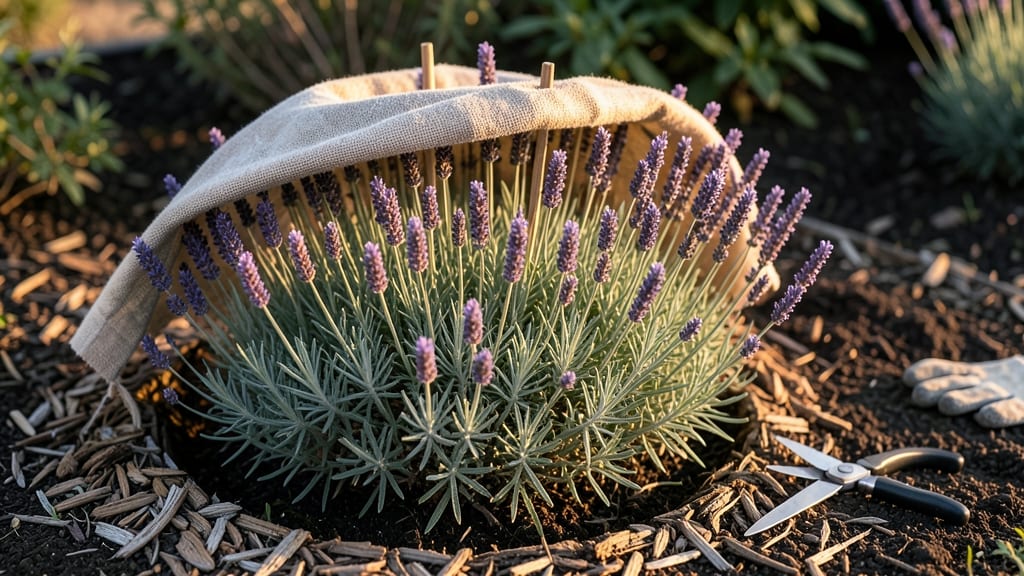
How to take care of a lavender plant in winter isn’t just about survival—it’s about setting up next summer’s fragrance explosion. 🌿 I’ve learned the hard way that skipping these steps means woody stems and sparse blooms, but doing it right guarantees a bush that smells like Provence by July. The secret lies in two simple moves: strategic pruning and protective mulching, both timed perfectly to outsmart frost.
First, trim back one-third of the previous year’s growth right after the first hard frost—this prevents dieback and encourages fresh, fragrant new shoots. Then, mound 3-4 inches of straw or pine needles around the base, leaving the center open to avoid rot.
Lavender hates soggy roots, so we’re creating a dry, insulating blanket that mimics its Mediterranean homeland. The result? Roots stay warm without overheating, and the plant wakes up strong in spring.
Watering becomes an afterthought in winter—just enough to keep the soil from drying out completely. Overwatering is the #1 killer of winterized lavender, so check moisture by hand before adding more.
By March, you’ll see tight, velvety buds forming where last year’s stems were cut back, proof that your winter prep worked. The fragrance alone makes the effort worth it.
This method works for USDA zones 5-9, but Mediterranean climates need even less intervention—just a light trim and minimal mulch. Whether you’re in a cold snap or a mild winter, these steps keep your lavender thriving for years.
Here’s how to do it without a single dead stem in sight.
📚 In This Guide
- What you need
- Instructions
- Tips and common mistakes
- Wrapping up and next steps
What you need
- ● Pruning shears or sharp bypass pruners – 1 pair (sterilized with rubbing alcohol to prevent disease). Look for bypass-style for clean cuts.
- ● Garden gloves – 1 pair (nitrile or leather for durability; choose water-resistant if working in damp conditions).
- ● Organic mulch – 2–3 inches (pine straw, straw, or shredded leaves; avoid wood chips—they retain too much moisture).
- ● Garden fork or trowel – 1 (for gently aerating soil around roots before mulching).
- ● Watering can with a fine rose nozzle – 1 (for light hydration if your lavender is in containers).
- ● Burlap or frost cloth – 1–2 pieces (if temperatures drop below 15°F (-9°C); choose breathable fabric, not plastic).
- ● Slow-release fertilizer (low-nitrogen, like 5-10-10; 1 tbsp per plant) for spring prep.
- ● Plant stakes or coppers to mark pruned areas (prevents over-trimming next season).
- ● Thermometer (soil or air) to monitor winter lows—lavender prefers dry, cold but not soggy.
- ● Compost or aged manure (1 cup per plant) for spring soil enrichment.
Step-by-step guide to winterizing your lavender plants
Here’s how I protect my lavender through harsh winters—no fancy tools, just smart prep.
🌿 Step 1: Prune Back for Winter Resilience
Cut back your lavender by one-third of its height using clean, sharp shears. I do this in late fall, just before the first hard frost. This prevents the plant from putting energy into new growth that won’t survive winter. Focus on removing any dead or damaged stems first—they’ll only invite pests or disease.
Never trim into old wood (the woody base of the plant). Lavender grows from the base, and cutting too low removes next year’s blooms. If your plant is leggy, shape it lightly, but avoid heavy pruning—this plant needs its energy stored for spring.
✂️ Step 2: Thin Out Crowded Foliage
Look for stems growing too close together or crossing over each other. These compete for sunlight and air circulation, which is crucial in winter. Use your shears to remove any stems touching neighboring branches—this keeps air flowing and reduces rot risk.
If your lavender has grown too wide, this is the time to trim back the outer stems by half their length. I like to step back and look at the plant as a whole—imagine a rounded dome shape. That’s the natural form lavender thrives in, and it’s easier to protect in winter.
🪴 Step 3: Apply a Thick Mulch Layer
Spread 3-4 inches of coarse mulch (like pine straw or wood chips) around the base of the plant, but keep it 2-3 inches away from the stem. This prevents moisture buildup right against the plant, which can cause rot. I use what I have—even fallen leaves work, but avoid anything that compacts into a mat.
Mulching insulates the roots from freezing temperatures. Lavender roots are shallow, so this layer acts like a blanket, keeping them just warm enough to survive. If you’re in a Zone 5 or colder, add an extra inch of mulch for extra protection.
☀️ Step 4: Protect from Heavy Moisture and Wind
Lavender hates soggy roots in winter. If your area gets heavy rain or snow, mound extra mulch around the base to create a slightly elevated barrier. This keeps water from pooling and rotting the roots. I also avoid watering in late fall—let the plant go dormant naturally.
If you’re in a windy area, consider wrapping the plant loosely with burlap or frost cloth for the harshest months. Secure it lightly so it doesn’t restrict growth. The goal is to shield the plant from drying winds, not smother it. Remove the wrap in early spring before new growth starts.
⏰ Step 5: Monitor and Adjust Through Winter
Check your lavender once a month during winter to ensure the mulch hasn’t shifted or compacted. If it looks flattened, fluff it up gently with your hands. Avoid disturbing the plant more than necessary—each time you move the mulch, you risk exposing roots to cold.
If you notice brown, mushy stems in spring, that’s a sign of rot from too much moisture. In that case, trim those stems back immediately and adjust your mulching for next winter. Healthy lavender should look dormant but firm, not soft or squishy.
Tips & tricks for perfect winter lavender care
These simple strategies will help your lavender survive—and even thrive—through the coldest months.
Timing is Everything: Late fall pruning right before the first hard frost is crucial. I check my local frost date and schedule pruning for 2-3 weeks before that date. This timing gives your lavender just enough time to harden off before winter sets in. If you miss this window, wait until spring to prune—never trim in winter when the plant is dormant.
The Pruning Precision: When cutting back by one-third, I always use a sharp pair of shears and make clean cuts at a 45-degree angle just above a leaf node. This prevents tearing and encourages healthy regrowth in spring. Avoid cutting into old wood—the woody base stores energy for next year's blooms, so preserve that growth zone.
Mulch Like a Pro: That 3-4 inch mulch layer isn't just decoration—it's insulation. I like to use pine straw because it's lightweight and allows moisture to drain, but wood chips work too. The key is keeping it 2-3 inches away from the stem to prevent rot. For extra protection in Zone 5 or colder, I add an extra inch of mulch around the base where the roots are most vulnerable.
Wind Protection Hack: If your lavender is in a windy spot, I've found that wrapping it with burlap creates a microclimate that reduces moisture loss. The trick is to secure it loosely—tight wrapping can restrict airflow and trap too much moisture. I use soft twine and leave room for the plant to breathe. Remove the wrap as soon as you see new growth in spring to avoid overheating.
Pro Tips for Take Care Of Lavender Plant In Winter
- These simple strategies will help your lavender survive—and even thrive—through the coldest months.
- Timing is Everything: Late fall pruning right before the first hard frost is crucial.
- The Pruning Precision: When cutting back by one-third, I always use a sharp pair of shears and make clean cuts at a 45-degree angle just above a leaf node.
Frequently asked questions
Got questions about winterizing your lavender? Here are some common concerns—and straightforward answers—to keep your plants thriving in the colder months.
Can lavender survive freezing temperatures?
Most lavender varieties are cold-hardy down to 10–20°F (-12 to -7°C), depending on the type (e.g., English lavender handles cold better than Spanish). If your region dips below that, protect plants with extra mulch or frost cloth. Learn more about mulching techniques to shield roots from extreme cold.
When is the best time to trim lavender before winter?
Trim lavender after the first hard frost (usually late fall) but before new growth starts in spring. Avoid heavy pruning in late winter—this can stress the plant. Focus on shaping lightly and removing dead wood. See our step-by-step pruning guide for details.
What if my lavender turns brown or looks dead in winter?
Don’t panic! Lavender often appears dead in winter but regrows in spring. Brown stems are normal, but if the plant stays brown into early spring, check for root rot (a sign of overwatering). Reduce watering in winter and ensure soil drains well. Revive your lavender with these tips.
Can I grow lavender indoors over winter?
While possible, lavender thrives outdoors and struggles indoors due to low light and humidity. If you must move it inside, place it near a south-facing window, reduce watering, and avoid heat sources. Return it outdoors in spring after the last frost. For best results, keep it outside with winter protection like mulch or a cloche.
How often should I water lavender in winter?
Water lavender sparingly in winter—only when the soil is completely dry (about once a month, unless it’s unusually dry). Overwatering can lead to root rot. Use a moisture meter or stick your finger 2 inches into the soil to check. Discover the ideal watering schedule for all seasons.
Wrapping up and next steps
Caring for your lavender in winter doesn’t have to be stressful—with the right steps, you’ll keep your plant thriving even in the cold! 🌿❄️ Remember to trim back in late fall, mulch generously, and protect from harsh winds while ensuring proper drainage.
A little effort now means fragrant blooms come spring!
Ready to give your lavender the winter love it deserves? Start by gathering your supplies and follow the steps above—your plant (and future bouquets!) will thank you. Happy gardening! 🌸