
Planting
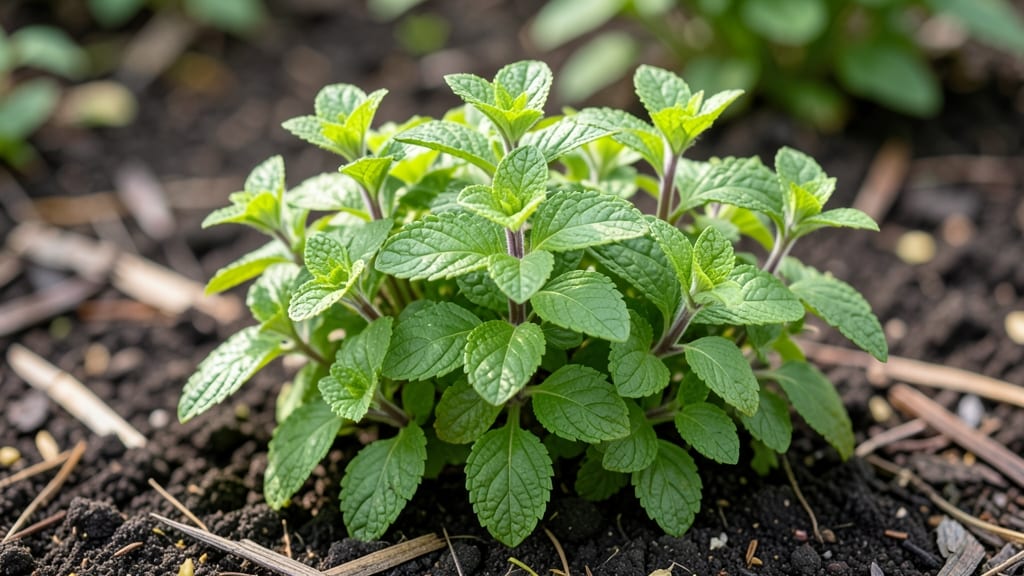
How to take care of a spearmint plant feels like growing a low-maintenance superstar—it thrives where other herbs fail, but its aggressive roots demand smart planning. 🌱 I’ve watched spearmint spread from a single pot to a 3-foot-wide patch in just two seasons, proving it’s both hardy and unstoppable once established. The key? Controlling its spread while giving it exactly what it craves: sun, water, and occasional pruning to keep it productive (not chaotic). Spearmint loves full sun to partial shade and moist, well-draining soil—think of it as the herb version of a thirsty houseplant. Overwatering is the real enemy, so let the top inch of soil dry out between waterings, and avoid soggy roots. A 5-gallon container works for beginners, but if planted in-ground, contain it with buried edging to prevent it from taking over your garden (trust me, it will try). Harvesting is where the magic happens: snip stems just above a leaf node to encourage bushier growth, and you’ll get fresh mint for tea, cocktails, or cooking all season long. The plant’s crinkly, bright-green leaves smell like a summer breeze, and it blooms tiny purple flowers if left unpruned—though I always trim them to focus energy on foliage. For companion planting, pair it with tomatoes, cabbage, or carrots to repel pests naturally. Just never let it go to seed unless you want mint everywhere—it self-seeds aggressively. With these simple steps, your spearmint will stay lush, fragrant, and productive for years.
📚 In This Guide
- What you need
- Instructions
- Tips and common mistakes
- Wrapping up and next steps
What you need
- ● Spearmint seeds or cuttings: Choose organic seeds or healthy, disease-free cuttings from a trusted source.
- ● Well-draining potting soil: A mix of peat moss, perlite, and compost (ratio: 2:1:1) works best. For containers, use a 5-gallon pot or larger with drainage holes.
- ● Sunlight access: A spot with 4–6 hours of direct sunlight daily (partial shade in hot climates).
- ● Watering can or hose with a gentle spray nozzle: Spearmint dislikes soggy soil, so precise watering is key!
- ○ Fertilizer (optional but helpful): Balanced 10-10-10 liquid fertilizer (diluted to half-strength) every 4–6 weeks during growing season.
- ● OR organic options like compost tea or fish emulsion for a natural boost.
- ● Pruning shears or sharp scissors: For trimming stems to encourage bushiness (sterilize with rubbing alcohol between uses!).
- ○ Gloves (optional): Protect your hands from sap (which can irritate skin) and soil.
- ● Mulch (straw or shredded leaves): Helps retain moisture and suppress weeds. Apply a 1–2 inch layer around the base.
- ● Container or garden bed: If planting in pots, ensure they’re at least 12 inches deep to accommodate roots.
- ● 🌡️ Temperature: Spearmint thrives in 60–75°F (15–24°C). Avoid frost—it’s not cold-hardy!
- ● ✨ Propagation hack: Divide mature plants every 2–3 years to prevent overcrowding.
Step-by-Step guide to caring for your spearmint plant
Spearmint thrives with surprisingly little fuss—just a few key habits keep it lush and productive.
💧 Step 1: Water Deeply but Infrequently
Spearmint prefers its roots to dry slightly between waterings. Stick your finger 1 inch deep into the soil—when it feels dry, water thoroughly until liquid runs from the drainage holes. Overwatering causes root rot, while underwatering makes leaves curl and wilt. I aim for 1-2 times weekly in summer, adjusting for humidity and heat.
Morning watering works best—it gives excess moisture time to evaporate before evening. If your pot feels light between waterings, that’s your cue. Mulching with 1 inch of organic material helps retain moisture and keeps roots cool.
☀️ Step 2: Position for Bright, Indirect Light
Spearmint loves sun but burns easily in harsh afternoon rays. Place it where it gets 4-6 hours of morning sunlight and afternoon shade. A south-facing window with sheer curtains works well. If leaves yellow or scorch, move it back 1-2 feet from the glass.
Outdoor plants tolerate full sun in cooler climates but appreciate afternoon shade in hot zones. Watch for leaves turning pale or crispy—those are signs of too much direct sun. Rotate the pot quarter-turn weekly to encourage even growth.
✂️ Step 3: Prune Strategically for Bushier Growth
Spearmint grows aggressively—pinch back the tips when stems reach 4-6 inches tall. This triggers bushier growth and prevents legginess. Use clean scissors to snip just above a set of leaves. Regular pruning also keeps the plant compact and improves air circulation, reducing disease risk.
Harvest leaves anytime by cutting stems just above a leaf node. Never take more than one-third of the plant at once. After flowering, cut back stems by half to encourage a second flush of fresh growth. Deadhead spent blooms to redirect energy into leaf production.
🪴 Step 4: Fertilize Lightly for Vigorous Growth
Spearmint doesn’t need heavy feeding—too much fertilizer makes leaves bitter. Mix a balanced liquid fertilizer (10-10-10) at half-strength every 4-6 weeks during spring and summer. Water thoroughly before and after applying to prevent root burn.
Organic options like compost tea or fish emulsion work well too. Stop fertilizing in fall and winter—dormant plants don’t need extra nutrients. Yellowing leaves often signal over-fertilization. If you see this, flush the soil with plain water to leach out excess salts.
⏰ Step 5: Overwinter with Minimal Care
Spearmint is perennial in zones 5-9. Move potted plants to a sheltered spot with bright indirect light and reduce watering to once every 2-3 weeks. Let the top 2 inches of soil dry** completely between waterings. Mulch heavily to insulate roots.
In colder zones, bring pots indoors near a sunny window. Prune back by half before bringing inside to reduce stress. Resume regular care in early spring when new growth appears. Spearmint’s hardy nature means it’ll bounce back quickly after winter dormancy.
Tips & tricks for thriving spearmint plants
Between us, spearmint's low-maintenance reputation can be misleading—it's actually quite particular about its care. Here's what nobody tells you about keeping it lush and productive.
Soil Sensibility: Spearmint hates soggy roots, so if your pot lacks drainage holes, upgrade immediately. I learned this the hard way after losing two plants to root rot. The 1-inch deep soil check from Step 1 is crucial—if your finger comes out with soil clinging, you're overwatering. For container plants, consider terracotta pots—they wick away excess moisture better than plastic.
Lighting Strategy: That 4-6 hours of morning sun in Step 2 is non-negotiable, but here's the secret: if your spearmint starts stretching toward the light (a sign of legginess), it's getting too little light. Move it closer to the window or supplement with a grow light for 2-3 hours daily. The quarter-turn weekly rotation mentioned in Step 2 prevents uneven growth—think of it as giving your plant a gentle massage to stay balanced.
Pruning Precision: When you pinch back those 4-6 inch stems in Step 3, aim for just above a set of leaves where new growth will emerge. I always use clean, sharp scissors to avoid crushing stems. For harvesting, cut stems at a 45-degree angle just above a leaf node—this encourages branching and prevents water from pooling on the cut, which can rot the stem. Never take more than one-third at once, or you'll shock the plant.
Fertilizer Finesse: That half-strength 10-10-10 fertilizer recommendation in Step 4 is perfect, but timing matters. Apply it only when you see new growth appearing in spring—never on stressed or dormant plants. For organic options, compost tea is my go-to because it feeds the soil microbes that help your spearmint absorb nutrients more efficiently. And if you see those yellow leaves? Flush the soil immediately with plain water to prevent salt buildup.
Pro Tips for Take Care Of Spearmint Plant
- Between us, spearmint's low-maintenance reputation can be misleading—it's actually quite particular about its care. H...
- Soil Sensibility: Spearmint hates soggy roots, so if your pot lacks drainage holes, upgrade immediately. I learned th...
- Lighting Strategy: That 4-6 hours of morning sun in Step 2 is non-negotiable, but here's the secret: if your spearmin...
Frequently asked questions
Got questions about keeping your spearmint thriving? Here are answers to common concerns—from pruning to pests and beyond!
How often should I prune my spearmint plant?
Prune spearmint regularly during the growing season (spring to fall) to encourage bushier growth and prevent flowering. Trim back by about one-third every 4–6 weeks. Avoid heavy pruning in winter, as the plant enters dormancy. Learn more about pruning techniques to maximize yield!
What are common pests for spearmint, and how do I get rid of them?
Spearmint is generally pest-resistant, but you might spot aphids, spider mites, or whiteflies. Combat them with:
- Neem oil spray (diluted)
- Blasts of water to dislodge pests
- Introducing ladybugs (natural predators)
How long does it take for spearmint to grow enough for harvesting?
With proper care, spearmint reaches harvestable size in 6–8 weeks from planting. You’ll know it’s ready when the stems are thick and woody (about pencil-sized) and the leaves are vibrant green. Harvest tips ensure your plant keeps producing!
Can I grow spearmint indoors? What’s the best setup?
Yes! Spearmint thrives indoors near a south-facing window or under grow lights (12–16 hours/day). Use a 6–8 inch pot with well-draining soil and keep humidity high (mist leaves or use a pebble tray). Rotate the pot weekly for even growth. Pro tip: Start with a small plant—spearmint spreads aggressively!
Why is my spearmint turning yellow or wilted?
Yellowing leaves often signal overwatering or poor drainage. Wilting can mean underwatering or root stress. Check soil moisture (top inch should be dry) and ensure your pot has drainage holes. If roots are mushy, repot in fresh, well-draining soil. Adjust watering to match your climate!
Is spearmint invasive? Should I worry about it spreading?
Spearmint is highly invasive and can take over gardens if unchecked. To contain it:
- Plant in containers (not in-ground)
- Prune aggressively to limit runners
- Remove seed heads if they appear
Wrapping up and next steps
Caring for a spearmint plant is simpler than you think—just give it sunlight, water, and a little love!
With minimal pruning and the right soil, you’ll enjoy a thriving herb garden that’s both fragrant and rewarding. 🌿 Whether you’re growing it for tea, cooking, or just the joy of nurturing life, your spearmint will flourish with these easy steps.
Now that you’re ready to plant, why not expand your green thumb? Try growing other low-maintenance herbs like basil or thyme next—or share your spearmint harvest with friends! Happy gardening! 🌱