
Planting
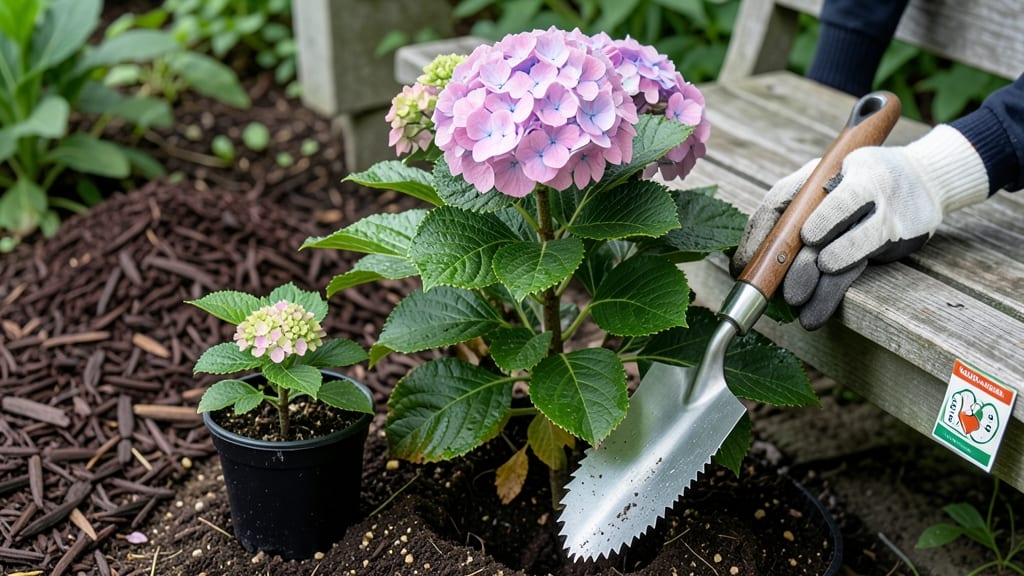
Hydrangeas grow best in USDA planting zones 3 through 9, with peak performance in zones 5 to 8. For vibrant blooms, plant in early spring after frost or in fall before the first freeze to maximize root development.
Understanding your hydrangea planting zone isn't just about temperature—it's about matching your climate to the right variety. 🌿 Oakleaf hydrangeas, for example, handle colder zones (3-6) better than bigleaf varieties, which prefer milder zones (6-9).
I've seen bigleaf hydrangeas struggle in zone 4 winters unless given extra mulch protection, while panicle types thrive even in zone 9's heat. The key is choosing a cultivar that aligns with your local microclimate, whether that's coastal humidity or high-altitude dryness.
Timing matters just as much as location. Early spring planting (after last frost) gives roots time to establish before summer heat, while fall planting (4-6 weeks before first frost) reduces transplant shock.
In zone 5, I've had the most success planting in late April or early October—just enough time for roots to settle before extreme temperatures arrive. For zones 7-9, fall planting is often safer as it avoids summer's intense heat stress.
💡 In This Article
- USDA Zones for Hydrangea Growth and Variety Suitability
- Best Planting Months by Region and Hydrangea Type
USDA zones for hydrangea growth and variety suitability
The USDA planting zone system categorizes regions based on average annual minimum temperatures, and hydrangeas respond dramatically to these differences. Bigleaf hydrangeas (Hydrangea macrophylla) prefer zones 6-9 because they struggle with temperatures below -10°F (-23°C), which can damage their delicate buds.
Oakleaf varieties (Hydrangea quercifolia) handle colder zones 3-8 thanks to their thick, oak-like leaves that protect against winter chill. 🌱 The key difference lies in their native habitats—bigleaf types evolved in Japan's temperate climate, while oakleaf varieties come from the southeastern U.S., where winters are milder but still crisp.
Temperature extremes matter more than you might think. In zone 4 or colder, bigleaf hydrangeas often need winter protection like thick mulch or burlap wraps to prevent bud freeze.
I've seen gardeners in zone 5 use 3-4 inches of straw mulch around the base to insulate roots during -20°F (-29°C) nights. Conversely, panicle hydrangeas (Hydrangea paniculata) thrive in zones 3-8 because their cone-shaped blooms form on new wood, making them more resilient to late frosts.
Their ability to handle -30°F (-34°C) temperatures explains why they're the go-to choice for northern climates.
Soil temperature plays an equally critical role. Hydrangeas need soil to warm to 55-60°F (13-15°C) before planting—this is why spring planting after last frost works best in most regions.
In zone 9, where summer heat can exceed 100°F (38°C), bigleaf varieties may need afternoon shade to prevent leaf scorch. The science here involves photosynthesis stress: prolonged exposure to temperatures above 90°F (32°C) disrupts the plant's ability to process sunlight efficiently, leading to wilting or bud drop.
Microclimates create another layer of complexity. Coastal areas in zone 8 often experience milder winters than inland locations, allowing bigleaf hydrangeas to thrive where they'd fail 20 miles inland. Similarly, high-altitude gardens in zone 6 might mimic zone 5 conditions due to cooler nighttime temperatures.
This is why gardeners in mountainous regions often plant 1-2 zones harder than their official USDA zone to account for these variations. 🌿 The takeaway? Always observe your specific garden conditions rather than relying solely on the zone number.
Water availability also interacts with zone suitability. Bigleaf hydrangeas in zones 7-9 need consistent moisture to prevent bud blast (when flowers dry out before opening), while oakleaf varieties in zones 5-6 can tolerate brief dry spells thanks to their deeper root systems.
The pH level of your soil matters too—blue-flowering bigleaf varieties prefer acidic soil (pH 5.0-5.5), while pink blooms thrive in neutral to slightly alkaline soil (pH 6.0-7.0). This chemical balance affects nutrient uptake, which in turn influences hardiness across zones.