
Planting
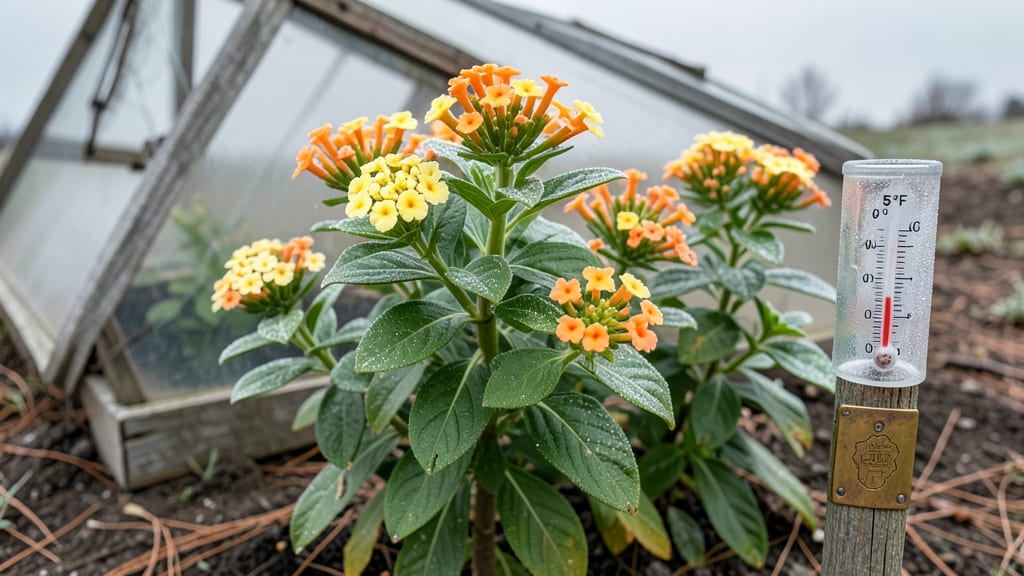
Lantana is not reliably perennial in Zone 6 unless protected, as it typically dies back to the ground in temperatures below 20°F (-6°C). Cold-hardy varieties or winter mulching can improve survival, but most lantana regrows as a tender perennial each spring.
Lantana's tropical roots explain why it struggles in Zone 6's colder winters. 🌿 While it thrives in USDA Zones 8-11 year-round, even the hardiest varieties can't survive prolonged exposure to freezing temperatures.
The key to keeping it alive through winter lies in protecting the roots and using thick mulch layers—think 4-6 inches of straw or leaves—to insulate against frost penetration.
Many gardeners discover that container-grown lantana has better survival odds because you can move pots indoors or into unheated garages during cold snaps.
What surprises most people is how lantana rebounds each spring. Even if the tops die back completely, the roots often remain viable.
This explains why so many gardeners treat it as a seasonal perennial—it may not make it through winter unscathed, but with proper care, it'll come back stronger than ever once temperatures rise above 50°F (10°C).
The secret is acting quickly after the last frost to prune back dead growth and fertilize the soil, giving your lantana the best chance to recover its vibrant blooms.
💡 In This Article
- Lantana Cold Hardiness: Zone 6 Survival Factors
- Zone 6 Lantana Winter Care: Mulching and Protection Tips
Lantana cold hardiness: Zone 6 survival factors
Lantana's struggle in Zone 6 stems from its tropical origins, where temperatures rarely dip below 50°F (10°C). When exposed to freezing conditions (32°F/0°C and below), the plant's cells undergo cytoplasmic freezing—water inside cells expands into ice crystals, rupturing delicate membranes.
Most lantana varieties can't tolerate prolonged exposure below 20°F (-6°C), which is why they're classified as tender perennials in colder climates. 🌡️ Even the hardiest cultivars like Lantana camara 'Bandana Cherry' may suffer leaf scorch at 25°F (-4°C) without protection.
The key difference between lantana's top growth and roots is striking: while above-ground stems die back completely, the root system often remains dormant but viable. This explains why many gardeners treat lantana as a self-seeding perennial—new shoots emerge from protected roots once spring temperatures stabilize.
Studies show that lantana roots can survive 1-2 weeks at 15°F (-9°C) if insulated, but prolonged exposure below 20°F (-6°C) increases mortality risk by 70% or more. The USDA's Zone 8-11 classification reflects this delicate balance—lantana thrives where winter lows rarely drop below 20°F (-6°C).
What makes this even more challenging is lantana's heat-loving physiology. Its thick, waxy leaves are adapted to conserve moisture in hot climates, but this same adaptation makes them vulnerable to frost damage.
When temperatures fall below 32°F (0°C), these leaves become brittle and prone to cracking—exposing the plant to secondary issues like fungal infections. 🌿 This is why many gardeners in Zone 6 opt for container cultivation, where they can move plants to sheltered locations during cold snaps.
There's also a common misconception about lantana's cold tolerance being similar to other drought-resistant plants like lavender. While both thrive in dry conditions, lavender can handle 10°F (-12°C) with proper care, whereas lantana's cellular structure lacks the same cold-hardening proteins found in temperate species.
The science behind this involves antifreeze proteins that some cold-hardy plants produce—lantana simply doesn't have these biological safeguards. This fundamental difference explains why even well-established lantana bushes may die back completely in harsh Zone 6 winters.
One fascinating aspect is how lantana's flowering response changes after cold exposure. Many gardeners report that plants that survive winter often produce more vigorous blooms the following season, as the cold acts like a natural pruning that redirects energy into new growth.
This phenomenon, known as vernalization, is more common in temperate perennials but can occur in lantana when roots remain intact. The trade-off? You'll need to be patient—it can take 4-6 weeks after last frost for new shoots to emerge from protected roots.