
Planting
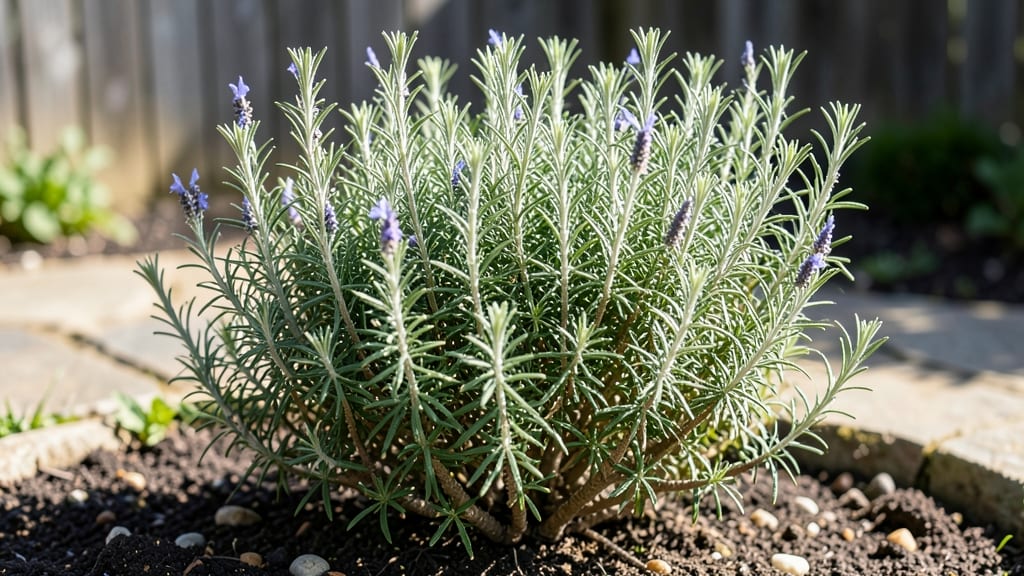
Rosemary is a perennial in Zone 7 but requires careful winter protection to survive freezing temperatures, as it thrives in USDA zones 8-10. Mulching, container growing, or covering plants helps extend its lifespan beyond mild winters.
Rosemary's native Mediterranean climate means it naturally prefers warmer winters (USDA zones 8-10), where temperatures rarely drop below 10°F. 🌿 In Zone 7, where winters can reach 0°F, the plant's woody stems may survive, but tender new growth often dies back without protection.
The key is creating a microclimate—whether through heavy mulching, moving potted plants to sheltered spots, or using frost blankets—that mimics its ideal growing conditions.
For gardeners in Zone 7, the difference between annual and perennial rosemary often comes down to preparation. I've found that combining 3-4 inches of mulch with a protective covering (like burlap) during the coldest months can make all the difference.
Even then, some gardeners opt to treat rosemary as a short-lived perennial, replanting fresh cuttings each spring for maximum vigor.
💡 In This Article
- Rosemary’s Cold Hardiness in Zone 7: USDA Zone Limits Explained
- Zone 7 Rosemary Survival Strategies: Mulching, Containers, and Pruning
Rosemary’s cold hardiness in Zone 7: USDA Zone limits explained
Rosemary's native Mediterranean climate exposes it to mild winters with rare freezes, thriving in USDA zones 8-10 where temperatures stay above 10°F. The plant's woody stems can tolerate brief dips to 0°F, but tender new growth freezes at 20°F or lower.
This is why Zone 7's winters (0-10°F) create survival challenges—while the mature stems may persist, the plant's ability to regrow in spring becomes compromised without protection. 🌿
The science behind rosemary's cold sensitivity lies in its cell structure. Unlike cold-hardy perennials, rosemary lacks the ability to produce antifreeze proteins that prevent ice crystal formation in its cells. When temperatures drop below 20°F, the plant's cell membranes rupture, causing irreversible damage to the tender growth.
However, the woody stems contain specialized compounds that help them endure colder temperatures by reducing water content and slowing metabolic processes.
Zone 7 gardeners often face a trade-off between rosemary's perennial potential and its need for winter care. The plant's natural resilience means it can survive brief cold snaps, but prolonged exposure to freezing temperatures will kill back the foliage.
This is why many gardeners in Zone 7 treat rosemary as a short-lived perennial, with the plant potentially living for 2-3 years with proper winter protection before needing replacement.
Understanding rosemary's cold hardiness helps explain why some plants survive winters while others don't. The key difference lies in the balance between the plant's mature woody structure and its tender new growth.
While the stems might endure, the lack of protected foliage means the plant can't photosynthesize and regenerate properly until spring. This is why winter protection strategies focus on shielding both the stems and any remaining foliage.
Comparing rosemary to other Mediterranean herbs like thyme or oregano helps illustrate its unique challenges. Thyme, for example, has a higher cold tolerance (Zone 5) because it forms dense mats of woody stems that insulate the plant better.
Rosemary's more upright growth habit and larger leaves make it more vulnerable to cold damage. This structural difference explains why rosemary requires more intensive winter care in Zone 7 environments. ✨