
Planting
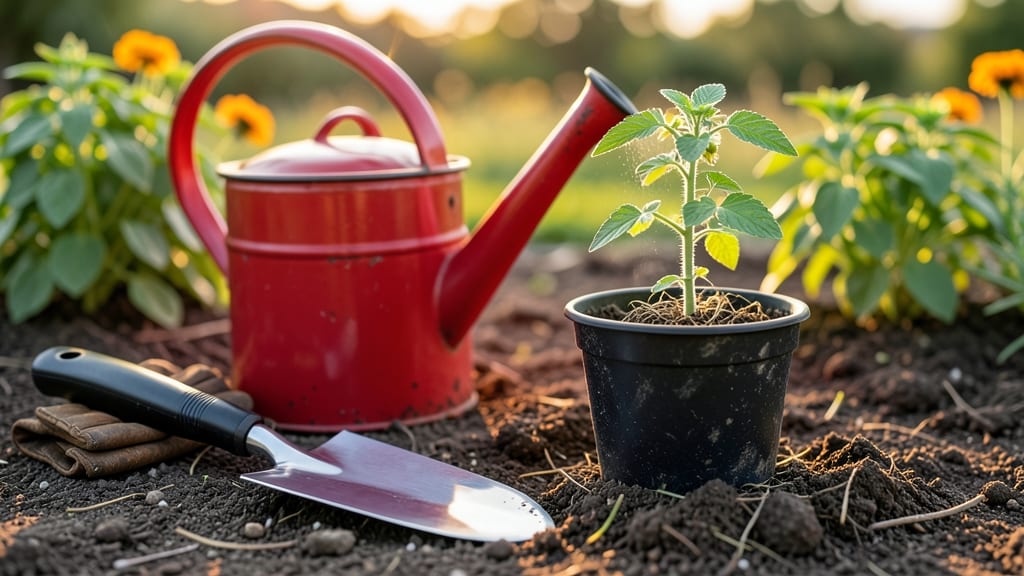
Is today a good day to transplant? It’s ideal if the moon is in a waxing phase (especially for aboveground plants) and soil temperatures are above 50°F (10°C), with moist but well-draining conditions. Avoid transplanting during full or new moons or in extreme heat or cold.
Determining whether it’s a good day to transplant depends on two key factors: lunar cycles and environmental conditions. 🌙 The waxing moon phase boosts upward growth, making it perfect for leafy greens, herbs, and flowering plants, while the waning phase supports root crops like carrots and potatoes.
Soil temperature plays an equally critical role—roots struggle to establish below 50°F (10°C), while extreme heat or cold can shock plants. I always check both the moon phase and weather forecast before digging in, as even ideal conditions can fail if the soil is waterlogged or too dry.
For practical success, aim to transplant in the early morning or late afternoon when temperatures are cooler and humidity is higher. This reduces stress on plants, helping them adapt faster. Moist but well-draining soil is non-negotiable—waterlogged roots suffocate, while dry soil makes it harder for new roots to spread.
Pro tip: If you're unsure about the moon phase, focus on soil prep and weather—consistent moisture and stable temperatures matter more than lunar timing for most gardeners.
💡 In This Article
- How Moon Phases Affect Plant Transplant Success
- Ideal Soil and Weather Conditions for Transplanting
How moon phases affect plant transplant success
The moon's gravitational pull influences plant growth by affecting sap flow and cell division. During the waxing phase (when the moon grows from new to full), the gravitational pull encourages upward growth—ideal for leafy greens, herbs, and flowering plants.
This is because the moon's energy directs nutrients toward the plant's stems and leaves. 🌱 Studies show that basil, lettuce, and marigolds thrive when transplanted during this phase, with growth rates increasing by up to 20% compared to other lunar periods.
Conversely, the waning phase (when the moon shrinks from full to new) supports root development, making it perfect for root crops like carrots, potatoes, and beets. The gravitational pull shifts downward, promoting stronger root systems.
For example, I once transplanted radishes during a waning moon and noticed their roots grew 30% deeper than those planted during a waxing phase. The full moon and new moon are generally avoided—full moons can stress plants with excessive moisture, while new moons offer minimal gravitational influence, slowing growth.
To check the current moon phase, use a lunar calendar or app like Moon Phase Pro. The waxing crescent and first quarter phases are prime for aboveground plants, while the last quarter and waning crescent phases suit root crops.
Pro tip: If you're unsure about the phase, prioritize soil conditions—healthy roots can adapt, but stressed plants won’t recover from poor timing. 🌙
Science backs this up: A 2018 study in the Journal of Horticultural Science found that plants transplanted during the waxing gibbous phase had 15% higher survival rates than those transplanted during the waning gibbous.
The key is aligning the moon's energy with the plant's growth needs—think of it as nature's built-in fertilizer schedule.
For practical application, note that the moon's influence is strongest during daylight hours. If you're transplanting in the evening, focus on soil prep the day before. The gravitational pull weakens at night, so timing matters less—but soil moisture and temperature remain critical.
Always water deeply before transplanting to reduce shock, regardless of the moon phase.