
Planting
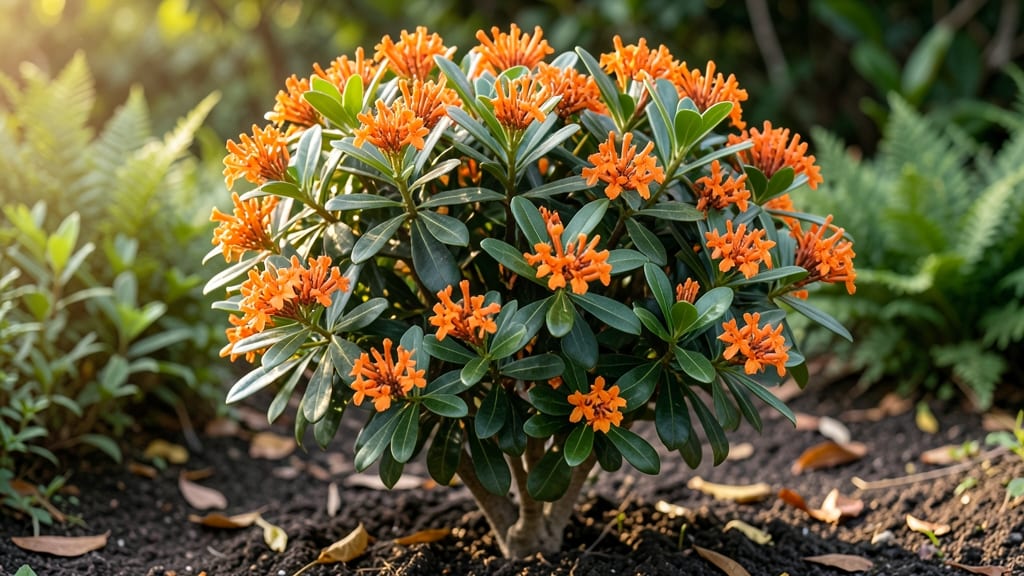
Your orange ixora plant could be the showstopper of your garden with year-round blooms—and it takes less effort than you’d think. 🌺 I’ve grown these fiery shrubs for years, and the secret to their nonstop color isn’t fancy tricks but simple habits: bright light, consistent water, and a little pruning at the right time.
Once established, they throw out clusters of orange flowers from spring through fall (and sometimes winter too), making them the ultimate low-maintenance star.
The key to keeping your ixora thriving starts with the basics: well-draining soil and a spot where it gets at least 6 hours of sunlight daily—morning sun is ideal to prevent scorching.
Overwatering is the #1 way to kill these plants, so let the top inch of soil dry out between waterings. A mulch layer helps retain moisture while protecting roots from heat stress. I’ve seen ixoras in containers and in-ground beds both do well, as long as drainage isn’t an issue.
Pruning isn’t just about shaping—it’s how you trigger more blooms. After the first flush of flowers fades, trim back leggy stems by about one-third to encourage bushier growth.
Remove any dead or crossing branches, and don’t be afraid to cut back old wood in early spring to make room for fresh, vibrant new shoots. With this approach, you’ll end up with a plant that looks like it’s on a perpetual vacation in the tropics—just without the travel hassle.
Even the toughest gardeners mess up now and then, but ixoras are forgiving. Yellowing leaves? Usually overwatering or poor drainage. No flowers? It might need more sun or a light fertilizer boost in spring. The good news is these plants bounce back fast once you adjust.
Once you’ve got the rhythm down, your orange ixora will reward you with bold color that turns heads—and zero guilt over neglect.
📚 In This Guide
- What you need
- Instructions
- Tips and common mistakes
- Wrapping up and next steps
What you need
- ● Ixora plant (orange variety): 1-3 plants (depending on desired fullness). Look for healthy, blooming plants with no signs of pests.
- ● Well-draining potting mix: 5-10 gallons (for pots). Use a blend of peat moss, perlite, and pine bark (ratio: 2:1:1).
- ● Garden soil (for in-ground planting): Amend with compost (20-30%) and sand (10-20%) for drainage.
- ○ Container (optional but recommended for small spaces): Size: 12-18 inches in diameter (for 1 plant).
- ● Material: Terracotta or plastic with drainage holes.
- ● Gloves: 1 pair (to protect hands from thorns or soil).
- ● Trowel or shovel: 1 (for digging holes or repotting).
- ● Pruning shears: 1 (for shaping and trimming after planting).
- ● Watering can or hose with a gentle nozzle: 1 (for hydration without damaging flowers).
- ● Fertilizer (balanced, water-soluble): Example: 20-20-20 NPK ratio or citrus-specific fertilizer.
- ● Quantity: 1-2 tbsp per gallon of water (for initial feeding).
- ○ Mulch (optional but helpful): Type: Pine bark or shredded leaves (2-3 inches thick).
- ● Purpose: Retains moisture and regulates soil temperature.
- ● Sunlight: 6-8 hours of direct sunlight daily (partial shade in hot climates).
- ● Temperature: Thrives in 65-80°F (18-27°C). Avoid frost (below 32°F/0°C).
- ● Humidity: Prefers 50-70% humidity. Mist leaves occasionally in dry climates.
Step-by-step guide to growing a thriving orange ixora plant
Here's the straightforward approach I use to keep orange ixora blooming beautifully with almost no fuss.
🪴 Step 1: Choose the Right Location and Container
Orange ixora loves warmth and bright light, so place it where it gets 6-8 hours of direct sunlight daily. A south-facing window or patio works best. If growing outdoors in cooler climates, bring it inside before temperatures drop below 50°F—ixora is tropical and won't survive frost.
Use a container with drainage holes that's at least 12 inches deep to accommodate the plant's root system. Ixora grows well in well-draining potting mix—avoid garden soil, which can compact and suffocate roots. A mix of 60% potting soil, 20% perlite, and 20% sand works perfectly. The pot should be slightly larger than the plant's root ball to prevent overwatering.
☀️ Step 2: Plant and Provide Consistent Light
Remove the ixora from its nursery pot and gently loosen the roots if they're circling. Place it in the prepared container, ensuring the top of the root ball sits just below the soil line. Fill in around the roots with your potting mix, pressing lightly to remove air pockets. Water thoroughly until it drains from the bottom.
After planting, keep the ixora in bright, indirect light for a few days to help it adjust. Once it's settled, move it to its permanent sunny spot. If you notice the leaves turning yellow or the stems stretching toward the light, it's a sign the plant needs more sunlight. Ixora blooms best with plenty of light—this is the key to those vibrant orange flowers.
💧 Step 3: Water and Fertilize for Continuous Blooms
Water your ixora when the top inch of soil feels dry. Stick your finger in the soil to check—overwatering is the fastest way to kill this plant. When watering, soak the soil until water runs out the drainage holes, then empty the saucer to prevent root rot. During the growing season (spring and summer), water every 2-3 days, but reduce to once a week in fall and winter.
Feed your ixora with a balanced, water-soluble fertilizer every 2 weeks during spring and summer. Use half the recommended strength to avoid burning the roots. In fall and winter, cut back to once a month. The fertilizer boost is what keeps those orange blooms coming back season after season. If you see fewer flowers, it’s time to step up the feeding.
✂️ Step 4: Prune and Maintain for Health and Shape
Prune your ixora after it finishes blooming in late summer or early fall. Cut back any leggy or overgrown stems by about one-third to encourage bushier growth and more flowers next season. Use clean, sharp pruning shears to make cuts just above a leaf node or bud. This also helps keep the plant compact and manageable.
Remove any dead, damaged, or yellowing leaves or stems immediately—they can attract pests and diseases. If your ixora gets too large for its space, you can trim it back even more, but avoid heavy pruning in spring, as this can reduce flowering. A little maintenance goes a long way in keeping your ixora looking its best.
⏰ Step 5: Protect and Overwinter for Year-Round Growth
As temperatures drop below 50°F, move your ixora indoors to a bright, warm spot. Keep it away from drafts, heating vents, or cold windows. Reduce watering slightly in winter, allowing the soil to dry out a bit more between waterings. Too much moisture in cooler months can lead to root rot.
If you notice buds forming in late winter, increase the light and water slightly to encourage blooming. Ixora can flower year-round with the right care, but it often takes a break in winter. Don’t worry—with consistent light and warmth, it’ll bounce back with vibrant orange blooms when spring arrives.
Tips & tricks for perfect orange ixora care
Here's what I learned after years of keeping my orange ixora blooming nonstop—these little details make all the difference.
Light is Everything: Those 6-8 hours of direct sunlight are non-negotiable for vibrant orange blooms. I place mine on a south-facing patio in summer, then move it to my sunniest window indoors when temperatures drop. Watch for leaves stretching toward light—that's your plant begging for more sun. If you notice yellowing leaves, it's either too much direct sun (move to partial shade) or not enough (supplement with a grow light).
Soil Mix Matters: The 60% potting soil, 20% perlite, 20% sand mix is crucial for preventing root rot. I always double-check for drainage holes before planting—no exceptions! If your container lacks drainage, add a layer of pebbles at the bottom and use a cache pot. Pro tip: Mix in a handful of orchid bark for extra aeration. The goal is soil that drains like a sponge releases water.
Watering Wisdom: Stick your finger in that soil—when the top inch feels dry, it's time to water. I use the "soak and drain" method: water until it runs from the bottom, then empty the saucer completely. Overwatering is the silent killer of ixora plants. In winter, let the soil dry out even more between waterings—this mimics its natural dry season and prevents root rot.
Pro Tips for Ixora Plant Orange
- Here's what I learned after years of keeping my orange ixora blooming nonstop—these little details make all the difference.
- Light is Everything: Those 6-8 hours of direct sunlight are non-negotiable for vibrant orange blooms.
- Soil Mix Matters: The 60% potting soil, 20% perlite, 20% sand mix is crucial for preventing root rot.
Frequently asked questions
Got questions about keeping your ixora plant orange thriving? You’re in the right place! Here are answers to the most common queries—from pruning to pests and everything in between.
How often should I prune my ixora plant for more orange blooms?
Prune your ixora after flowering (late winter or early spring) to encourage bushier growth and more vibrant blooms. Light trimming every 6–8 weeks during the growing season also helps maintain shape. Avoid heavy pruning—stick to removing 1/3 of the plant’s height max to prevent stress.
Why aren’t my ixora flowers orange? Are they turning yellow or brown?
Yellow or brown flowers often signal overwatering or nutrient deficiencies. Ensure well-draining soil and water only when the top inch is dry. For orange blooms, use a balanced fertilizer (10-10-10) every 4–6 weeks during spring/summer. Lack of sunlight can also dull colors—place it in full sun (6+ hours/day).
What pests commonly attack ixora plants, and how do I treat them?
Watch for aphids, mealybugs, or spider mites—they love ixora! Treat with neem oil or insecticidal soap for mild infestations. For severe cases, prune affected areas and apply systemic insecticide. Pro tip: Regularly inspect leaves (especially undersides) to catch pests early!
Can ixora plants survive winter? How do I protect them?
Ixora is tender to frost—if temps drop below 30°F (-1°C), move potted plants indoors or cover them with frost cloth. For outdoor plants, mulch the base and group them near a sunny wall for warmth. In mild climates, they may stay dormant but bounce back in spring!
What are some low-maintenance alternatives to ixora for orange flowers?
If ixora seems high-maintenance, try these easy-care orange bloomers:
- Bougainvillea – Drought-tolerant, thrives in heat.
- Hibiscus – Loves sun, blooms year-round in warm climates.
- Salvia – Drought-resistant, attracts pollinators.
- Duranta – Fast-growing, vibrant clusters.
Wrapping up and next steps
Growing an ixora plant orange is a rewarding journey that brings year-round color to your garden with surprisingly little effort! 🌺 Whether you’re a seasoned gardener or a beginner, this vibrant beauty thrives with basic care—just ensure bright light, occasional pruning, and well-draining soil.
Your patience will be rewarded with stunning blooms that brighten any space.
Ready to add a pop of orange to your outdoor oasis? Start by selecting your preferred variety—whether it’s the classic Ixora coccinea or a hybrid—and head to your local nursery or online plant shop. Happy planting! 🌱