
Pests
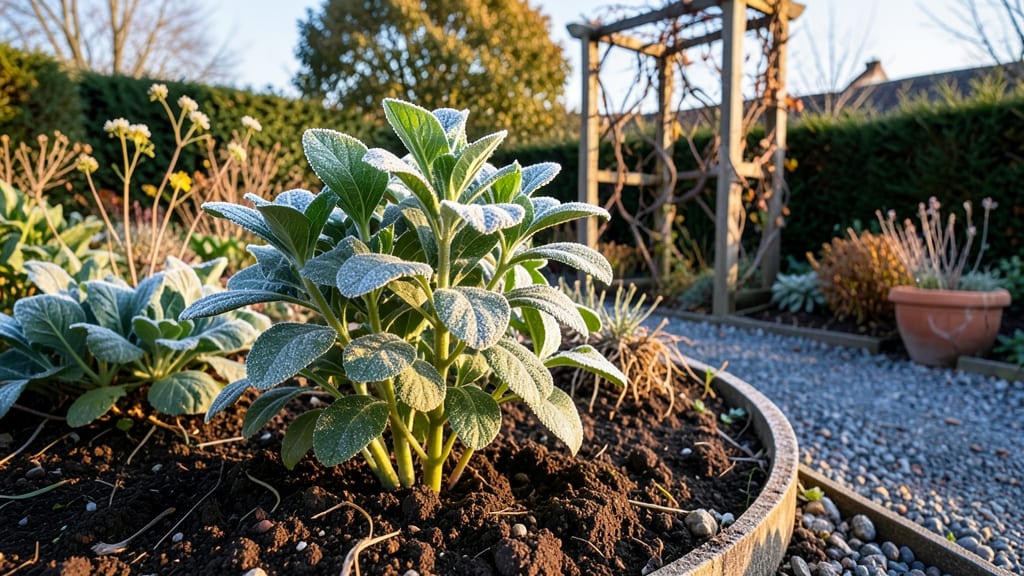
Cold snaps can devastate your garden, but Jack Frost damage doesn’t have to be permanent. These 10 proven strategies will help you protect, revive, and prevent future freeze damage in your plants—whether they’re tender annuals or hardy perennials.
How to Inspect Plants After Frost Damage
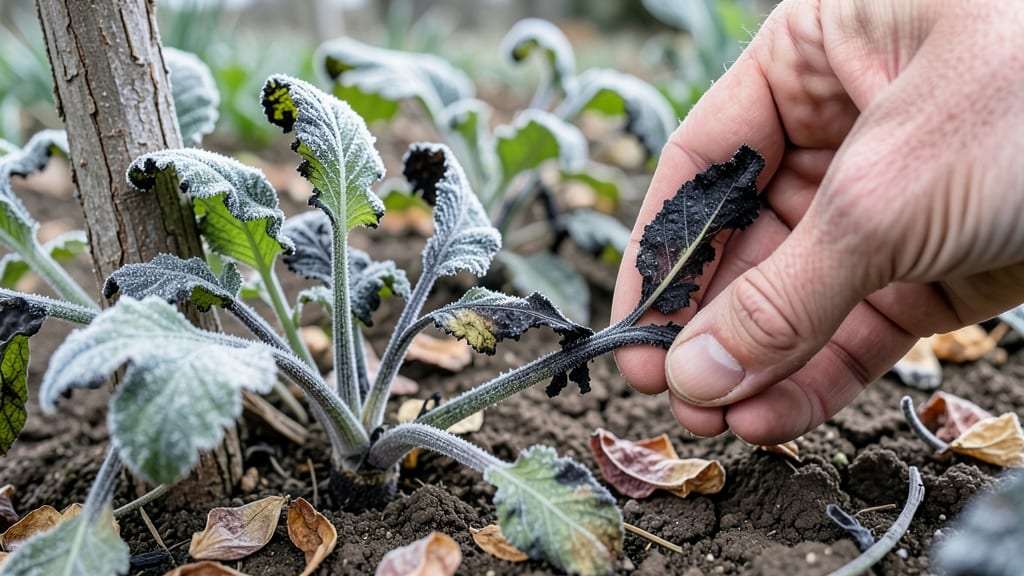
After a frost, don’t rush to prune or remove plants—some may appear worse than they are. Hidden damage often lurks beneath blackened leaves, and a thorough inspection helps you decide which plants can recover and which need removal before disease sets in.
Start by gently twisting or rubbing damaged leaves between your fingers. If they crumble easily, the plant is dead. Look for green stems or buds—these indicate life remains. For woody plants, check the cambium layer (just under the bark) for green color; if it’s brown, the plant is likely dead. Avoid cutting into stems too soon, as this can introduce bacteria.
This step is especially valuable for beginners who may panic after frost and remove plants prematurely. A careful inspection saves time and resources by focusing recovery efforts where they’ll succeed. 💡
Best Mulching Techniques for Winter Protection
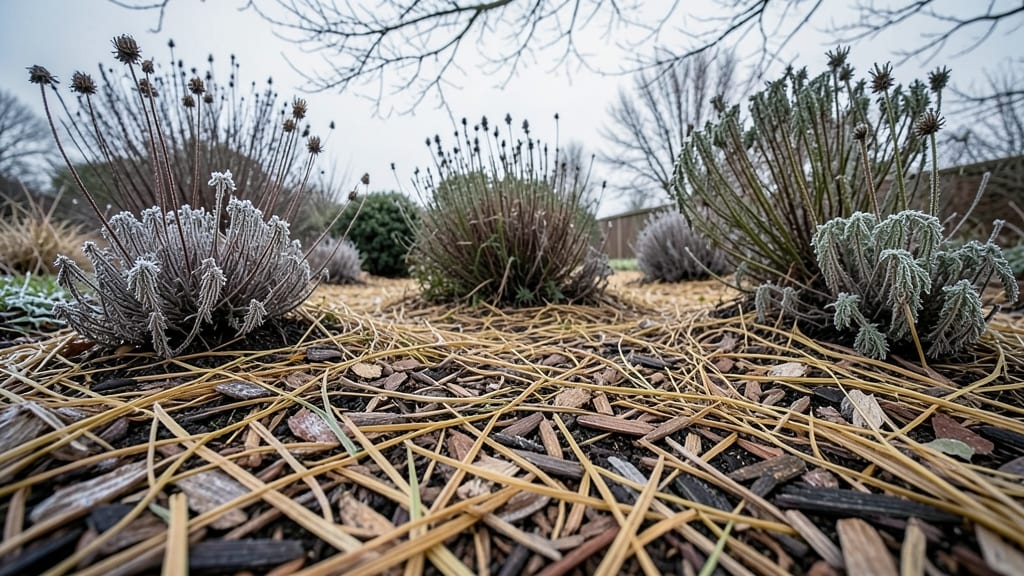
Frost can turn your perennials and shrubs into brittle casualties, but the right mulching strategy acts like a cozy blanket for their roots. A thick layer of organic mulch—like straw, wood chips, or shredded leaves—creates a thermal barrier that shields roots from extreme temperature swings and prevents soil heaving during freeze-thaw cycles.
Apply 4-6 inches of mulch after the ground freezes but before heavy snowfall, keeping it 2-3 inches away from plant stems to avoid rot. For extra insulation in USDA zones 4-7, top with a layer of evergreen boughs or pine needles to reflect heat back into the soil. This method works best for woody perennials like hydrangeas, roses, and fruit shrubs.
Mulching now means fewer dead branches in spring and healthier plants ready to rebound. Perfect for gardeners in frost-prone regions who want low-effort, high-impact protection. ✨
DIY Plant Blankets for Tender Species
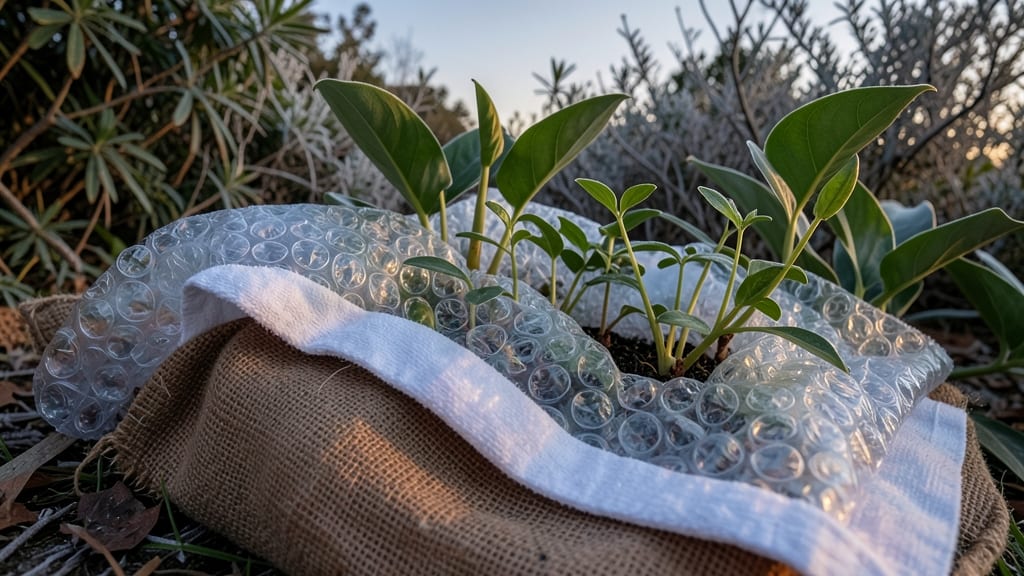
When light frosts threaten your tropical plants or delicate seedlings, expensive frost cloth isn’t your only option. A simple DIY plant blanket made from old towels, burlap sacks, or even bubble wrap can shield tender leaves from 28°F temperatures—all while keeping your wallet happy.
Layer burlap (for breathability) over the plant first, then add bubble wrap or cardboard for extra insulation. Secure with clothespins or rope, leaving a small gap at the base to prevent moisture buildup. For potted plants, wrap the entire pot in a blanket and nestle it in straw or leaves for added warmth. Remove coverings on sunny days to prevent overheating.
This method is perfect for urban gardeners with limited space or beginners who want an affordable way to extend the growing season. With just a few household items, you’ll keep your caladiums, impatiens, and basil thriving through unexpected chills. 🌱
When to Prune Frost-Damaged Foliage
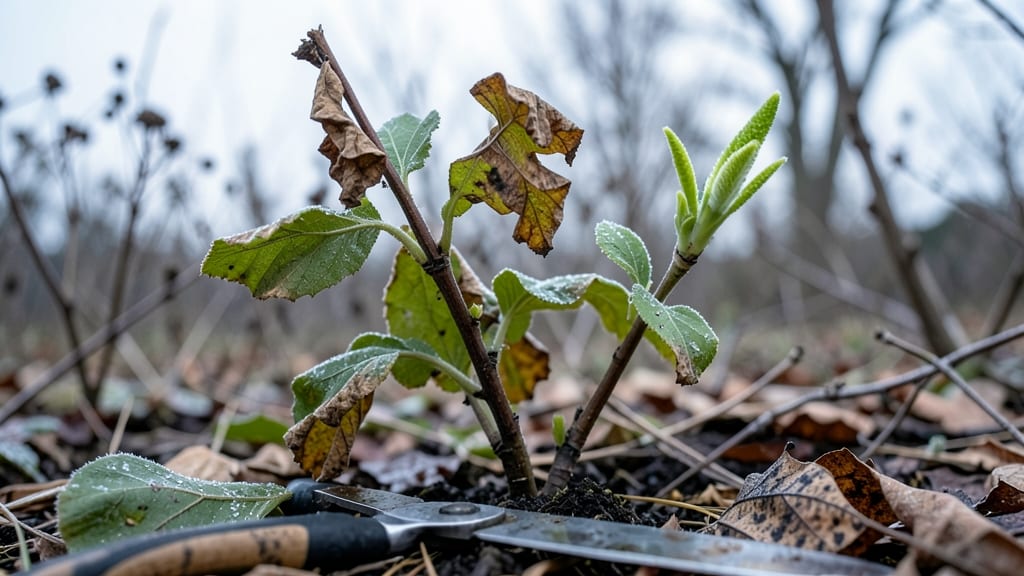
Waiting too long to prune frost-damaged foliage can invite disease, while cutting too soon may stress already weakened plants. The golden window for pruning is late winter to early spring, once new growth appears but before sap begins flowing heavily—typically 4-6 weeks after the last frost in your region.
Start by removing only completely brown, mushy, or hollow stems—healthy green tissue indicates the plant is still alive. Use sterilized shears to avoid spreading pathogens, and cut back to just above a leaf node or bud. For woody plants like roses or fruit trees, wait until bud swell before pruning to ensure you’re not removing next year’s blooms.
This timing is especially critical for tender perennials and young trees, where precise pruning can mean the difference between recovery and permanent damage. Mastering this step will give your garden a stronger start when spring arrives. ✨
How to Revive Wilted Plants After Freezing
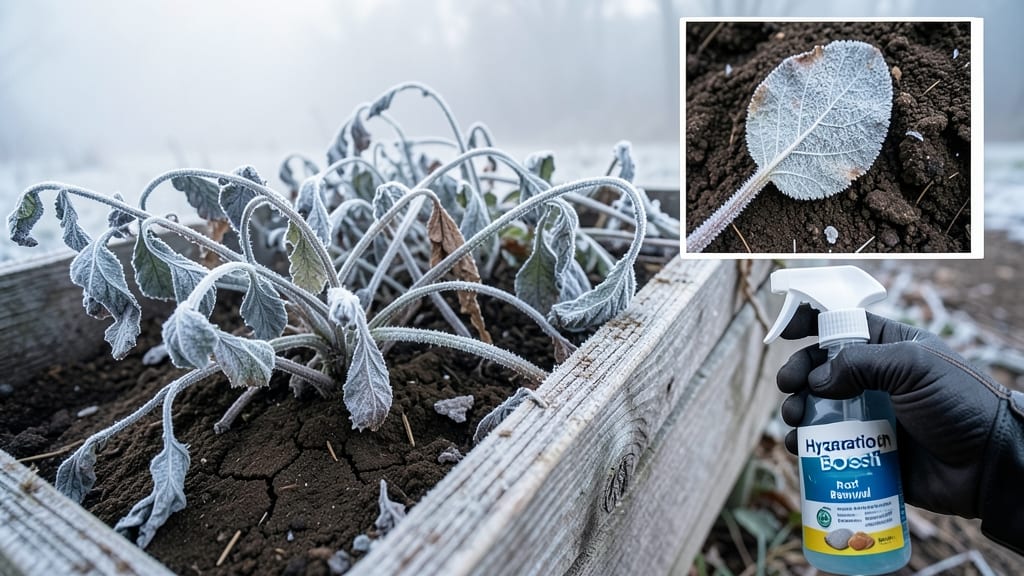
Seeing your plants wilted and seemingly lifeless after a hard freeze can feel like a gardening disaster—but don’t give up yet. With the right hydration and nutrient boost, many plants can bounce back, even if they look completely spent. The key is acting quickly before secondary stress sets in.
Start by watering deeply (but gently) to rehydrate frozen roots without shocking them. Add a balanced liquid fertilizer (like 10-10-10) to the water to jumpstart recovery. For outdoor plants, focus on the base of the plant to avoid damaging brittle stems. Indoor plants may need a warm bath in the sink to thaw roots completely. Monitor for new growth within 3–7 days—if you see fresh leaves, your plant is on the mend!
This method works wonders for tender perennials, herbs, and even some shrubs that might have been caught off guard by an early frost. It’s especially helpful for gardeners in unpredictable climates where late frosts strike unexpectedly. 🌱
Cold-Hardy Plant Varieties for Frost-Prone Areas
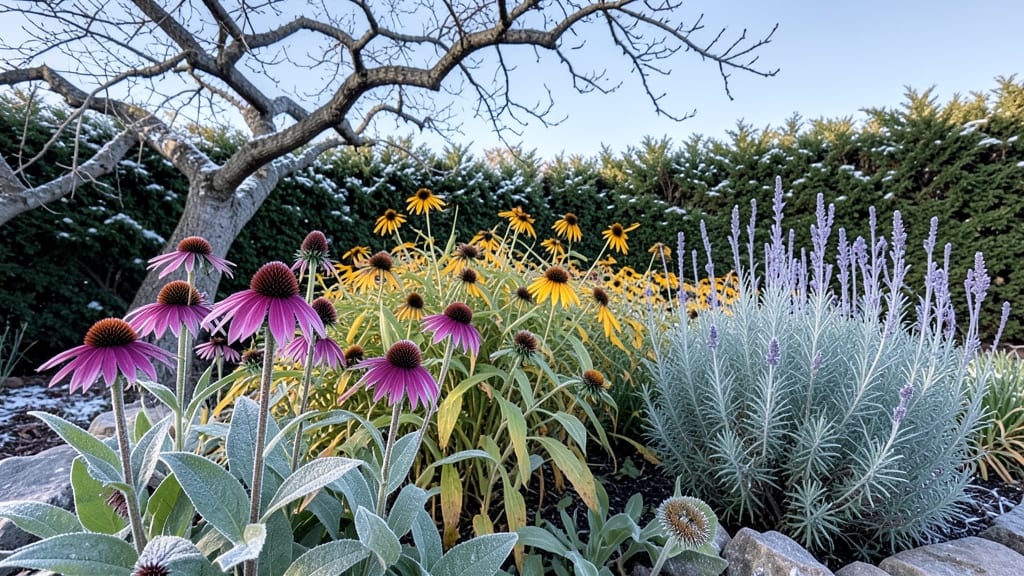
If you live in USDA zones 3-5, where winter freezes are inevitable, you don’t need to sacrifice beauty or productivity—just choose the right plants. These five cold-hardy varieties not only survive freezing temperatures but often thrive in them, requiring minimal winter care.
Start with coneflowers (Echinacea), which bloom prolifically even after frost and attract pollinators year-round. Russian sage (Perovskia atriplicifolia) is another standout, with silvery foliage that stays upright in snow and purple blooms that last into fall. For ground cover, creeping thyme (Thymus serpyllum) handles foot traffic and frost alike, while sedum (Hylotelephium) stores water in its leaves to survive dry, cold winters. Finally, winterberry holly (Ilex verticillata) delivers year-round color with bright red berries that persist through snowfall.
These plants are ideal for gardeners who want low-maintenance resilience—they’ll reward you with color, texture, and even edible foliage without extra effort. Plant them once, and they’ll return stronger each spring. 💪
Using Row Covers to Shield Plants From Frost
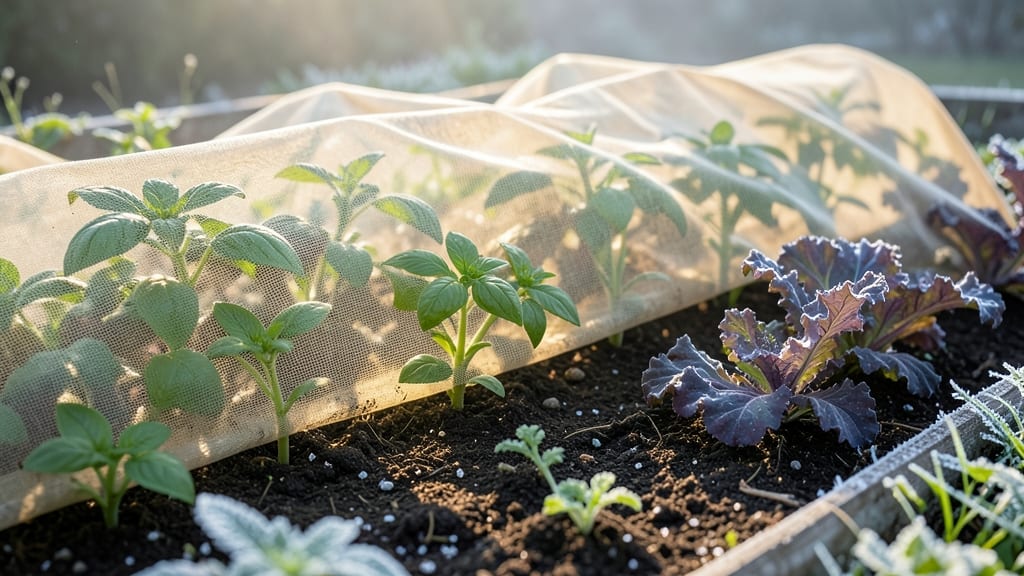
When unexpected frost threatens your seedlings, herbs, or young vegetables, row covers are your secret weapon—a lightweight shield that blocks cold without smothering growth. Unlike heavy blankets or plastic, these breathable fabrics let sunlight and air through while trapping just enough warmth to keep plants safe during light freezes (down to 25°F).
Choose floating row covers (like Agribon or Reemay) for vegetables and fine mesh for herbs to allow pollination while protecting against 2-4°F temperature drops. Secure edges with bricks or soil to prevent wind damage, and remove covers during the day to avoid overheating. This method works wonders for basil, lettuce, and broccoli in spring or fall cold snaps.
Perfect for urban gardeners with limited space or beginner growers who want a low-cost, reusable solution, row covers extend your growing season without the hassle of permanent structures. 🌱
How to Protect Potted Plants During Freezes
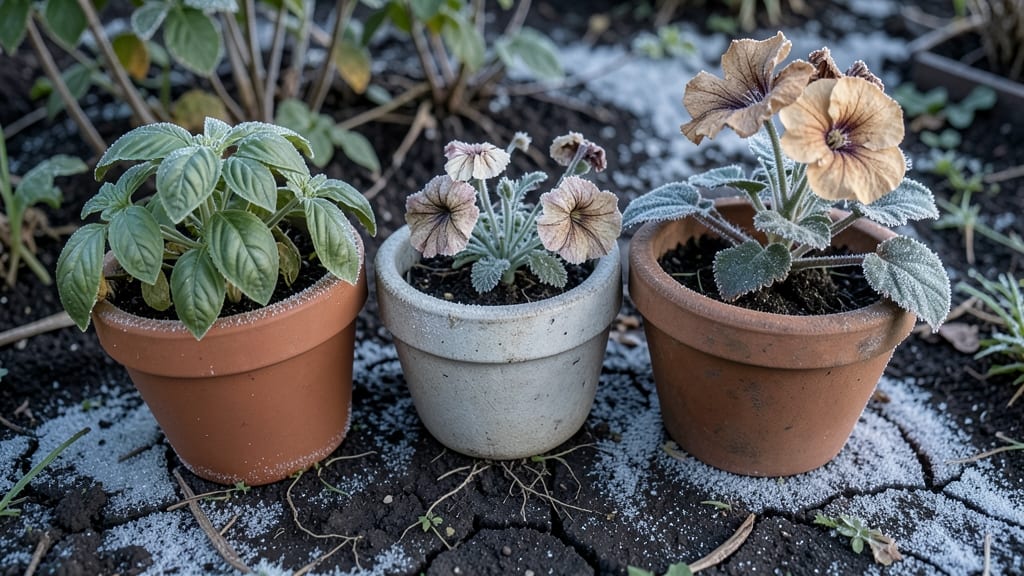
Potted plants are especially vulnerable to frost because their roots lose heat three times faster than in-ground plants. Without protection, the soil can freeze solid overnight, killing tender herbs and annuals like basil, petunias, or geraniums before you even notice.
Start by moving containers close to a south-facing wall or under an eave to capture reflected sunlight. Then, wrap the pot and soil in a thick insulating blanket (like an old quilt or burlap) and secure it with twine. For extra warmth, place a dry straw or bubble wrap layer around the base before adding the blanket. This creates an air pocket that traps heat and prevents soil from freezing.
Urban gardeners and balcony growers will love this method—it’s simple, cost-effective, and works even for small pots. With this insulation, your plants can survive light freezes down to 25°F while staying healthy and ready to bounce back once temperatures rise. 🌱
Natural Frost-Resistant Plant Sprays
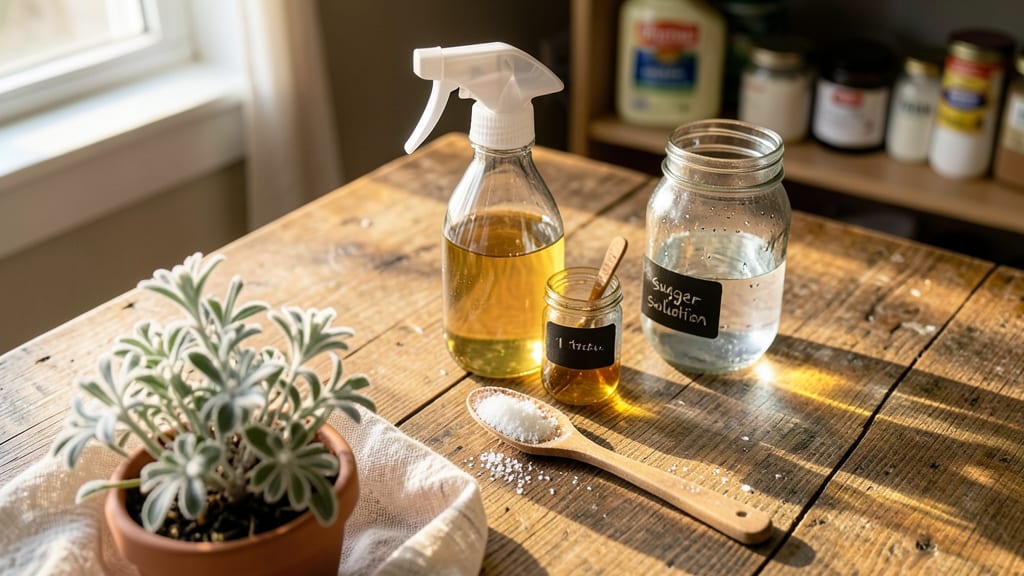
Skip the store-bought frost protectants—your pantry already holds ingredients that can boost your plants' cold resistance naturally. A simple vinegar-water spray (1:1 ratio) lowers plant cell freezing points, while a sugar solution (1 tablespoon per quart of water) provides quick energy for stressed foliage. Even a splash of rubbing alcohol (1 teaspoon per gallon) creates a protective film that shields leaves from ice crystal damage.
For best results, apply these sprays 2-3 days before an expected frost, focusing on tender leaves and new growth. Reapply after heavy rain or if temperatures drop unexpectedly. These solutions work especially well for vegetable seedlings, herbs, and tropical plants that struggle in chilly weather. The alcohol option even helps deter fungal issues that thrive in damp, cold conditions.
This eco-friendly approach is perfect for gardeners who prefer chemical-free solutions or live in areas with unpredictable frost dates. It’s also budget-friendly and requires zero special equipment—just a spray bottle and what you already have at home. 💡
Long-Term Strategies to Strengthen Plant Resilience

Tired of losing plants to surprise frosts year after year? The key to long-term frost resistance lies in proactive soil health and seasonal training—not just emergency fixes. By strengthening your plants' natural defenses now, you'll create a garden that thrives through winter instead of suffering from repeated damage.
Start with soil amendments like compost or aged manure in early fall to improve drainage and nutrient retention. Gradually acclimate tender plants by exposing them to cooler nighttime temperatures for 2-3 weeks before the first frost. For perennials, practice seasonal pruning—cutting back in late winter stimulates new growth that's hardier by summer. These small adjustments build resilience over time, so your plants can handle 20-30°F drops without stress.
This approach works best for gardeners in USDA zones 4-7 who want to reduce frost-related losses. The payoff? Fewer emergency covers needed and healthier plants that bounce back faster after cold snaps. 💪