
Planting
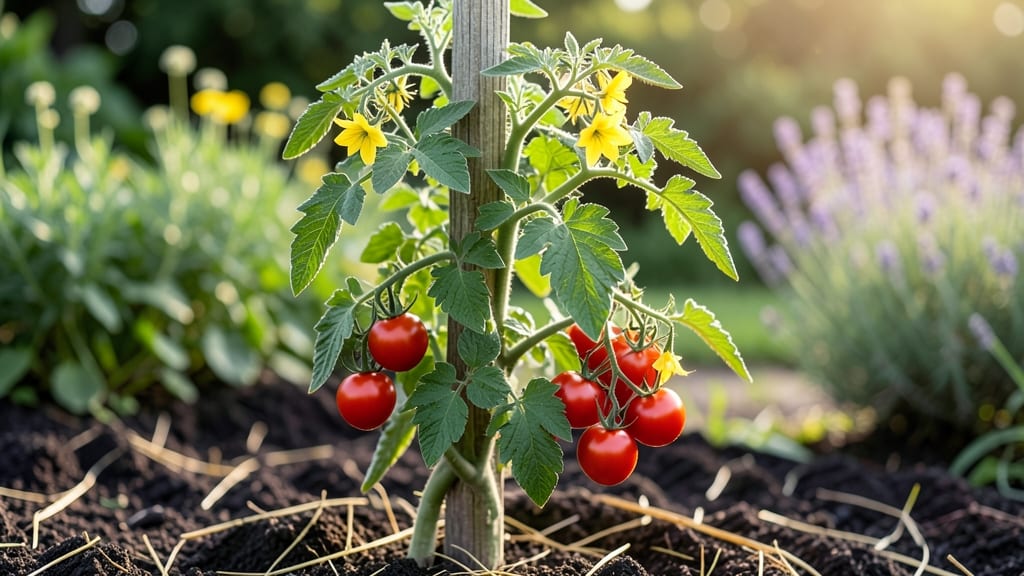
Growing a Jubilee tomato plant means your summer harvest will be legendary—imagine 20-pound tomatoes that thrive when other varieties wilt. 🌞 I've grown these heat-resistant beauties for three seasons now, and they never disappoint, even in 90-degree afternoons.
The secret lies in their deep roots and thick vines, which keep them hydrated and productive when other tomatoes give up.
You'll need a sturdy cage or trellis (these plants get 6-8 feet tall), rich soil mixed with compost, and full sun for at least 6-8 hours daily. Watering is key—deep soaks twice weekly prevent cracking, but avoid overhead watering to keep leaves dry.
The first tomatoes appear around 70 days, and they keep producing until frost if you prune regularly and fertilize lightly every 3 weeks.
What you're really growing is a tomato powerhouse—the kind that makes neighbors ask where you buy them. The flavor is rich, sweet, and meaty, perfect for slicing, sauces, or roasting whole.
Even my black thumb can't kill these, though I did learn that over-fertilizing leads to leafy growth instead of fruit. The payoff? A harvest that feeds a family for weeks.
Works in zones 3-10, though they truly shine in hot climates. Start seeds indoors 6-8 weeks before last frost, or buy sturdy transplants. If you've ever struggled with heat-sensitive tomatoes, Jubilee changes the game—just give them space, water, and a little TLC.
Ready to grow your biggest harvest yet?
📚 In This Guide
- What you need
- Instructions
- Tips and common mistakes
- Wrapping up and next steps
What you need
- ● Jubilee tomato seeds or seedlings: 1–3 plants (depending on space). Look for heirloom, heat-resistant varieties for best results.
- ● Container or garden bed: Containers: At least 5-gallon pots (bigger is better—10+ gallons for larger tomatoes). Use fabric grow bags or plastic pots with drainage holes.
- ● Garden beds: Ensure 6+ feet of space per plant for sprawling vines.
- ● High-quality potting mix: 1–2 bags of organic, well-draining soil (mix in compost for nutrients). Avoid garden soil—it compacts too easily!
- ● Fertilizer: Balanced fertilizer (10-10-10 or 5-5-5): 1–2 applications during planting.
- ● Tomato-specific fertilizer: High in phosphorus (P) and potassium (K) for flowering/fruiting (e.g., 5-10-10).
- ● Organic options: Fish emulsion, compost tea, or worm castings (every 2–3 weeks).
- ● Support system: Cage or trellis: 6–8 ft tall (Jubilees can get tall and heavy!). Use sturdy metal cages or wooden stakes with twine.
- ● Pruning tools: Bypass pruners (sharp and clean) for trimming suckers.
- ● Watering supplies: Drip irrigation or soaker hose: Essential for heat tolerance—avoid overhead watering to prevent disease.
- ○ Watering can (optional): For seedlings or small containers.
- ● Mulch: 2–3 inches of straw or wood chips to retain moisture and regulate soil temp.
- ● Soil amendments: Perlite or vermiculite (10–20% mix) for aeration, or mycorrhizal fungi to boost root health.
- ● Shade cloth (30–50% coverage): For seedlings or extreme heat (100°F+).
- ● Epsom salt: 1 tbsp per gallon of water (monthly) to prevent blossom-end rot.
- ● Pest control: Neem oil or row covers for early-season pests like hornworms.
- ● pH test kit: Jubilee tomatoes thrive in 6.0–6.8 pH—adjust with lime (if too acidic) or sulfur (if too alkaline).
Step-by-step instructions for growing Jubilee tomatoes
Here's how I grow these heat-loving giants—proven methods for robust vines and monster fruit.
🌱 Step 1: Start Seeds Indoors for Early Strength
Sow Jubilee seeds 6-8 weeks before your last frost date in 2-3 inch deep biodegradable pots filled with sterile seed-starting mix. These tomatoes need a long season to reach their full potential, so don't rush germination. I use a seedling heat mat to maintain 75-85°F soil temperatures—this ensures 90% germination within 7-10 days.
Plant seeds ¼ inch deep and cover lightly with additional mix. Mist the surface until evenly moist but not soggy. The key here is patience—overwatering at this stage causes damping-off, which will kill seedlings before they even sprout. Once germination begins, remove any protective cover immediately to prevent fungal growth.
☀️ Step 2: Provide Optimal Light for Stocky Growth
Jubilees need 14-16 hours of light daily from day one. A south-facing window won't cut it—you'll end up with leggy, weak plants that never recover. I use a full-spectrum LED grow light positioned 2-4 inches above seedlings, raising it gradually as they grow. You'll know your light setup is working when seedlings develop thick stems and dark green leaves spaced closely together.
Rotate pots a quarter turn daily to prevent uneven growth toward the light source. If you notice stems stretching excessively (more than 3 inches between leaves), your light is too far away. Strong seedlings should have compact spacing between leaves and never appear pale or elongated.
🪴 Step 3: Transplant After Hardening Off
Begin hardening off seedlings 2 weeks before your last frost date by placing them outside in a sheltered spot for 1-2 hours daily, gradually increasing exposure over 10-14 days. Jubilees are heat-tolerant but need time to acclimate to outdoor conditions. Choose a planting site with full sun exposure (minimum 8 hours daily) and well-draining soil—these tomatoes hate soggy roots.
Dig holes twice as wide as the root ball and space plants 3-4 feet apart in all directions. The extra space gives vines room to sprawl without competition. Bury stems slightly deeper than in containers—this encourages stronger root development. Water deeply immediately after transplanting to settle the soil and reduce shock.
💧 Step 4: Maintain Consistent Moisture and Fertility
Jubilees thrive with 1-2 inches of water weekly, delivered at the base of the plant to prevent fungal diseases. I use a drip irrigation system set to water early morning when evaporation is lowest. The goal is to keep soil evenly moist but never waterlogged—these tomatoes grow best with consistent moisture but will crack if soil dries out completely between waterings.
Feed plants every 3-4 weeks with a balanced 10-10-10 fertilizer until flowering begins, then switch to a low-nitrogen, high-phosphorus formula (like 5-10-10) to promote fruiting. You'll notice the difference immediately—plants will develop more flowers and set fruit more aggressively. Prune suckers regularly to direct energy into fruit production rather than excessive foliage.
✂️ Step 5: Support Vines and Harvest at Peak Ripeness
Install 6-8 foot tall stakes or cages at planting to support the heavy vines. Jubilees can reach 6-8 feet tall with proper care, and those vines need sturdy support to prevent breakage. Weave main stems through the stakes as they grow, securing with soft ties every 12-18 inches. This vertical growth maximizes sunlight exposure and air circulation, reducing disease risk.
Harvest tomatoes when they reach full color and yield slightly to gentle pressure. Don't wait for them to ripen on the vine—Jubilees are prone to cracking if left too long. The flavor peaks when tomatoes are deep red all over with a slight give when squeezed. Store harvested tomatoes at room temperature until fully ripe for best flavor development.
Tips & tricks for growing heat-proof tomato vines
Here's what nobody tells you about cultivating those legendary 20-pound tomatoes—lessons learned from my own trial-and-error seasons.
Germination Secrets: That 75-85°F soil temperature is non-negotiable for Jubilee seeds. I've tried skipping the heat mat in cooler homes, and germination drops to a miserable 50%. If your home stays below 70°F, consider using a seedling heat mat or even a warm spot on top of your fridge. Pro tip: Place a small fan nearby to create gentle airflow—this prevents fungal issues while maintaining humidity. The 7-10 day window is just a guideline; some seeds germinate faster, especially in optimal conditions.
Lighting Strategy: The 14-16 hours of light requirement is where most beginners fail. I recommend setting a timer for your grow lights—consistency is everything. If you notice seedlings stretching toward the light (more than 3 inches between leaves), they're desperate for more. Adjust your light height immediately: seedlings should be 2-4 inches below the bulb, and you'll see that compact growth pattern return within 24 hours. For extra insurance, supplement with a reflective surface behind the seedlings to bounce more light onto their undersides.
Transplanting Wisdom: Those 3-4 feet spacing requirements might seem excessive, but trust me on this—crowded Jubilees produce smaller fruit and struggle with disease. I've seen gardeners try to squeeze them closer, and their vines become tangled, leading to poor air circulation. When transplanting, bury the stem slightly deeper than in containers—this encourages stronger root development. Water deeply after planting to eliminate air pockets around the roots, and consider adding a handful of compost to each hole for extra nutrients during the critical establishment phase.
Watering Watch: The 1-2 inches weekly guideline is perfect, but timing matters just as much. Water in the early morning so foliage dries completely before evening—this prevents fungal diseases like blight. I've found that mulching with straw helps maintain even moisture while reducing evaporation. One common mistake is watering from above; always direct water at the base of the plant to keep leaves dry. If you notice the soil pulling away from the pot edges during transplanting, it's a sign your seedlings were water-stressed—give them a good drink immediately to recover.
Pro Tips for Jubilee Tomato Plant
- Here's what nobody tells you about cultivating those legendary 20-pound tomatoes—lessons learned from my own trial-and-error seasons.
- Germination Secrets: That 75-85°F soil temperature is non-negotiable for Jubilee seeds.
- Lighting Strategy: The 14-16 hours of light requirement is where most beginners fail.
Frequently asked questions
Got questions about growing the Jubilee tomato plant? You’re not alone—this heat-loving giant has its quirks! Below, we’ve rounded up the most common queries to help you cultivate those 20-pound beauties with confidence.
How long does it take for a Jubilee tomato plant to produce fruit?
The Jubilee tomato plant typically takes 70–85 days from transplant to first harvest, depending on your climate. In hotter regions, it may fruit faster (as early as 60 days!) because it thrives in heat. Patience pays off—these vines reward you with heavy yields once established. Pro tip: Prune suckers early to redirect energy to fruit production!
Can Jubilee tomatoes handle extreme heat (like 90°F+)?
The Jubilee is heat-tolerant and even prefers warm weather (unlike many heirlooms that bolt in heat). However, consistent moisture is key—water deeply 2–3 times weekly to prevent blossom drop. Mulch with straw to retain soil coolness and protect roots. Hot tip: Avoid overhead watering during peak sun to prevent sunscald.
What’s the best way to support a Jubilee tomato plant’s massive vines?
These vines can grow 6–8 feet tall and produce heavy fruit, so sturdy support is a must. Use a 10-foot-tall trellis, cage (5+ feet), or Florida weave system with wide spacing (3–4 feet between plants). Secure vines with soft ties or old T-shirts to avoid damaging stems. Grow hack: Train the main stem vertically early to encourage upward growth.
What pests or diseases should I watch for with Jubilee tomatoes?
Jubilees are generally disease-resistant, but watch for hornworms, aphids, and whiteflies (they love the big leaves!). Fungal issues like early blight can occur in humid climates—space plants for airflow and avoid wetting foliage. Prevention tip: Apply neem oil or introduce beneficial nematodes at the first sign of pests.
Can I grow Jubilee tomatoes in containers? What size pot do I need?
Yes! Jubilee tomatoes thrive in containers if given enough space. Use a 5-gallon pot or larger (at least 18–24 inches deep) with well-draining soil and a trellis. Dwarf varieties may work in smaller pots, but full-sized Jubilees need room to sprawl. Container tip: Fertilize weekly with a balanced tomato feed to compensate for limited root space.
Wrapping up and next steps
Growing a jubilee tomato plant is a rewarding journey that brings big flavors and even bigger harvests to your garden! 🌱 With its heat-resistant vines and potential for 20-pound tomatoes, this variety is perfect for both beginners and seasoned gardeners.
Whether you’re dreaming of homemade sauces, fresh salads, or showstopping centerpieces, the key is patience, proper care, and a little love.
Now that you’re armed with the right knowledge, roll up your sleeves and get planting! Start small, experiment with containers or in-ground beds, and watch your jubilee tomatoes thrive. Happy growing—and may your harvest be plenty! 🍅✨