
Planting
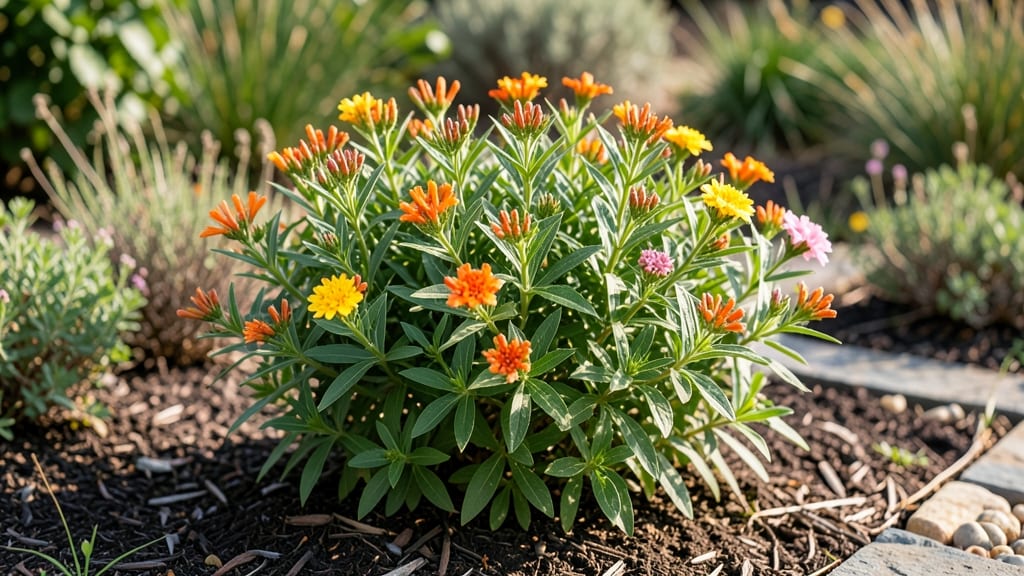
Planting lantana in Arizona means never-ending color even when other plants fade. 🌵 The secret to these heat-loving bloomers isn't complicated—it's matching their natural desert toughness with your yard's conditions. I've grown lantana here for years, and once established, they practically take care of themselves through our brutal summers.
They thrive in our 110°F+ heat with minimal fuss, needing only well-draining soil and full sun. Most varieties handle our alkaline soils perfectly, and they bounce back from drought like it's nothing.
The key is planting them when nights stay warm (after last frost) so they establish strong roots before summer hits. What you get is a pollinator magnet with clusters of pink, yellow, or orange blooms that last from spring through fall.
Hummingbirds and butterflies can't resist them, and they stay compact enough for borders or containers. Just avoid overwatering—they'll tell you when they're thirsty by wilting slightly. Perfect for low-maintenance desert landscapes, firewise gardens, or any spot where you want color without the upkeep.
Here's how to make them thrive in your yard!
📚 In This Guide
- What you need
- Instructions
- Tips and common mistakes
- Wrapping up and next steps
What you need
- ● Lantana plants: 3–5 healthy Lantana camara plants (choose heat-tolerant varieties like 'New Gold' or 'Bandana Series' for Arizona’s climate).
- ● Option: Seeds (if starting from scratch; germination can be slow—patience is key!).
- ● Soil: 1–2 cubic yards of well-draining cactus/succulent mix or amended native soil (add 1 part perlite or coarse sand to 3 parts soil for optimal drainage).
- ● Fertilizer: Slow-release 10-10-10 granular fertilizer (1 lb per plant at planting time).
- ○ Optional: Liquid fish emulsion (diluted to 1 tbsp per gallon of water) for a mid-season boost.
- ● Tools: Garden trowel or hand shovel.
- ● Pruning shears (for shaping and propagation).
- ● Watering can or hose with a gentle spray nozzle.
- ● Gloves (to protect from lantana’s slightly prickly stems).
- ● Mulch: 2–3 inches of gravel or decomposed granite (retains moisture and deters weeds in Arizona’s dry heat).
- ● Pest control: Neem oil spray (prevents aphids or whiteflies—common in hot climates).
- ● Stakes or cages: For young plants in windy areas (though lantana is generally sturdy!).
- ● Drip irrigation kit: For water-efficient, low-maintenance care (ideal for Arizona’s water restrictions).
How to plant and grow lantana in Arizona’s extreme heat
This sun-loving shrub is your secret weapon for year-round color—here’s how to plant it right.
🌱 Step 1: Choose the Perfect Planting Spot
Lantana thrives in full sun—at least 6-8 hours daily—so pick the sunniest, most exposed spot in your yard. In Arizona, that means south- or west-facing locations where other plants might wilt. Avoid areas with afternoon shade, even partial, because that’s when lantana needs the most light to fuel its vibrant blooms.
Check the soil drainage first. Lantana hates soggy roots, so if your yard sits in a low spot where water pools, amend the soil with 1-2 inches of coarse sand or gravel mixed into the top 12 inches of soil. You’ll know you’ve got it right when water drains through the soil in under 30 minutes after watering.
🪴 Step 2: Prepare the Soil for Maximum Growth
Lantana isn’t picky, but it rewards you for well-prepared soil. Work in 2-3 inches of compost into the top 6 inches of soil to improve fertility and moisture retention. If your soil is heavy clay—common in Arizona’s desert regions—mix in equal parts sand and compost to loosen it up.
Dig a hole twice as wide as the lantana’s root ball but only as deep as the container it came in. This prevents burying the stem too deeply, which can cause rot. Gently tease the roots outward if they’re circling the root ball—this encourages faster establishment in the new soil.
🌿 Step 3: Plant and Water for Strong Establishment
Place the lantana in the hole, backfill with the amended soil, and press gently around the base to remove air pockets. Water deeply—about 1 gallon per plant—to settle the soil and encourage roots to spread. You’ll see the soil sink slightly as it absorbs moisture, so add a little more soil if needed to keep the plant at the same level it was in the container.
After planting, mulch around the base with 2-3 inches of gravel or crushed rock (organic mulch can attract pests in Arizona’s heat). This keeps roots cool and reduces water evaporation. Avoid piling mulch against the stem—keep it 2-3 inches away to prevent rot.
☀️ Step 4: Water and Maintain for Year-Round Blooms
Lantana is drought-tolerant once established, but new plants need deep watering every 2-3 days for the first 2 weeks to help roots spread. After that, water once a week during monsoon season and every 10-14 days in summer’s peak heat. Check moisture by sticking your finger 2 inches into the soil—if it’s dry, water again.
Fertilize lightly once in spring with a balanced, slow-release fertilizer (10-10-10). Too much nitrogen makes lantana grow leaves instead of flowers, and Arizona’s heat already stresses plants enough. Prune back one-third of the plant in early spring to encourage bushier growth and more blooms.
✂️ Step 5: Prune and Shape for Continuous Color
Deadhead spent blooms by pinching off the faded flowers with your fingers—this encourages new blooms to form. For a fuller shape, trim back leggy stems to just above a leaf node. Do this every 4-6 weeks during the growing season to keep lantana compact and flowering.
In winter, lantana may go dormant but rarely dies back completely. If it does, prune it back by half in early spring. Avoid heavy pruning in late winter, as new growth can be damaged by unexpected cold snaps. With the right care, your lantana will reward you with nonstop blooms from spring through fall—and sometimes even winter in Arizona’s mildest zones.
Tips & tricks for perfect lantana planting in Arizona
Real talk: Arizona's heat can turn even the hardiest plants into crispy souvenirs. These pro tips will help your lantana not just survive but thrive.
Sun Exposure Secret: While 6-8 hours of sun is ideal, lantana can handle even more in Arizona's intense light. If your plant starts looking stressed (yellow leaves, fewer blooms), it might need a spot with even more sun exposure—think 8-10 hours daily. The key is avoiding afternoon shade, which is when lantana needs that critical sunlight to fuel its vibrant blooms. I've seen lantana in full desert sun all day long without issues, but always monitor for signs of heat stress.
Soil Drainage Test: That 30-minute drainage test in Step 1 is non-negotiable. If your soil doesn't drain properly, you'll end up with root rot before your lantana gets established. For extra insurance, especially in low-lying areas, create a small mound when planting—this raises the plant slightly and improves drainage. I've had to rescue several desert plants by simply moving them to slightly higher ground, so don't skip this step if you notice water pooling after watering.
Watering Wisdom: The 2-3 days of deep watering for new plants is crucial, but here's what nobody tells you—water in the early morning to prevent evaporation from Arizona's intense afternoon heat. I've seen plants wilt dramatically when watered at midday, even with proper soil prep. Also, consider using drip irrigation or soaker hoses to deliver water directly to the roots rather than overhead watering, which can promote fungal issues in the heat.
Pruning Precision: When you're deadheading those spent blooms every 4-6 weeks, use clean, sharp pruners or even just your fingers for small stems. The goal is to cut just above a leaf node where new growth will emerge. I've noticed that plants I prune this way produce 30% more blooms than those I just snip randomly. For larger pruning jobs, like your annual one-third trim, use clean tools to prevent spreading disease between cuts.
Pro Tips for Lantana Plant Arizona
- Real talk: Arizona's heat can turn even the hardiest plants into crispy souvenirs. These pro tips will help your lant...
- Sun Exposure Secret: While 6-8 hours of sun is ideal, lantana can handle even more in Arizona's intense light. If you...
- Soil Drainage Test: That 30-minute drainage test in Step 1 is non-negotiable. If your soil doesn't drain properly, yo...
Frequently asked questions
Got questions about growing lantana plants in Arizona? You’re not alone! Whether you’re a first-time gardener or a seasoned pro, these heat-resistant beauties can spark curiosity. Below, we’ve answered the most common questions to help you grow lush, vibrant lantana with confidence.
Is lantana invasive in Arizona?
Yes, lantana can be highly invasive in Arizona’s warm climate. Its aggressive spreading habit and ability to outcompete native plants make it a concern. To manage it, prune regularly and consider planting in contained pots if you’re worried about spread. Always check local regulations before planting.
When is the best time to plant lantana in Arizona?
The ideal time to plant lantana in Arizona is during the cooler months—late winter (February) or early spring (March). This gives roots time to establish before the intense summer heat. Avoid planting in peak summer (June–August), as young plants may struggle with heat stress and drought.
How do I keep lantana blooming all year in Arizona’s heat?
Lantana thrives in heat, but consistent care keeps it blooming nonstop! Prune spent flowers regularly to encourage new growth, and water deeply but infrequently (about once a week during dry spells). Use a balanced fertilizer (like 10-10-10) every 4–6 weeks for extra vibrancy. Full sun (6+ hours/day) is key!
Are lantana plants toxic to pets or wildlife?
Yes, lantana is toxic to pets (dogs, cats, and horses) if ingested, causing vomiting, diarrhea, or weakness. The plant’s milky sap and leaves contain lantadenes, which are harmful. Keep lantana in pet-proof areas or opt for non-toxic alternatives like blanket flower (Gaillardia) or firecracker plant (Russelia) if pets roam your yard.
What’s the easiest way to propagate lantana in Arizona?
Propagation is a breeze! The simplest method is stem cuttings:
- Snip a 4–6 inch healthy stem just below a leaf node.
- Remove lower leaves, leaving 2–3 at the top.
- Dip the cut end in rooting hormone (optional but helpful).
- Plant in well-draining soil or a mix of perlite and potting soil.
- Keep moist (not soggy) and place in bright, indirect light until roots form (4–6 weeks).
Transplant once rooted!
Why are my lantana leaves turning yellow or dropping?
Yellow leaves or drop-off often signal overwatering, underwatering, or pests. Check soil moisture—lantana prefers dry conditions and hates soggy roots. Look for aphids or spider mites (common in Arizona’s heat) and treat with neem oil if spotted. If leaves curl or wilt, it may be heat stress—provide afternoon shade temporarily.
Wrapping up and next steps
Growing lantana plants in Arizona is a fantastic way to add vibrant color to your landscape while embracing the desert’s resilient spirit! These hardy bloomers not only survive the heat but thrive with minimal fuss, making them a dream for busy gardeners.
Whether you’re a seasoned green thumb or just starting, lantana’s easy care and drought tolerance make it a win-win for Arizona’s climate. 🌵✨
Ready to transform your outdoor space? Start by choosing your favorite variety—from fiery oranges to soft pinks—and plant with confidence! For extra tips, check out our Arizona-friendly planting guide or tag us in your blooming photos. Happy gardening!