
Planting
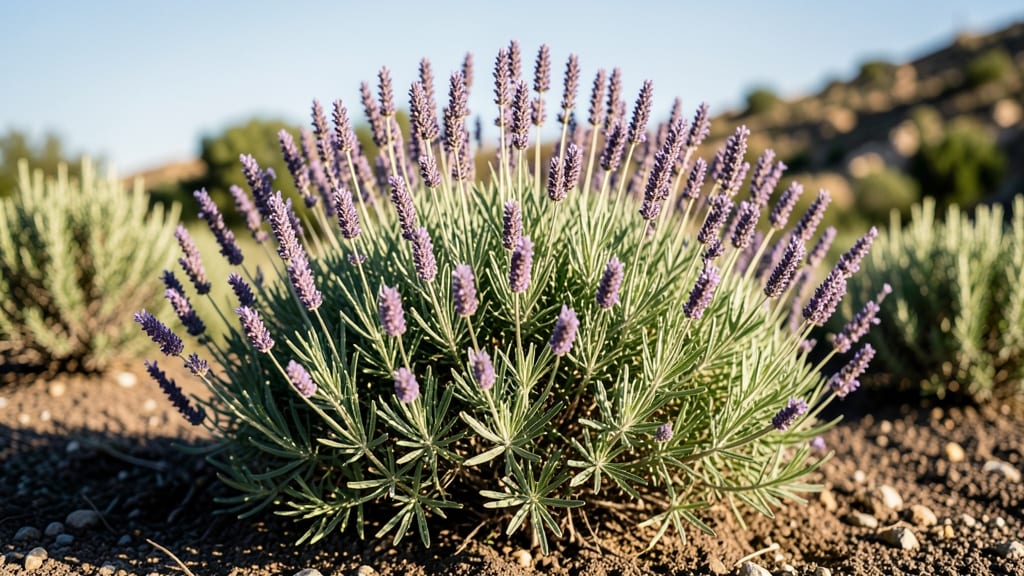
Deciding between a lavender plant vs Russian sage means choosing your ideal fragrant, low-maintenance workhorse—both excel in hot, dry climates but offer strikingly different textures and scents. 🌿 I’ve grown both in my drought-prone garden, and while lavender’s silvery foliage and purple spikes scream "Mediterranean retreat," Russian sage’s airy blue flowers and silvery stems bring a wild, prairie charm that hummingbirds adore.
Lavender demands well-draining soil and full sun to prevent woody stems, while Russian sage tolerates poorer soil and even light shade—making it the more forgiving pick for rocky or sandy spots.
Watering is where they diverge: lavender hates soggy roots, while Russian sage’s deep taproot lets it survive on rainfall alone once established. The payoff?
Lavender’s intense, floral aroma and culinary uses (think tea, sachets) can’t be beat, but Russian sage’s longer bloom time (July through frost) and pollinator magnet status make it the hands-off winner for lazy gardeners.
Both resist deer and pests, but Russian sage’s disease-free track record gives it an edge in humid summers. For borders, lavender’s compact forms create neat edges, while Russian sage’s 3-4 foot height adds drama to perennial beds. Need a low-maintenance, drought-proof star? Russian sage.
Craving fragrant bundles and culinary versatility? Lavender. Both earn their place—just pick your priority.
The first product explained
Meet the Lavender Plant (Lavandula spp.)—your go-to for soothing fragrance, vibrant blooms, and effortless charm! 🌿✨ This aromatic perennial is a staple in gardens, offering both beauty and utility with its calming scent and versatile uses. Whether you're a seasoned gardener or a beginner, lavender is a low-maintenance superstar that thrives in sunny spots and well-drained soil.
📏 Specs & Features
Lavender plants typically grow 1–3 feet tall and 1–5 feet wide, depending on the variety. Their slender, silvery-green foliage and spikes of purple, pink, or white flowers make them a showstopper in borders, containers, or even as a fragrant hedge. Here’s what sets them apart:
- Fragrance: A signature floral, herbal scent that repels pests and attracts pollinators.
- Drought-tolerant: Once established, lavender loves dry conditions and minimal watering.
- Sunlight: Requires full sun (6+ hours daily) for optimal growth and blooming.
- Soil: Thrives in well-draining, alkaline soil (pH 6.5–7.5). Avoid soggy roots!
- Hardiness: Most varieties survive in USDA Zones 5–9, though some are tender perennials.
🎯 Target Users
Lavender is perfect for:
- 🌸 Gardeners seeking low-maintenance, fragrant perennials.
- 🏡 Homeowners looking to add texture and scent to landscapes.
- 🍃 DIYers who love crafting sachets, potpourri, or homemade lavender oil.
- 🐝 Eco-conscious plant lovers—lavender attracts bees and deters pests naturally.
- 🛁 Wellness enthusiasts who enjoy its calming aroma for relaxation or aromatherapy.
💰 Price Point
Prices vary based on size and variety, but here’s a general range:
| Type | Price Range |
|---|---|
| Small nursery plants (4–6 inches) | $8–$15 each |
| Larger plants (gallon pots, 1–2 feet tall) | $15–$30 each |
| Bulk or wholesale (10+ plants) | $5–$12 each |
| Seeds (for growing from scratch) | $2–$5 per packet |
Pro Tip: 💡 Check local plant sales or online retailers like Etsy or Burpee for deals, especially in early spring or fall!
The second product explained
Meet Russian Sage (Perovskia atriplicifolia)—the hardy, drought-tolerant superstar that brings effortless elegance and long-lasting fragrance to your garden! 🌿✨ If you're looking for a low-maintenance perennial that thrives in tough conditions while adding a touch of silvery-blue magic, this is your plant.
📏 Specs & Features
Russian Sage is a deciduous shrub that grows 3–5 feet tall and 3–4 feet wide, making it perfect for borders, cottage gardens, or as a backdrop for shorter plants.
Its aromatic, lavender-like foliage releases a subtle, refreshing scent when brushed, and its spiky, purple-blue flower spikes bloom from mid-summer to fall, providing months of color.
- Hardiness: Zones 4–9 (survives winter freezes like a champ!)
- Light: Full sun (at least 6–8 hours daily for best blooms)
- Soil: Well-draining, adaptable to poor or rocky soil (great for xeriscaping!)
- Water: Drought-tolerant once established (water deeply but infrequently)
- Growth Rate: Moderate to fast (expect noticeable growth in a single season!)
- Wildlife Appeal: Attracts butterflies and bees (pollinator-friendly!)
- Deer Resistance: Moderately deer-resistant (though not deer-proof)
🎯 Who’s It For?
Russian Sage is the ideal choice for:
- 🌵 Dry-climate gardeners (thrives in heat and drought)
- 🏡 Low-maintenance plant lovers (minimal pruning, pest-resistant)
- 🐝 Eco-conscious gardeners (supports pollinators)
- 🏡 Urban or small-space gardeners (compact varieties available)
- 💙 Purple-blue enthusiasts (stunning contrast to greens and yellows)
💰 Price Point & Availability
Russian Sage is budget-friendly and widely available, with prices varying based on size and supplier:
| Type | Price Range (USD) | Where to Buy |
|---|---|---|
| 1-gallon container | $10–$20 | Local nurseries, Home Depot, Lowe’s |
| 3-gallon container | $20–$35 | Specialty garden centers, Etsy, rare plant shops |
| Seeds (packets) | $3–$8 | Burpee, Amazon, Seed Savers Exchange |
Pro Tip: 💡 Look for ‘Little Spire’ or ‘Blue Spire’ varieties for a more compact, bushier look!
Head-to-head comparison
Ready to dive into the fragrant showdown? Let’s pit lavender against Russian sage head-to-head so you can pick the perfect perennial for your garden, patio, or even your culinary adventures!
Whether you’re chasing that dreamy lavender scent or the striking purple spikes of Russian sage, this comparison will help you decide which plant steals the spotlight in your space. 🌿✨
🌱 Performance in Different Climates
Both lavender and Russian sage are tough cookies, but they thrive under slightly different conditions. Here’s how they stack up:
| Factor | Lavender | Russian Sage |
|---|---|---|
| USDA Hardiness Zones | Zones 5–9 (some varieties tolerate Zone 4 with protection) | Zones 4–9 (more cold-hardy overall) |
| Heat Tolerance | Loves full sun and heat; can struggle in humidity | Thrives in heat but handles humidity better than lavender |
| Drought Resistance | ⭐⭐⭐⭐ (Drought-tolerant once established) | ⭐⭐⭐⭐⭐ (Extremely drought-resistant) |
| Soil Preferences | Well-draining, alkaline soil (hates soggy roots!) | Adaptable but prefers well-draining, slightly alkaline soil |
Pro tip: 💡 If you live in a hot, dry climate, Russian sage might be your best bet. For Mediterranean vibes with a fragrant twist, lavender is unbeatable!
🌸 Features and Aesthetics
Let’s talk curb appeal! These two plants bring very different energies to your garden.
- Lavender:
- 🌿 Fragrance: Unmistakable, calming lavender scent (especially when brushed against).
- 🌸 Blooms: Purple, pink, or white flower spikes (June–August).
- 🍃 Foliage: Narrow, silvery-green leaves that add texture.
- 🏡 Best for: Borders, rock gardens, containers, or culinary/herbal use.
- Russian Sage:
- 🌿 Fragrance: Light, citrusy scent (subtler than lavender but still lovely).
- 🌸 Blooms: Tall, airy spikes of lavender-blue flowers (July–September).
- 🍃 Foliage: Soft, gray-green leaves with a fuzzy texture.
- 🏡 Best for: Back of borders, prairie-style gardens, or cutting gardens.
Pro tip: 🎯 For a low-maintenance, high-impact look, Russian sage’s towering blooms make it a star in wildflower meadows. If you want scent + versatility, lavender wins for its dual-purpose charm!
💰 Price and Availability
Budget-friendly or splurge-worthy? Here’s the scoop on where to find these plants and what to expect to pay.
| Factor | Lavender | Russian Sage |
|---|---|---|
| Average Cost (Per Plant) | $8–$20 (nursery-grown; cheaper in bulk or from seed) | $10–$25 (slightly pricier due to popularity in drought-tolerant gardens) |
| Best Places to Buy | Local nurseries, online seed shops (e.g., Baker Creek, Etsy), or big-box stores (e.g., Home Depot) | Specialty nurseries, online retailers (e.g., Plant World Seeds), or native plant sellers |
| Seed vs. Transplant | Seeds are cheap ($2–$5 per packet) but slower to mature; transplants bloom faster. | Seeds are affordable ($3–$8 per packet) and grow quickly; transplants are pricier but foolproof. |
Pro tip: 🔥 For bulk planting, seeds are the way to go—both plants are easy to grow from seed if you’re patient! If you want instant gratification, grab a few nursery transplants to jumpstart your garden.
🛡️ Durability and Low-Maintenance Perks
No one wants a high-maintenance diva in their garden. Here’s how these two hold up over time.
| Factor | Lavender | Russian Sage |
|---|---|---|
| Ease of Growth | Moderate—needs well-draining soil and pruning to prevent woody stems. | Easy! Thrives with minimal intervention once established. |
| Pruning Needs | Requires annual pruning (after blooming) to encourage bushiness. | Minimal pruning—just trim back in early spring to shape. |
| Pest/Disease Resistance | Generally pest-resistant but can attract aphids or suffer from root rot in poor soil. | Highly resistant to pests and diseases; deer tend to avoid it! |
| Lifespan | 3–5 years (can be revived with proper care). | 5–10+ years (long-lived perennial with minimal fuss). |
Pro tip: 🌡️ If you’re new to gardening, Russian sage is the chill plant of the duo—it’s nearly indestructible! Lavender, while lovely, needs a little more TLC (think: pruning and soil prep) to stay happy.
🌿 Bonus Uses Beyond the Garden
Why stop at pretty blooms? Both plants have practical perks beyond their ornamental value.
- Lavender:
- 🛁 Relaxation: Dried flowers for sachets, pillows, or DIY lavender oil.
- 🍳 Culinary: Cook with dried lavender in baked goods, teas, or honey infusions.
- 💆 Wellness: Known for cal
Which one should you choose?
So, which fragrant perennial wins your garden—lavender or Russian sage? The answer depends on your climate, goals, and maintenance style! Here’s a tailored verdict to help you decide:
🌿 Pick Lavender If...
- You crave a Mediterranean vibe: Lavender thrives in hot, dry climates (Zones 5-9) and exudes that classic Provence charm. 🏡✨
- You love versatility: Use it for culinary infusions, sachets, or even skincare—lavender is a multi-purpose powerhouse!
- You prefer low-maintenance beauty: Once established, it’s drought-tolerant and needs minimal pruning (just trim after flowering).
- You adore bees and butterflies: Lavender’s blooms are a pollinator magnet! 🐝🌼
🌵 Pick Russian Sage If...
- You live in a cooler or drier region (Zones 4-9):** Russian sage handles heat and cold better than lavender, making it a resilient all-rounder.
- You want long-lasting color: Its silvery foliage and purple spikes bloom late summer to fall, extending your garden’s season.
- You prefer deer-resistant plants: Russian sage is less appealing to pests, so it’s a great choice for wildlife-prone areas.
- You love a "wild but structured" look:** Its airy, upright growth adds height and texture without needing staking.
💡 Pro Tip for Undecided Gardeners:
Why not both? They’re complementary! Plant lavender in sunny borders for fragrance and color, then tuck Russian sage in the background for height and late-season interest. 🌟 Plus, their contrasting textures create a stunning visual contrast.
Final Thought: Lavender is your aromatic, culinary star, while Russian sage is the hardy, low-fuss showstopper. Choose based on your climate, needs, and whether you prioritize scent, structure, or seasonal blooms! 🌸🌿