
Planting
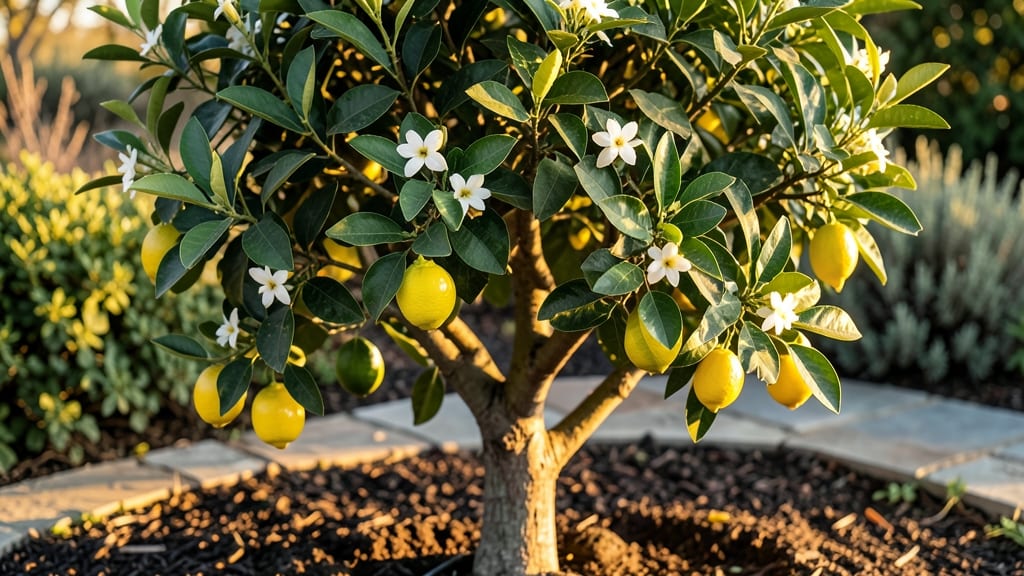
Growing a lemon peel plant is simpler than you think—just save that peel after breakfast and give it a chance to root. 🌱 The trick lies in patience and the right conditions, because what starts as a kitchen experiment can turn into a fragrant, decorative plant with a little citrus magic.
Most people assume lemon peels won’t root, but with the right soil mix—moist sphagnum moss or a blend of potting soil and perlite—you’ll see tiny roots forming in about 4-6 weeks.
Keep the container in bright, indirect light and mist the soil regularly to maintain humidity without drowning the peel. By month three, you might spot new growth, though it’s not uncommon for peels to take longer or even fail entirely.
That’s where creativity comes in: failed peels make excellent compost or can be repurposed into homemade cleaning solutions. Success, however, rewards you with a plant that smells like sunshine and adds a whimsical touch to your herb garden.
The real beauty of this project is its adaptability—it thrives in small containers, making it perfect for windowsills or sunny patios. If you’re growing it indoors, rotate the pot occasionally to ensure even light exposure.
Outdoor growers can transplant it once roots establish, though it prefers partial shade to avoid leaf scorch.
Even if the peel doesn’t root, the process teaches valuable lessons about moisture balance and plant resilience. And if it does? You’ve just created a living reminder of how simple gardening can be—starting with something as ordinary as a lemon peel.
📚 In This Guide
- What you need
- Instructions
- Tips and common mistakes
- Wrapping up and next steps
What you need
- ● Lemon peels: 3–5 organic, pesticide-free peels (thicker, unblemished sections work best). Pro tip: Save peels from fresh, unwaxed lemons for optimal results!
- ● Small containers: 4–6 oz (120–180 mL) pots with drainage holes (e.g., yogurt cups, plastic cups with punched holes, or mini terracotta pots).
- ● Potting soil: 1–2 cups of well-draining, seed-starting mix (or a blend of 50% peat moss + 50% perlite).
- ● Watering can or spray bottle: With a fine mist nozzle for gentle hydration.
- ○ Twine or toothpicks: To secure peels in place (optional but helpful).
- ● Rooting hormone: Speeds up growth (gel or powder form).
- ● Clear plastic wrap: Creates a mini greenhouse effect to retain moisture.
- ○ Lemon juice or water: 1 tbsp per cup of water for a nutrient boost (optional).
- ● Grow lights or sunny windowsill: 6+ hours of indirect light daily.
How to grow a lemon peel plant in containers
Here's the simple method I use to grow fragrant lemon peel plants from grocery store scraps.
🌱 Step 1: Prepare Your Lemon Peel Starter
Start with a fresh lemon peel—save the thickest, juiciest section with some pith still attached. Cut it into 1-inch wide strips and let them dry completely on a paper towel for 24 hours. This prevents rot and helps the peel establish roots faster. I like to place them near a sunny window while they dry so they get a head start on light.
Once dry, gently score the bottom of each strip with a sharp knife—this creates tiny wounds that encourage root growth. Don't cut too deep; just make a few light slashes. Place the strips in a glass of room-temperature water, ensuring the scored end is submerged. You'll see tiny bubbles form within a few hours—that's your first sign of root activity.
💧 Step 2: Encourage Root Growth in Water
Change the water every 2-3 days to keep it fresh and oxygenated. You'll notice roots beginning to sprout in about 1-2 weeks, starting as delicate white tendrils. Keep the glass in bright, indirect light—direct sun can overheat the water and stress the developing roots.
Here's the thing—don't rush to transplant just because roots appear. Wait until they reach about 1-2 inches long. This ensures your peel plant has enough strength to handle the transition. I usually give mine 3-4 weeks in water before moving them to soil, which gives roots plenty of time to establish.
🪴 Step 3: Plant in Containers with Drainage
Use the 4-inch diameter containers you've prepared, each with drainage holes. Fill them with well-draining potting mix—I mix regular potting soil with 20% perlite to prevent compaction. Make a small hole in the center of each pot and gently place your rooted lemon peel strip into it, covering the roots with soil but leaving the top portion exposed.
Press the soil lightly around the base to secure the plant. Water gently until it drains from the bottom, then let it sit for 10 minutes to settle. The key here is to avoid overwatering—lemon peel plants are sensitive to soggy roots. You'll know you've done it right when the soil feels moist but not wet to the touch.
☀️ Step 4: Provide Light and Care for Growth
Place your containers in a spot with bright, indirect light for the first week. This helps them adjust to their new environment without shock. After that, gradually introduce 4-6 hours of morning sun daily. You'll see new growth appear within 2-3 weeks—tiny leaves will emerge from the top of the peel, signaling successful establishment.
Water when the top inch of soil feels dry, usually every 5-7 days. Lemon peel plants are drought-tolerant once established, but they need consistent moisture while growing. I like to use a spray bottle for light misting, which keeps the air around the plant humid and encourages lush foliage.
✂️ Step 5: Prune and Maintain Your Plant
Once your lemon peel plant grows to about 6 inches tall, it's time to prune. Trim the top growth just above a set of leaves to encourage bushier growth. This also prevents the plant from becoming leggy. I usually do this in early spring to give the plant a fresh start for the growing season.
Fertilize lightly every 4-6 weeks during the growing season with a balanced, water-soluble fertilizer diluted to half strength. Over-fertilizing can burn the roots, so less is more. Your lemon peel plant will reward you with fragrant leaves and occasional small flowers—just don't expect actual lemons! This is purely a decorative and aromatic plant.
Tips & tricks for perfect lemon peel plant growth
Here's what nobody tells you about growing these fragrant citrus plants successfully.
Scoring Technique: When you score the bottom of your 1-inch lemon peel strips in Step 1, aim for 3-4 light slashes about ¼-inch apart. These tiny wounds create entry points for roots without damaging the peel too much. I use a sharp paring knife and press gently—don't cut through completely. This method gives me stronger root systems that establish faster in water.
Root Growth Timing: The 3-4 week water phase in Step 2 is crucial—don't rush it! I've seen roots appear in just 1-2 weeks, but they need that extra time to reach 1-2 inches for successful transplanting. Watch for roots that are white and firm to the touch before moving to soil. Thin, translucent roots aren't ready yet.
Container Selection: For the 4-inch diameter containers in Step 3, I recommend terra cotta pots—they wick moisture away naturally, preventing soggy roots that can rot your lemon peel plant. If using plastic, make sure the drainage holes are large enough to prevent clogging with soil particles. You can also add a layer of small pebbles at the bottom for extra drainage.
Light Transition Strategy: When moving from bright indirect light to morning sun in Step 4, I gradually increase sun exposure by 1 hour per day. Start with just 1 hour of morning sun on day 1, then add another hour each subsequent day until reaching 4-6 hours. This prevents sunburn on the delicate new leaves that emerge after 2-3 weeks.
Pro Tips for Lemon A Peel Plant
- Here's what nobody tells you about growing these fragrant citrus plants successfully.
- Scoring Technique: When you score the bottom of your 1-inch lemon peel strips in Step 1, aim for 3-4 light slashes about ¼-inch apart.
- Root Growth Timing: The 3-4 week water phase in Step 2 is crucial—don't rush it!
Frequently asked questions
Got questions about growing your own lemon peel plant? We’ve got answers!
Whether you’re a beginner or a seasoned gardener, these FAQs will help you navigate the process with confidence.
How long does it take for a lemon peel to grow roots?
A lemon peel typically starts sprouting roots in 2–4 weeks, depending on humidity and warmth. Place the peel in a shallow dish of water, keeping it moist (but not soggy), and change the water every few days. Patience is key—some peels take longer, especially if the weather is cooler.
Can I grow a lemon peel plant indoors?
Lemon peel plants thrive indoors with bright, indirect light (like a sunny windowsill) and moderate humidity. A small pot with drainage holes works best. Avoid drafts or extreme temperatures, and water when the soil feels dry to the touch. Just remember: it’s a fun experiment, not a full citrus tree!
How often should I water my lemon peel plant?
Water your lemon peel plant every 3–5 days, letting the top inch of soil dry out between waterings. Overwatering can cause root rot, so ensure the container has drainage. Once roots form, reduce frequency to once a week or when the soil feels slightly dry.
What if my lemon peel plant turns yellow or wilts?
Yellowing leaves or wilting often mean overwatering or poor drainage. Let the soil dry out slightly and ensure the pot has drainage holes. If the plant is droopy, trim any mushy roots and repot in fresh, well-draining soil. Too much sun? Move it to a shadier spot.
Will my lemon peel plant produce actual lemons?
While your lemon peel plant may grow leaves and even small citrus-like flowers, it won’t produce real lemons—it’s more of a decorative, low-maintenance houseplant. However, you can propagate new plants from its cuttings! Think of it as a fun, fragrant decoration for your home.
Wrapping up and next steps
Growing a lemon peel plant from citrus scraps is a rewarding way to bring a touch of greenery—and zesty charm—into your home with minimal effort! Whether you’re a seasoned gardener or a beginner, this project proves that sustainability and creativity can grow together, quite literally. 🌱✨
Ready to take the next step? Share your lemon peel plant journey with fellow plant lovers online, or experiment with other citrus varieties like oranges or limes. Happy planting—and may your little herb garden thrive! 🌿💚