
Planting
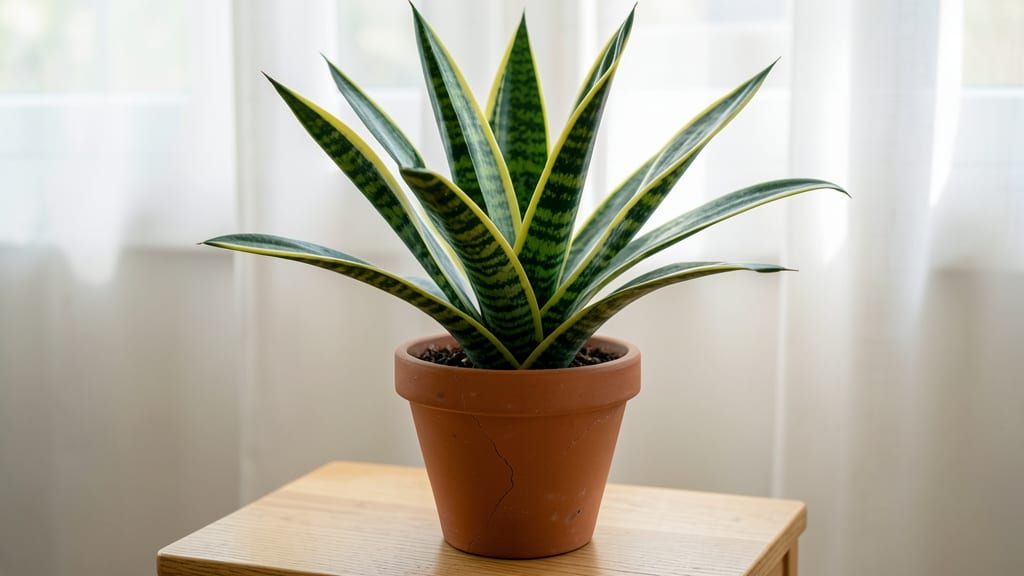
Those striking long flat leaves aren't just beautiful—they're the secret weapon for creating a lush, tropical privacy screen that thrives in containers. 🌿 I've designed this system to work with plants like snake plants, hostas, or aloe, where the leaf shape and texture create natural privacy while adding architectural interest to any space.
The key is matching the right plants to your light conditions and container size, which transforms even small patios into vibrant green walls.
You'll need containers at least 12 inches deep (larger for hostas), well-draining potting mix, and a mix of plants with varying heights and leaf textures. Most of these plants tolerate lower light better than you'd think—snake plants and aloe even thrive in bright indirect light, while hostas prefer partial shade.
The watering routine changes dramatically based on leaf thickness: snake plants need water only when the soil is bone dry, while hostas prefer consistently moist (but not soggy) conditions.
Within a few months, you'll have a living screen that filters sunlight beautifully while providing year-round privacy. The plants grow densely enough to block nosy neighbors' views, and their varied textures create visual interest that no plastic screen could match.
The best part? These plants are nearly indestructible once established, making them perfect for busy gardeners who want low-maintenance beauty.
This approach works equally well for urban balconies, rural patios, or even indoor living walls. The container method gives you flexibility to rearrange your screen as needed, and you can mix in flowering plants like ferns or calatheas for extra color. Let's get your tropical privacy screen growing!
📚 In This Guide
- What you need
- Instructions
- Tips and common mistakes
- Wrapping up and next steps
What you need
- ● Long flat leaf plant: 3–5 mature plants (or 1 large division) for a full, dense screen. Choose varieties like Alocasia zebrina, Philodendron gloriosum, or Monstera deliciosa for maximum impact.
- ● Containers or planters: 5–10 gallon pots (or larger) with drainage holes. Use 1–2 per plant if grouping for stability.
- ● High-quality potting mix: 1–2 bags of well-draining, peat-based mix (e.g., African violet or orchid mix) or amend garden soil with perlite or coconut coir (50/50 ratio).
- ● Slow-release fertilizer: 1–2 tablets or pellets of balanced, organic fertilizer (e.g., Osmocote 14-14-14) per pot.
- ○ Support structure (optional but recommended): Moss poles or trellises: 1 per plant (6–8 ft tall) for vining varieties like Monstera.
- ● Stakes or bamboo canes: 2–3 per plant for upright varieties like Alocasia.
- ● Gloves: 1 pair of gardening gloves (nitrile for grip, cotton for comfort).
- ● Trowel or shovel: 1 medium-sized hand trowel for repotting or garden prep.
- ● Pruning shears: 1 pair of sterilized shears for trimming or dividing plants.
- ● Watering can or hose with nozzle: 1 with a gentle spray setting to avoid disturbing soil.
- ○ Mulch (optional): 2–3 inches of shredded bark or pine needles to retain moisture and suppress weeds.
- ● Light conditions: Bright, indirect light (6+ hours/day). Avoid harsh afternoon sun.
- ○ Humidity tray (optional): 1 shallow tray with pebbles and water to boost humidity for tropical plants.
How to create a stunning tropical privacy screen in containers
Here's the straightforward approach I use to build lush, leafy walls that block noise and views while thriving in pots.
🌿 Step 1: Select Your Long-Leaf Plants
Choose 4 varieties with elongated leaves for maximum visual impact and privacy. I recommend Dracaena marginata (dragon tree) for its striking vertical growth, Ficus lyrata (fiddle-leaf fig) for bold tropical presence, Monstera deliciosa (swiss cheese plant) for natural texture, and Alocasia zebrina (zebra plant) for dramatic patterns.
Buy established 3-4 gallon plants from a nursery—younger plants take longer to fill out. Space them 12-18 inches apart in their final containers to allow for mature growth while leaving room for air circulation. This spacing prevents fungal issues while still creating a dense screen.
🪴 Step 2: Prepare Large Containers with Proper Drainage
Use 5-gallon fabric grow bags or 18-inch diameter pots for each plant—these hold enough soil to support tropical roots while allowing excess water to drain freely. Place 2-3 inches of gravel at the bottom of each container before adding soil to create a drainage layer that prevents root rot.
Fill containers with well-draining potting mix (I blend 50% peat moss, 30% perlite, and 20% coconut coir) mixed with slow-release fertilizer. Tap the container gently to settle the soil without compacting it—you want air pockets for roots but not so loose that plants wobble.
☀️ Step 3: Plant and Position for Optimal Growth
Remove each plant from its nursery pot and gently loosen the roots if they're circling. Place the plant in its container so the top of the root ball sits 1 inch below the rim—this prevents soil from washing out while allowing for watering. Fill around the roots with additional potting mix, pressing lightly to eliminate air gaps.
Position your containers in bright, indirect light (east or west-facing windows work best). Tropical plants need 4-6 hours of filtered sunlight daily—direct midday sun will scorch leaves. If your space only gets artificial light, use full-spectrum LED grow lights positioned 12-18 inches above the plants for 12-14 hours daily.
💧 Step 4: Establish a Watering Routine
Water each plant once a week, allowing 1-2 gallons of water to drain completely through the container. Check moisture by sticking your finger 2 inches into the soil—if it feels dry, water again. Overwatering is the #1 killer of container plants, so always let excess water drain away completely before placing containers back on saucers.
Mist the leaves 2-3 times weekly with room-temperature water to recreate tropical humidity. You'll notice leaves develop a glossy appearance within a few weeks—that's your sign the plants are thriving. In winter, reduce watering to every 10-14 days as growth slows.
✂️ Step 5: Maintain and Encourage Full Growth
Fertilize monthly during spring and summer with a balanced liquid fertilizer (10-10-10 ratio) diluted to half-strength. Stop fertilizing in fall and winter when plants enter dormancy. Prune leggy stems in early spring to encourage bushier growth—cut back to just above a leaf node where new growth will emerge.
Rotate containers quarter-turn weekly so all sides receive equal light exposure. This prevents plants from growing lopsided toward the window. Watch for yellow leaves (a sign of overwatering) or brown leaf tips (usually from low humidity)—adjust your care routine accordingly. With proper maintenance, your tropical screen will reach 6-8 feet tall within 2-3 years.
Tips & tricks for perfect tropical privacy screens
These simple strategies will help your container-grown tropical plants grow lush and healthy—no green thumb required.
Plant Selection Matters: When choosing your four varieties, look for plants with long, flat leaves that are already established in 3-4 gallon pots. Younger plants struggle to fill out quickly enough to create that dense privacy screen. I always check for healthy, glossy leaves with no brown edges—this signals good health and better adaptation to container life.
Drainage is Non-Negotiable: That 2-3 inch gravel layer at the bottom of your containers isn't optional—it's what prevents root rot. If you skip this step, water will pool at the bottom and suffocate your tropical plants. For extra insurance, add a few terracotta shards mixed into the bottom layer—they help break up water flow even more.
Lighting Secrets: The 4-6 hours of filtered sunlight is a range for a reason—your plants will adapt to either end if given time. If you notice leaves turning pale, they need more light; if they're crispy at the edges, they're getting too much direct sun. For indoor setups, position your grow lights 12-18 inches above the plants and adjust the height as they grow taller.
Watering Wisdom: That 2-inch soil check is your best friend. If you're unsure whether to water, check again in 24 hours—tropical plants in containers can dry out faster than you think. I always water in the morning so excess moisture can evaporate during the day, reducing the risk of fungal issues. And never let plants sit in saucers of standing water!
Pro Tips for Long Flat Leaf Plant
- These simple strategies will help your container-grown tropical plants grow lush and healthy—no green thumb required.
- Plant Selection Matters: When choosing your four varieties, look for plants with long, flat leaves that are already established in 3-4 gallon pots.
- Drainage is Non-Negotiable: That 2-3 inch gravel layer at the bottom of your containers isn't optional—it's what prevents root rot.
Frequently asked questions
Got questions about growing a stunning long flat leaf plant as your tropical privacy screen?
Here are some of the most common ones—plus quick, practical answers to help you succeed!
What’s the best long flat leaf plant for containers?
For a lush, container-friendly option, Alocasia (elephant ear) or Monstera deliciosa (swiss cheese plant) are top picks! Both thrive in pots with proper drainage and bright, indirect light. Philodendron varieties (like ‘Brazil’) also work well for beginners.
How long does it take for a long flat leaf plant to grow into a privacy screen?
With ideal care (bright, indirect light, consistent watering, and occasional fertilizer), you can expect noticeable growth in 6–12 months. For a full privacy screen (6–8 feet tall), plan for 2–3 years—but pruning and repotting can speed things up!
How often should I water a long flat leaf plant in a container?
Check soil moisture weekly—water when the top 1–2 inches feel dry. Overwatering is the #1 killer! Containers dry out faster, so adjust based on humidity (more often in dry climates, less in humid areas). Pro tip: Use a moisture meter or stick your finger in the soil!
Why are my long flat leaf plant’s leaves turning yellow or brown?
Yellow leaves often mean overwatering or poor drainage, while brown edges or crispy spots signal underwatering or low humidity. Check light exposure too—too much direct sun can scorch leaves. Adjust care and monitor for pests (like spider mites) if issues persist.
Can I grow a long flat leaf plant indoors year-round?
Many varieties (like Philodendron or Ficus lyrata) thrive indoors with bright, indirect light and a humidity boost (pebble trays or a humidifier help). Just avoid drafts, keep temps between 65–80°F, and rotate the pot occasionally for even growth.
What’s a great alternative if my long flat leaf plant struggles in my climate?
Try these hardy substitutes:
- Dracaena marginata (dragon tree): Tolerates low light and drought.
- Fatsia japonica (Japanese aralia): Cold-hardy and fast-growing.
- Schefflera (umbrella plant): Thrives in containers and bright spots.
Wrapping up and next steps
Transforming your space with a stunning long flat leaf plant privacy screen is easier than you think!
Whether you’re using Dracaena marginata, Alocasia, or Monstera deliciosa, these tropical beauties thrive in containers and bring lush, vibrant energy to patios, balconies, or even indoor corners. 🌿 With the right soil, light, and care, you’ll enjoy a thriving green haven that grows with you.
Ready to dive in? Start by gathering your materials, then plant with confidence—your future privacy oasis awaits! For extra flair, experiment with container styles or mix in complementary plants. Happy growing! 🌱