
Planting
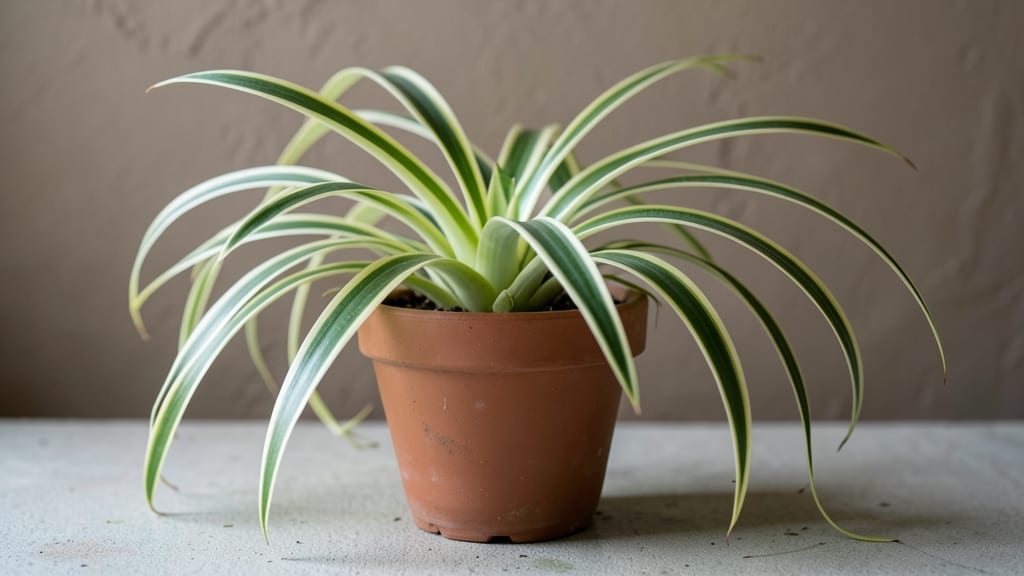
That striking variegation of a small green and white leaf plant isn’t just pretty—it’s a plant’s superpower for thriving in containers. 🌿 I’ve grown these sun-loving beauties for years, and they’ve taught me that the secret lies in the balance between light, water, and the right pot.
The wrong setup leads to yellowing leaves or leggy growth, but get it right, and you’ll have a plant that stays compact, lush, and full of contrast for months.
Most of these plants—think variegated pothos, snake plants, or even small calatheas—crave bright, indirect light but can scorch in harsh afternoon sun. Overwatering is the silent killer, too: let the top inch of soil dry out before watering again.
A well-draining potting mix with perlite or orchid bark keeps roots happy, and a slightly snug pot (just 1-2 inches bigger than the root ball) encourages bushier growth instead of stretching.
By summer’s end, you’ll have a plant that’s bursting with healthy variegation, not just green. The key is pruning leggy stems to encourage fuller growth and rotating the pot weekly so all sides get even light.
Even beginners can nail this—my first attempt survived (mostly) because I paid attention to the soil and light cues.
These plants are also easy to propagate, so once you’ve mastered the care routine, you’ll have cuttings ready to share or expand your collection.
The real magic happens when you see those crisp white edges stay sharp and vibrant, not fading to pale green—proof you’ve got the balance just right.
Root Causes Of Variegation Struggles
Understanding why your small green-and-white leafed plant might lose its stunning variegation—or fail to thrive—starts with identifying the underlying triggers. These plants, often prized for their striking patterns, are sensitive to specific environmental and care-related factors. Let’s break down the science behind the most common issues and why they occur.
Variegated plants rely on a delicate balance between green (chlorophyll-rich) and white (chlorophyll-deficient) cells. When exposed to low or inconsistent light, the plant compensates by producing more chlorophyll in its white areas to maximize photosynthesis.
Over time, this causes the white variegation to fade or disappear entirely, leaving you with a monotonous green leaf.
- Why it happens: - White cells lack chlorophyll, so they can’t photosynthesize efficiently.
In dim conditions, the plant "sacrifices" these cells to keep the rest alive. - Too much direct sun can also stress the plant, leading to sunburn (brown or yellow patches) or reversion—where green cells dominate to protect the plant.
- Actionable fix:
- Provide bright, indirect light (e.g., east or west-facing windows).
- For indoor plants, supplement with a grow light (12–16 hours/day) if natural light is insufficient.
- Rotate the plant occasionally for even exposure.
Variegated plants are light-demanding and low-maintenance when it comes to nutrients. However, excessive fertilizer—especially high-nitrogen formulas—can trigger a dangerous response:
- Why it happens:
- Nitrogen promotes leafy green growth, encouraging the plant to suppress variegation by overproducing chlorophyll in white areas.
- Deficiencies (like lack of magnesium or iron) can also cause yellowing (chlorosis), masking variegation patterns.
- Salt buildup from over-fertilizing stresses roots, reducing the plant’s ability to absorb light efficiently.
- Actionable fix:
- Use a balanced, diluted fertilizer (e.g., 10-10-10 or 20-20-20) every 4–6 weeks in spring/summer.
- Flush the soil every few months with water to prevent salt accumulation.
- If leaves turn yellow, test soil pH (ideal: 6.0–7.0) and amend with chelated iron if needed.
Some variegated plants are genetically unstable, meaning their white cells can revert to green over time due to:
- Why it happens:
- Chimeral variegation (where white cells are only on the surface) is prone to reversion when the plant is stressed or cloned.
- Vegetative propagation (e.g., cuttings) may not always retain variegation if the white cells aren’t present in the growing tip.
- Age-related decline: Older plants may produce more green growth as white cells become less dominant.
- Actionable fix:
- Propagate from heavily variegated stems (ensure the cutting includes white sections).
- Avoid over-pruning—stress can accelerate reversion.
- If your plant is reverting, consider grafting (for advanced growers) or purchasing a new cutting from a trusted source.
Both overwatering and underwatering can disrupt the plant’s ability to maintain variegation by causing oxidative stress or nutrient starvation:
- Why it happens:
- Overwatering: Leads to root rot and anaerobic conditions, reducing the plant’s energy for maintaining variegation.
- Underwatering: Causes wilting and cellular damage, triggering a survival response where green growth dominates.
- Hard water (high in minerals) can also clog soil pores, limiting oxygen and nutrient uptake.
- Actionable fix:
- Water when the top 1–2 inches of soil are dry (stick your finger in to check).
- Use well-draining soil (e.g., a mix of potting soil, perlite, and orchid bark).
- If using tap water, let it sit overnight to reduce chlorine or use filtered/rainwater.
Pests like spider mites, aphids, and scale weaken variegated plants by sapping sap and nutrients, forcing the plant to prioritize survival over maintaining variegation.
- Why it happens:
- Pests feed on cell sap, disrupting chloroplast distribution and leading to stunted growth or reversion.
- Fungal/bacterial infections (e.g., powdery mildew) can clog stomata, reducing gas exchange and photosynthesis efficiency.
- Actionable fix:
- Inspect leaves regularly for webbing, sticky residue (honeydew), or discoloration.
- Treat infestations with neem oil, insecticidal soap, or horticultural oil.
- Isolate affected plants to prevent spread and prune damaged foliage.
Variegated plants often originate from temperate or tropical climates and struggle with temperature swings or low humidity:
- Why it happens:
- Cold drafts (below 50°F/10°C) slow metabolic processes, reducing chlorophyll production in white cells.
- High heat (above 90°F/32°C) causes transpirational stress, leading to leaf scorch and pattern loss.
- Low humidity (<40%) dries out leaves, making them more susceptible to damage and reversion.
- Actionable fix:
- Keep plants in stable temperatures (ideal: 60–75°F/15–24°C).
- Use a humidifier or pebble tray in dry climates.
- Avoid placing near AC vents, heaters, or drafty windows.
Root-bound plants or poor soil structure limit nutrient and water uptake, directly impacting variegation:
- Why it happens:
- Root-bound plants compete for resources, leading to stunted growth and reduced chlorophyll efficiency.
- Compacted or anaerobic soil (lacking oxygen) stresses roots, causing leaf discoloration and pattern fading.
- Small pots restrict growth, leading to nutrient exhaustion faster.
- Actionable fix:
- Repot every 1–2 years in well-draining soil with organic matter (e.g., coco coir, worm castings).
- Choose containers with drainage holes and 1–2 inches larger in diameter than the root ball.
- Aerate soil by mixing in perlite or vermiculite (20–30% of the mix).
Revive Your Variegated Plant
Your small green-and-white leaf plant may be sending SOS signals, but don’t panic—most issues have simple fixes! Below, we’ve mapped common problems to practical solutions, complete with prevention tips to keep your leafy friend thriving. Think of this as your plant’s first-aid kit, tailored for container-grown variegated beauties.
Cause: Overwatering or poor drainage Fix: 🔥 Step 1: Let the top 1–2 inches of soil dry out before watering again. Stick your finger in the soil—if it’s soggy, hold off! 🍳 Step 2: Ensure your pot has drainage holes. No holes? Repot into a container with them ASAP. 👨🍳 Step 3: Use a well-draining mix (cactus/succulent blend works well) and avoid sitting in saucers of water. ⏰ Prevention Tip: Water in the morning so excess moisture evaporates by night. 💡 Pro Tip: If roots smell rotten, trim the bad ones with sterilized scissors and repot in fresh soil.
Cause: Insufficient sunlight (variegated plants crave light!) Fix: 🔥 Step 1: Move your plant to a south- or west-facing window (or under grow lights for 6–8 hours/day). 🍳 Step 2: Rotate the pot weekly so all sides get even light—prevents lopsided growth. 👨🍳 Step 3: If indoors, supplement with a full-spectrum LED bulb 12 inches above the plant. ⏰ Prevention Tip: Watch for leaves losing their white variegation—this is a red flag for light deprivation! ✨ Quick Fix: A sunny windowsill can work wonders in just 2–3 weeks.
Cause: Dry air (common in homes with HVAC or heaters) Fix: 🔥 Step 1: Mist leaves 2–3 times weekly with room-temperature water (avoid soggy centers). 🍳 Step 2: Place the pot on a pebble tray filled with water (ensures moisture without overwatering). 👨🍳 Step 3: Group plants together to create a microclimate—nature’s humidifier! ⏰ Prevention Tip: Use a hygrometer to keep humidity between 40–60%. 💡 Pro Tip: A humidifier near your plant collection saves time and stress.
Cause: Powdery mildew (thrives in humid, low-light conditions) Fix: 🔥 Step 1: Isolate the plant to prevent spread. 🍳 Step 2: Wipe leaves gently with a neem oil solution (1 tsp neem oil + 1 quart water + drop of dish soap). 👨🍳 Step 3: Improve airflow by pruning crowded leaves and moving to a brighter spot. ⏰ Prevention Tip: Spray leaves with water early in the day so they dry quickly. 🌡️ Hot Tip: Neem oil also deters pests—double duty!
Cause: Root-bound pots or nutrient deficiency Fix: 🔥 Step 1: Gently remove the plant from its pot. If roots are circling tightly, repot into a slightly larger container (just 1–2 inches wider). 🍳 Step 2: Refresh the soil with a balanced fertilizer (like 10-10-10) diluted to half-strength.
Feed every 4–6 weeks in spring/summer. 👨🍳 Step 3: For slow starters, try a fish emulsion (rich in micronutrients). ⏰ Prevention Tip: Fertilize less in winter—variegated plants rest during cooler months. 🎯 Gold Star Tip: Top-dress with worm castings for a slow-release nutrient boost.
Cause: Spider mites, aphids, or mealybugs (love variegated plants!) Fix: 🔥 Step 1: Blast off pests with a strong spray of water (disrupts their life cycle). 🍳 Step 2: Apply insecticidal soap (follow label instructions) or rubbing alcohol spray (70% alcohol + water, dab on cotton swabs for stubborn bugs). 👨🍳 Step 3: Introduce beneficial insects like ladybugs or lacewings for long-term control. ⏰ Prevention Tip: Inspect new plants before bringing them home.
Quarantine for a week! 🔪 Radical Fix: Prune heavily infested leaves—sacrifice a few to save the rest.
Need a quick reset? Try this 30-day reboot:
- Repot in fresh, well-draining soil.
- Trim dead/brown leaves with clean scissors.
- Adjust watering to the “dry topsoil” method.
- Boost light (even artificial works).
- Fertilize lightly after 2 weeks.
Remember: Variegated plants are resilient! With these fixes, yours will bounce back—often with brighter white variegation as a reward for your care. 🌟
Frequently asked questions
What are the most common small green-and-white leaf plants for beginners?
Start with variegated pothos (easy care) or snake plant (tolerates low light). Other great choices include Zebra plant (Aphelandra squarrosa) with its striking white stripes and Calathea orbifolia for its bold patterns. These thrive in containers and adapt well to indoor lighting.
Why is my plant's white variegation fading to green?
This happens when your plant isn't getting enough bright, indirect light. White cells lack chlorophyll, so the plant produces more green cells to photosynthesize better. Move it to a south- or west-facing window or use a grow light for 12-16 hours/day to restore the contrast.
How often should I water my small variegated leaf plant?
Check soil moisture by sticking your finger 1-2 inches deep. Water only when the top layer feels dry. Most variegated plants prefer every 7-10 days in containers, but adjust based on your home's humidity—dry air means more frequent watering (but never soggy soil!).
Can I propagate my green-and-white leaf plant easily?
Take 4-6 inch cuttings with at least 2-3 leaves and let them dry for 1 hour to callus. Place in water or moist soil with perlite—roots should appear in 2-4 weeks. For best results, choose stems with prominent white variegation to maintain the pattern.
What's the best soil mix for maintaining variegation?
Use a well-draining mix of 50% potting soil, 30% perlite/orchid bark, and 20% coco coir. This prevents root rot while providing the aeration variegated plants need to keep their striking patterns. Avoid heavy garden soil—it holds too much moisture and can cause the white areas to revert to green.