
Planting
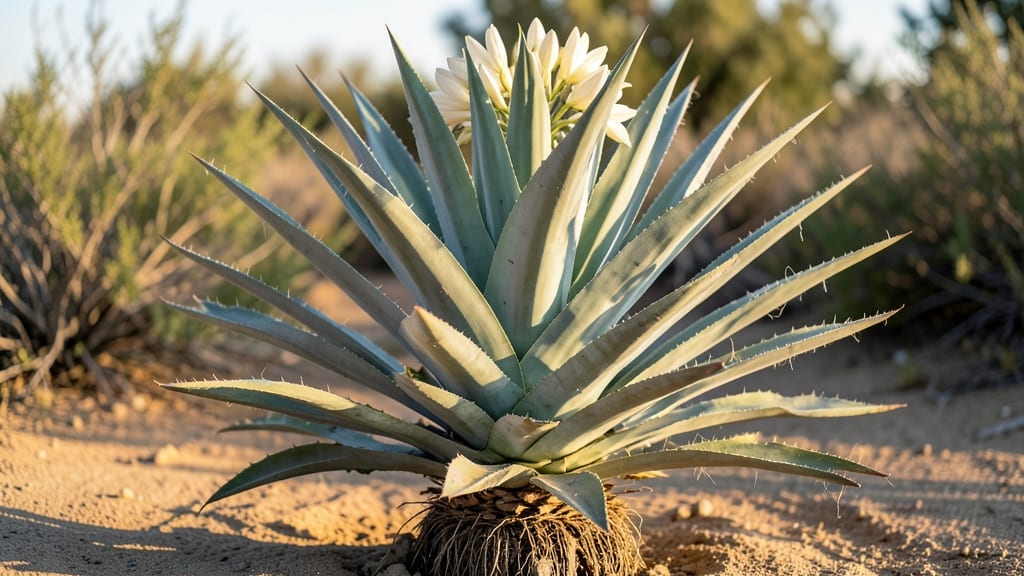
Plants with long spiky leaves transform any yard into a striking privacy screen that never goes out of style. 🌿 I've grown these architectural plants for years, and they've become my go-to for adding drama without the fuss of flowers.
The sharp, sword-like foliage of yuccas, agaves, and dracaenas creates a bold statement that thrives year-round with minimal care.
These plants love full sun and well-draining soil—think sandy or gravelly mixes that prevent soggy roots. Most varieties handle drought once established, but their first year needs consistent moisture.
My snake plants, for example, stay lush with just water every 2-3 weeks, while agaves prefer even less. The key is mimicking their natural desert or tropical habitats.
You'll end up with a textured, low-maintenance garden feature that grows taller each year. The spiky foliage creates natural privacy while adding vertical interest to any landscape. Plus, many varieties produce striking flowers or berries as a bonus.
My favorite? The blue-green spikes of Yucca rostrata, which reach 6-10 feet tall and look like something from a desert oasis.
Perfect for sunny borders, foundation plantings, or even large containers. These plants adapt to various climates, from hot deserts to mild coastal areas. Just avoid heavy clay soils and you're golden—literally, since their foliage often glows in sunlight.
📚 In This Guide
- What you need
- Instructions
- Tips and common mistakes
- Wrapping up and next steps
What you need
- ● Plant: A Dracaena marginata (Dragon Tree), Yucca, or Cordyline fruticosa (Ti Plant) – choose based on your climate zone.
- ● Soil: 5–10 bags (10–15 lbs each) of well-draining potting mix or native soil amended with perlite or sand (20% perlite/sand ratio).
- ● Fertilizer: Slow-release granular fertilizer (e.g., 10-10-10 NPK) or organic compost (5 lbs).
- ● Mulch: 2–3 bags of wood chips or bark mulch (to retain moisture and suppress weeds).
- ● Garden trowel or shovel (for digging holes).
- ● Measuring tape (to space plants 3–6 ft apart, depending on mature size).
- ● Gloves (to protect hands from sharp leaves).
- ● Watering can or hose with a gentle nozzle (avoid overwatering!).
- ○ Optional: Pruning shears (for shaping), stakes (for young plants), or a wheelbarrow (for heavy soil/mulch).
- ● ✅ Sunlight: Full sun to partial shade (6+ hours of sunlight daily for best growth).
- ● ✅ Climate: Hardy in USDA Zones 8–11 (check your plant’s specific needs).
- ● ✅ Space: Allocate 6–10 ft of width per plant (account for mature spread).
- ● ✅ Water source: Easy access for consistent (but not soggy) moisture.
Step-by-step instructions for planting a striking long-spiky-leaf privacy screen
Here's how to create a bold, year-round privacy barrier using dramatic foliage plants.
🌱 Step 1: Select and Prepare the Planting Site
Choose a location with at least 6 hours of sunlight daily—most long-spiky-leaf plants thrive in full sun to partial shade, depending on the variety. I always test the site first by observing how much shade it gets throughout the day, especially in summer when sunlight shifts. Mark the area with stakes to visualize the final screen shape.
Clear all weeds and grass from the planting area, digging down 12 inches deep to loosen compacted soil. Amend the soil with 2-3 inches of compost mixed into the top 6 inches—this improves drainage while retaining moisture. For heavy clay soil, add 1 part perlite to 3 parts soil to prevent root rot, which is common with these moisture-sensitive plants.
🪴 Step 2: Plant Spikes in a Staggered Pattern
Dig holes twice as wide as the root ball but no deeper to prevent water pooling. Space plants 3-5 feet apart, depending on the mature width of your chosen variety—closer spacing creates a denser screen faster. I plant in a staggered formation (like brickwork) so leaves fill gaps naturally over time.
Place each plant at the same depth it grew in its container, firming soil gently around the base to eliminate air pockets. Water deeply immediately after planting to settle the roots. Here's the thing—if the soil settles and leaves appear above ground level, add more soil to ensure the root collar stays covered.
☀️ Step 3: Provide Consistent Water and Mulch
Water newly planted spikes every 2-3 days until new growth appears, keeping the soil evenly moist but never soggy. You'll know moisture is right when the top 2 inches of soil feel damp to touch. After establishment (about 4-6 weeks), reduce watering to once weekly, adjusting for rainfall.
Spread 2-3 inches of wood chips or bark mulch around each plant, keeping it 3 inches away from the stem to prevent rot. Mulch conserves moisture, regulates soil temperature, and suppresses weeds—critical for maintaining the dramatic foliage these plants are known for. Replenish mulch annually in early spring.
✂️ Step 4: Prune for Density and Shape
Prune in early spring before new growth begins to encourage bushier, denser foliage. Cut back one-third of the oldest stems to the ground, using clean, sharp shears to avoid tearing leaves. This rejuvenates the plant and prevents leggy growth that weakens the screen's structure.
Throughout the growing season, trim any stems that grow away from the center of the plant to maintain a uniform, full appearance. You'll notice new shoots emerging from the base within 2-3 weeks—this is your signal that pruning worked. For varieties with arching spikes, gently weave stems together to create a tighter barrier.
🌿 Step 5: Maintain Year-Round Health
Fertilize in early spring with a balanced, slow-release fertilizer (10-10-10 ratio) to support vigorous growth. Apply according to package instructions, typically every 8-12 weeks during the growing season. Avoid high-nitrogen fertilizers—they promote leafy growth at the expense of the striking spikes you planted for.
Monitor for pests like spider mites or scale, which thrive on stressed plants. I inspect leaves weekly, especially on the undersides where pests hide. If you spot webbing or sticky residue, treat immediately with insecticidal soap or neem oil. Here's the key—prevention is easier than cure, so keep plants healthy with proper water and mulch to deter pests naturally.
Tips & tricks for perfect long-spiky-leaf privacy screens
Real talk: The difference between a lush, year-round privacy screen and a struggling one often comes down to these small but critical details.
Site Selection Secret: That 6-hour sunlight minimum is non-negotiable for most spiky-leaf varieties, but I've learned the hard way that afternoon shade matters too. Observe your site for at least a week before planting—summer afternoons can shift sunlight patterns dramatically. For varieties like Dracaena marginata or Yucca, morning sun with afternoon shade works perfectly, while others like Cordyline need full sun all day. Test with temporary stakes first!
Planting Depth Matters: When placing your plants at the same depth they grew in containers, check the root flare—the swollen area where roots meet the stem. This should sit just above soil level. I've buried plants too deep, which causes rot, and planted too shallow, leading to unstable growth. Use your finger to trace the root flare before backfilling soil. For container-grown plants, gently loosen the root ball to encourage outward growth into your amended soil.
Watering Wisdom: The "evenly moist but never soggy" guideline is crucial, but here's what nobody tells you—your watering frequency changes with seasons. In summer, you might need that every-2-3-days watering, but in winter, once every 10-14 days could be enough. The key is that top 2 inches of soil test—stick your finger in! Also, water at the base rather than overhead to prevent fungal issues on those dramatic spiky leaves.
Pruning Payoff: That early spring prune where you cut back one-third of oldest stems might seem drastic, but it's what transforms leggy plants into lush screens. I've seen plants double in density after just one proper pruning session. For varieties with arching spikes, weave them together like a living trellis—this creates instant visual density while encouraging new growth from the base. Think of it as sculpting your privacy screen rather than just cutting back.
Pro Tips for Long Spiky Leaves Plant
- Real talk: The difference between a lush, year-round privacy screen and a struggling one often comes down to these small but critical details.
- Site Selection Secret: That 6-hour sunlight minimum is non-negotiable for most spiky-leaf varieties, but I've learned the hard way that afternoon shade matters too.
- Planting Depth Matters: When placing your plants at the same depth they grew in containers, check the root flare—the swollen area where roots meet the stem.
Frequently asked questions
Got questions about growing and maintaining plants with long, spiky leaves? You’re not alone! Here are some of the most common concerns—and their easy solutions—to help you create a stunning, low-maintenance privacy screen.
What are the best long-spiky-leaved plants for privacy screens?
Top picks include Yucca (drought-tolerant and architectural), Dracaena marginata (dragon tree, great for containers), Cordyline (tropical vibes), and Acacia (fast-growing with feathery foliage). For bold, year-round drama, Yucca elephantipes or Dracaena varieties are hard to beat!
How fast do these plants grow, and when will I see results?
Growth rates vary: Yucca and Dracaena grow 1–3 feet per year, while Acacia can shoot up 3–5 feet annually. With proper care, you’ll notice noticeable height in 1–2 years. Patience pays off—these plants mature into striking screens over time!
How often should I water long-spiky-leaved plants?
Overwatering is the #1 killer! Most spiky-leaved plants (like Yucca or Dracaena) thrive on deep but infrequent watering. Water once every 2–3 weeks (or when the top 2 inches of soil are dry), and never let them sit in soggy soil. Mulch helps retain moisture and keeps roots cool.
What pests should I watch for, and how do I treat them?
Common pests include spider mites, mealybugs, and scale. Pro tip: Wipe leaves with neem oil or insecticidal soap (mix 1 tbsp per quart of water) for mild infestations. For severe cases, hose off pests with water or use systemic granules. Prevention tip: Keep plants healthy with balanced fertilizer to deter pests!
Can I grow these plants in containers, or do they need to be planted in the ground?
Many spiky-leaved plants (like Dracaena marginata or Yucca) thrive in large containers (15+ gallons for mature plants). Use well-draining soil and ensure pots have drainage holes. For ground planting, choose a spot with 6+ hours of sunlight and space plants 3–6 feet apart for full coverage.
Are long-spiky-leaved plants cold-hardy, or do they need winter protection?
Most tropical varieties (like Dracaena) are tender and need protection below 30°F. Yucca and Agave are hardier (zones 7–11). Pro tip: Wrap pots in burlap or move them indoors near a sunny window. For ground-planted varieties, mulch heavily to insulate roots.
Wrapping up and next steps
Transforming your outdoor space with a long spiky leaves plant isn’t just about aesthetics—it’s about creating a bold, evergreen privacy screen that thrives year-round! 🌿 Whether you’re drawn to the striking Dracaena marginata or the rugged Yucca filamentosa, these plants bring drama, texture, and low-maintenance beauty to any garden.
Their resilience and adaptability make them perfect for both beginners and seasoned gardeners.
Ready to elevate your landscape? Start by selecting the perfect variety for your climate and space, then gather your tools and dive in! With the right care, your spiky-leaved privacy screen will become the star of your outdoor oasis—and your neighbors will be jealous. Happy planting! 🌱✨