
Planting
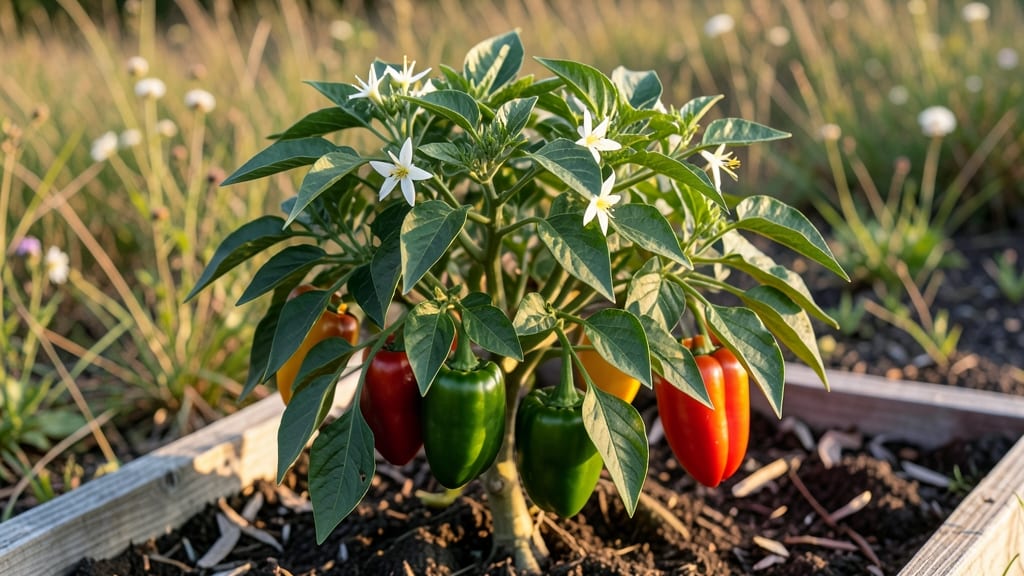
Nothing beats the thrill of growing a Santa Fe Grande pepper plant—those massive, meaty peppers that make every harvest feel like a victory. 🌶️ I’ve grown them for years, and the first time I saw a single pepper the size of my palm, I knew this was the variety for me.
They’re not just big—they’re packed with flavor, heat, and that satisfying crunch that turns every bite into a moment. These peppers thrive in hot, dry climates like Santa Fe, but they’ll grow almost anywhere if you mimic their natural conditions.
Start with well-draining soil, full sun, and consistent watering—no soggy roots here. The key is patience; they take their time to mature, but the payoff is worth it. Imagine slicing a pepper so thick you can grill a steak on one side while stuffing the other.
You’ll know you’re doing it right when your plants are bursting with glossy green leaves and those first peppers start swelling in late summer. The flavor deepens as they ripen, balancing smoky heat with a sweet undertone that’s impossible to resist.
Prune early to encourage bushier growth, and watch those yields climb. Perfect for gardeners who love a challenge and a bold harvest. Let’s get those seeds in the ground—or plants in the pot—and turn your garden into a pepper paradise.
📚 In This Guide
- What you need
- Instructions
- Tips and common mistakes
- Wrapping up and next steps
What you need
- ● Santa Fe Grande pepper seeds or seedlings: 3–5 plants (for a family-sized harvest or sharing with friends!). Opt for organic, heirloom seeds if possible.
- ● Containers or garden bed: Containers: 5-gallon pots or larger (1 per plant; ensure drainage holes!).
- ● Garden bed: Full sun (6+ hours daily), well-draining soil, and space 18–24 inches apart.
- ● High-quality potting mix: 10–15 lbs (look for organic, peat-free blends with perlite or vermiculite for aeration).
- ● Fertilizer: Balanced fertilizer (10-10-10): 1 lb (for transplanting).
- ● Organic options: Composted manure (1 cup per plant) or worm castings (½ cup per plant).
- ● Mulch: Straw or shredded leaves (2–3 inches) to retain moisture and regulate soil temp.
- ● Support: Cage or stakes (5–6 feet tall) to handle the plant’s height and fruit weight.
- ● Pruning shears: Sharp, sterilized shears for trimming and harvesting.
- ● Watering can or hose with nozzle: Gentle watering is key—avoid wetting leaves.
- ○ pH test kit: Optional but helpful (ideal soil pH: 6.0–7.0).
- ● Row covers: For early planting to protect from frost.
- ● Drip irrigation system: Automates watering and reduces stress on plants.
- ● Calcium supplement: (e.g., crushed eggshells) to prevent blossom-end rot.
- ● Grow lights: If starting indoors (12–16 hours of light daily).
- ● Pest control: Neem oil or insecticidal soap (for aphids/spider mites).
- ● Journal or app: Track planting dates, watering, and harvest progress!
Step-by-Step instructions for growing Santa Fe Grande peppers
Here's how I grow these fiery beauties—bold, productive, and built for heat.
🌱 Step 1: Start Seeds Indoors 8-10 Weeks Before Last Frost
Santa Fe Grandes thrive with a long growing season, so I begin seeds indoors under grow lights (not windowsills—natural light is too weak). Fill 2-3 inch deep seed trays with sterile seed-starting mix (never garden soil) and plant seeds ¼ inch deep, two per cell. Press gently but don't compact the soil—you want roots to push through easily.
Keep the soil warm (75-85°F) with a seedling heat mat until germination, which takes 7-14 days. Mist the surface lightly after planting—don't soak it. Once sprouts appear, remove the heat mat but keep lights on for 14-16 hours daily. You'll see the first true leaves (not the initial cotyledons) in 2-3 weeks—that's when you can start fertilizing lightly with half-strength liquid fertilizer.
☀️ Step 2: Harden Off and Transplant After All Frost Risk Passes
Santa Fe Grandes hate cold—wait until soil is at least 65°F before transplanting. Two weeks before your last frost date, begin hardening off seedlings by placing them outside in partial shade for 1-2 hours daily. Gradually increase exposure over 10-14 days, ending with full sun. Watch for wilting or yellowing—if it happens, they're not ready yet.
Choose a full-sun spot (6+ hours daily) with well-draining soil. Amend heavy clay with compost or aged manure to improve drainage—these peppers rot easily if their roots sit wet. Space plants 18-24 inches apart in rows 24 inches apart. Bury slightly deeper than the transplant pot to encourage strong root growth.
💧 Step 3: Water Deeply and Fertilize for Maximum Heat Production
Santa Fe Grandes need consistent moisture but hate soggy soil. Water deeply (1-1.5 inches per week) at the base, avoiding leaves to prevent disease. Let the top 1-2 inches of soil dry between waterings—you'll see them droop slightly when thirsty, then perk up after drinking. Mulch with straw or grass clippings to retain moisture and keep roots cool.
Feed every 2-3 weeks with a balanced fertilizer (10-10-10) until flowers appear, then switch to a low-nitrogen, high-phosphorus formula (like 5-10-10) to boost fruit production. I also add Epsom salt (1 tablespoon per gallon of water) monthly—it enhances heat levels in peppers. Watch for dark green, glossy leaves—that's your sign they're happy and hungry.
✂️ Step 4: Prune and Support for Heavy Harvests
Santa Fe Grandes produce huge, 8-12 ounce peppers, so they need support. Install cages or stakes at planting time—these peppers topple easily. Prune suckers (the shoots that form in the leaf axils) to direct energy into fruit production. Remove any yellow or diseased leaves immediately—peppers are prone to bacterial spot, and it spreads fast.
When peppers reach 6-8 inches long, they're ready to harvest. Cut stems with clean pruners, leaving a small stub. The more you pick, the more they produce—don't wait until they turn red if you want green peppers. Store unripe peppers in the fridge for 1-2 weeks to ripen fully indoors. You'll know they're ready when the skin turns deep red and the flesh is thick and firm.
🌿 Step 5: Overwinter and Save Seeds for Next Year
Santa Fe Grandes are annuals, but you can extend their life by bringing pots indoors before the first frost. Place them in a sunny window or under grow lights and reduce watering. Most plants survive until Christmas, producing peppers all season long. Let a few peppers fully ripen and dry on the plant—these will yield seeds for next year.
To save seeds, scoop out the gel-like interior, rinse seeds in water, and dry them on a paper towel for 3-5 days. Store in a cool, dry place until next spring. I label each packet with the year—these peppers are heirloom, and their heat (measured at 50,000-100,000 Scoville units) is legendary. Next season, start seeds again in March for an early jump on the growing cycle.
Tips & tricks for growing Santa Fe Grande peppers
These little details make all the difference when growing peppers that pack serious heat.
Seedling Heat Secret: Those 75-85°F soil temperatures in Step 1 aren't just numbers—they're critical for germination. I use a seedling heat mat set to 80°F and cover the trays with plastic wrap to trap moisture. The combination speeds up germination from 7-14 days to about 5-7 days in my experience. Just remember to remove the plastic once sprouts appear to prevent mold.
Harden Off Gradually: The 10-14 day hardening off period in Step 2 is where most beginners rush and end up with shocked plants. Start with just 30 minutes of partial shade on day one, then add 30 minutes each subsequent day. Watch for leaves that stay crisp and upright—if they wilt, they're not ready for more sun. I've seen plants that took 18 days to harden off completely, and those were the ones that thrived.
Fertilizer Timing: The switch from 10-10-10 to 5-10-10 fertilizer in Step 3 is crucial for heat production. I make this transition when I see the first flower buds appear, not when flowers are fully open. Too much nitrogen after flowering means leafy growth at the expense of fruit. And that monthly Epsom salt? It's not optional—it's what pushes those Scoville numbers up to 100,000.
Harvesting Strategy: The 6-8 inch size guideline in Step 4 is flexible—harvest when peppers develop a slight firmness but still feel tender. For green peppers, I harvest when they're 7-9 inches long. For maximum heat, let a few ripen fully to red before harvesting. The key is consistency: pick regularly to encourage continuous production, but don't overcrowd the plant by leaving too many peppers on at once.
Pro Tips for Santa Fe Grande Pepper Plant
- These little details make all the difference when growing peppers that pack serious heat.
- Seedling Heat Secret: Those 75-85°F soil temperatures in Step 1 aren't just numbers—they're critical for germination.
- Harden Off Gradually: The 10-14 day hardening off period in Step 2 is where most beginners rush and end up with shocked plants.
Frequently asked questions
Got questions about growing your own Santa Fe Grande peppers?
Here are answers to the most common ones—whether you're a first-time gardener or a seasoned pepper enthusiast!
How long does it take for a Santa Fe Grande pepper plant to produce fruit?
A Santa Fe Grande pepper plant typically takes 90–120 days from transplanting to produce mature peppers, depending on your climate and growing conditions. Start seeds indoors 8–10 weeks before the last frost for an early harvest. Patience pays off—these beauties are worth the wait!
When is the best time to harvest Santa Fe Grande peppers?
Harvest when peppers reach 6–8 inches long and turn a deep red, usually in late summer to early fall. For milder heat, pick them green. Use sharp pruners to avoid damaging the plant, and harvest every 2–3 days to encourage more production. Pro tip: Morning harvests prevent pests from feasting on ripe peppers!
Can Santa Fe Grande peppers grow in containers, or do they need a garden bed?
Yes! These peppers thrive in 5-gallon containers or larger with well-draining soil. Ensure the pot has drainage holes and place it in a sunny spot (6+ hours of light daily). Container growing is ideal for balconies or small spaces—just fertilize regularly for maximum yield. Add compost to boost nutrients!
What if my Santa Fe Grande plant looks wilted or unhealthy?
Wilting often signals underwatering, overwatering, or heat stress. Check soil moisture—it should be dry 1–2 inches deep before watering. Yellow leaves? Too much water or poor drainage. Brown edges? Underwatering or low humidity. Move plants to partial shade if temps exceed 95°F (35°C). Mulch helps retain moisture!
Are Santa Fe Grande peppers hotter when fresh or dried?
Fresh Santa Fe Grandes pack moderate heat (2,500–5,000 SHU), but drying intensifies their flavor and heat (up to 10,000+ SHU). Roast or dehydrate them for a smoky, concentrated kick. Store dried peppers in airtight containers away from light. Freeze extras for year-round use in salsas or stews!
Wrapping up and next steps
Growing a Santa Fe Grande pepper plant is a rewarding journey for any heat-loving gardener! With the right soil, sunlight, and care, you’ll soon be enjoying bold, fiery harvests that elevate your dishes. Whether you’re a seasoned grower or a curious beginner, this variety promises a spicy adventure worth savoring.
Ready to take the next step? Start with a single plant—or expand your garden—and watch your harvests grow! Share your progress or spicy creations with fellow gardeners for extra inspiration. 🌶️✨