
Planting
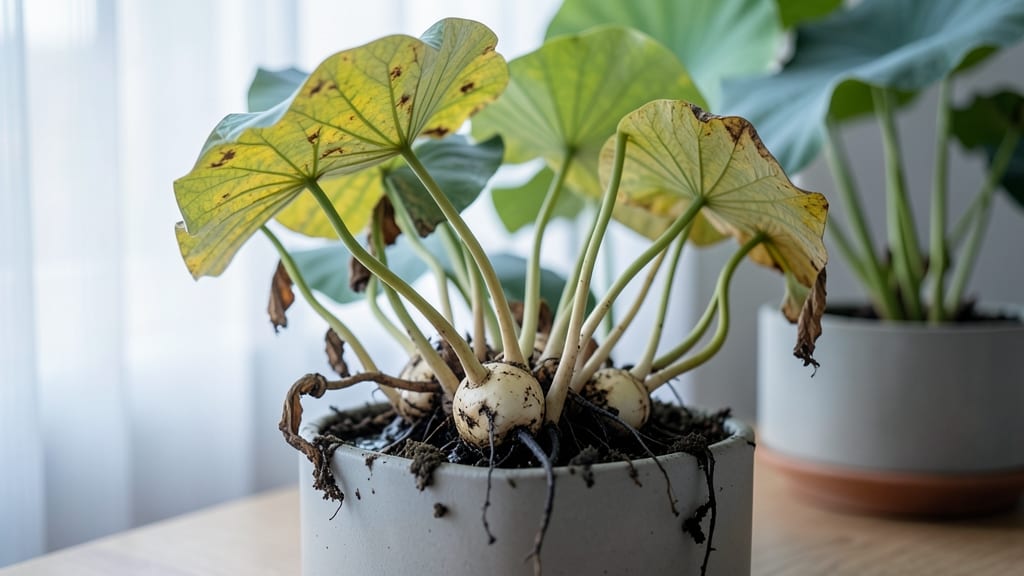
Struggling to keep your lotus house plant thriving? These 10 expert care tips reveal the secrets to vibrant leaves, faster growth, and year-round blooms—even for beginners. Perfect for indoor gardeners who want lush, healthy lotus plants without guesswork.
Optimal Lighting for Lotus House Plants
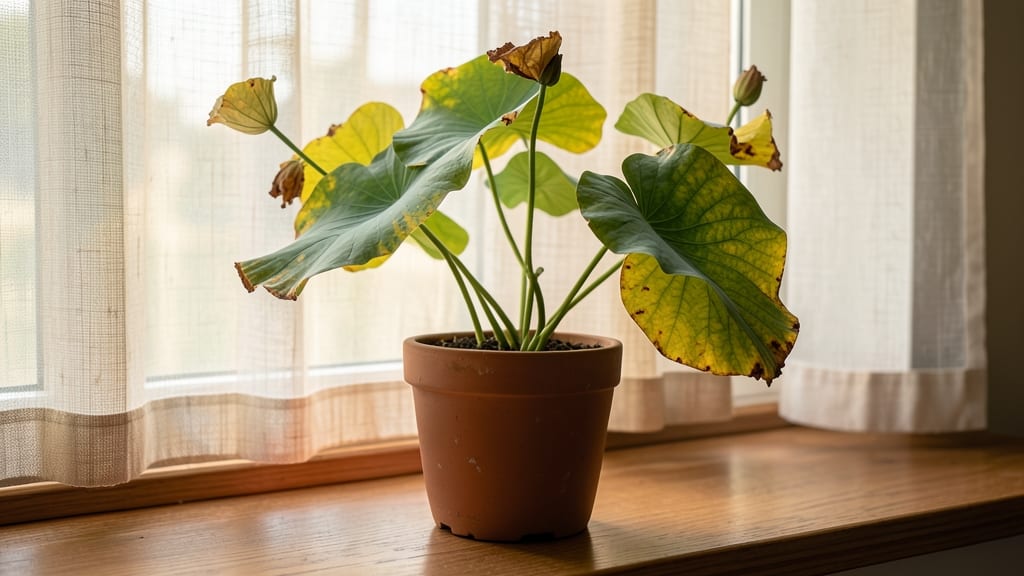
If your lotus house plant is struggling with yellowing leaves or sparse blooms, the issue likely starts with its lighting. Unlike sun-loving outdoor lotuses, indoor varieties thrive in bright, indirect light—think east-facing windows or filtered sunlight through sheer curtains.
Place your plant within 3-6 feet of a window where it receives 4-6 hours of morning sun daily. Avoid harsh afternoon rays, which can scorch delicate leaves. Urban apartments with limited natural light? Try a grow light for 6-8 hours daily—this mimics ideal conditions and keeps your plant blooming consistently.
This lighting strategy is especially crucial for small-space gardeners. With the right light, your lotus will reward you with glossy foliage and vibrant blooms year-round. 🌟
Perfect Watering Schedule for Lotus Leaves
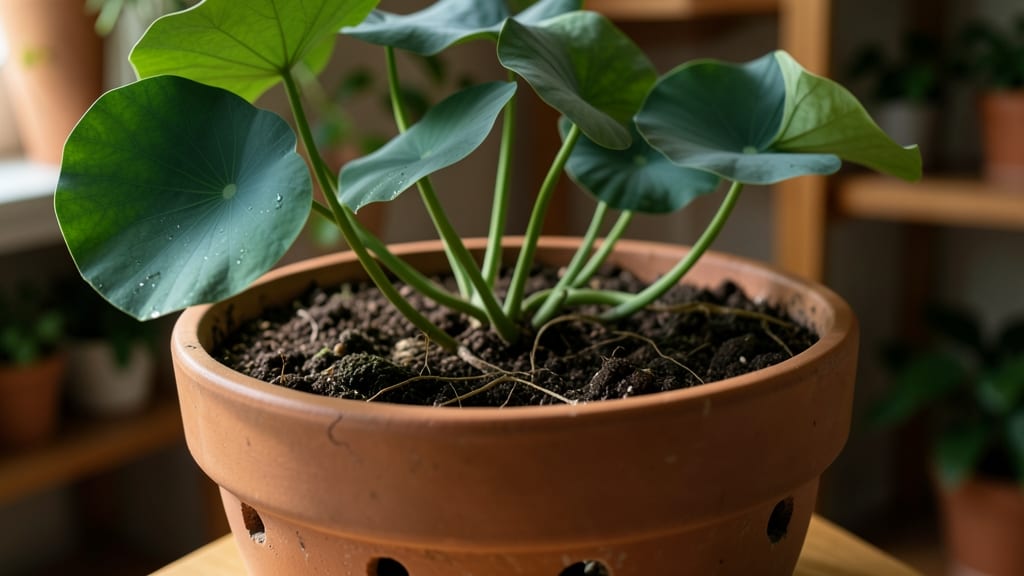
Your lotus house plant thrives on a delicate balance—too much water drowns its roots, while too little causes wilting. The key? A rhythmic watering schedule that mimics its tropical origins without creating soggy soil.
Water your lotus when the top inch of soil feels dry to the touch, typically every 5-7 days in warm weather (reduce to 10-14 days in winter). Place the pot in a shallow tray of water for 10-15 minutes monthly to hydrate roots while preventing stagnant moisture. Always use a terracotta pot with drainage holes—this ensures excess water escapes, keeping roots oxygenated and healthy.
This method works best for indoor gardeners in dry climates or heated homes, where humidity drops can stress tropical plants. Stick to this rhythm, and you’ll see your lotus leaves stay plump and vibrant. 💚
Soil Mix Secrets for Healthy Lotus Roots
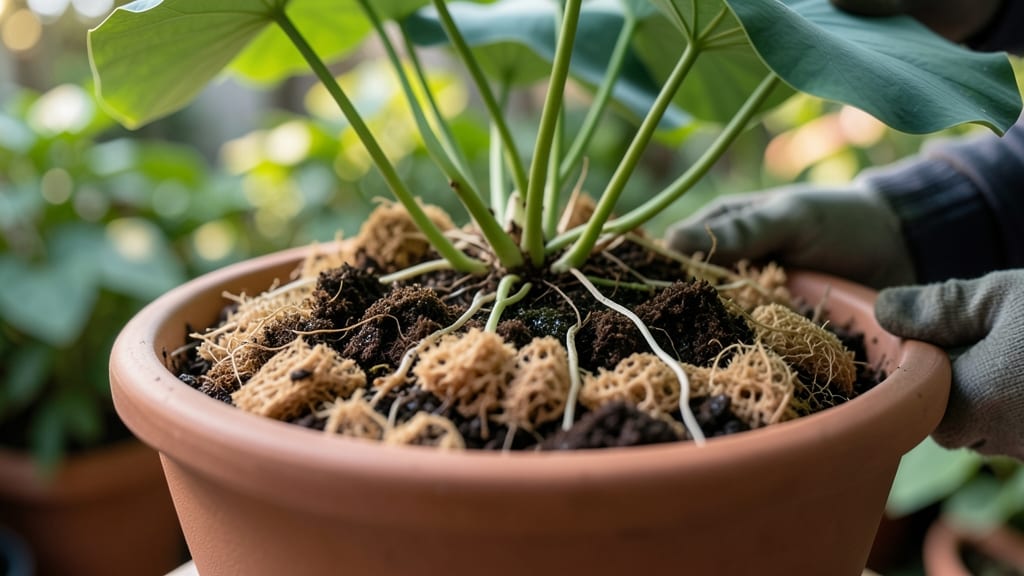
Your lotus house plant’s roots need a breathable yet moisture-retentive soil mix to thrive—especially if you’re repotting or starting fresh. The wrong blend leads to root rot or stagnation, but this simple formula keeps roots happy and healthy.
Mix 50% peat moss or coconut coir (for moisture retention) with 30% perlite or pumice (for drainage) and 20% worm castings or compost (for nutrients). This airy yet hydrating blend prevents waterlogging while feeding your lotus plant’s roots. For extra insurance, top with a thin layer of orchid bark to wick away excess moisture.
This soil mix is ideal for new starters or repotting, giving your lotus plant the perfect foundation for vibrant growth. 🌱
Humidity Hacks for Lotus Plant Revival
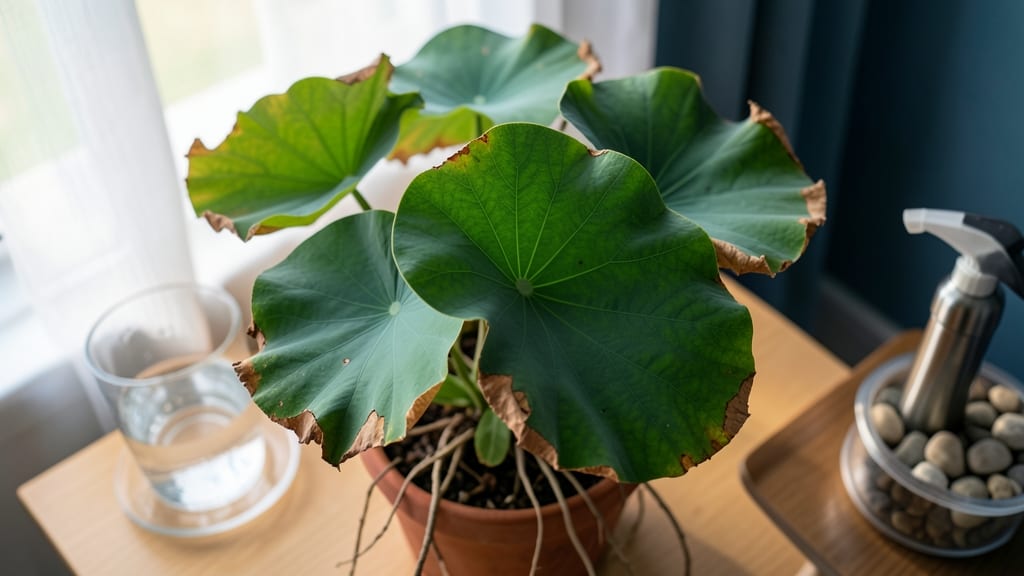
Notice your lotus house plant leaves developing crispy brown edges? That’s dry air talking—and it’s a common issue for tropical lotus varieties in heated homes or arid climates. The solution? Easy, low-cost humidity hacks that recreate their natural environment without fancy equipment.
Start with a pebble tray: Place your pot on a shallow tray filled with water and pebbles (not touching the bottom). As water evaporates, it creates a microclimate of 40-60% humidity around your plant. For faster results, group your lotus with other houseplants—transpiration from their leaves naturally increases moisture. A humidifier near your plant (especially at night) works wonders for dry indoor air, while occasional misting (twice daily) keeps leaves lush and prevents browning.
These tricks are perfect for urban gardeners with limited space or beginners who want to revive struggling plants. With consistent humidity, your lotus will bounce back with glossy, thriving leaves in just weeks. 💚
Fertilizer Schedule for Rapid Lotus Growth
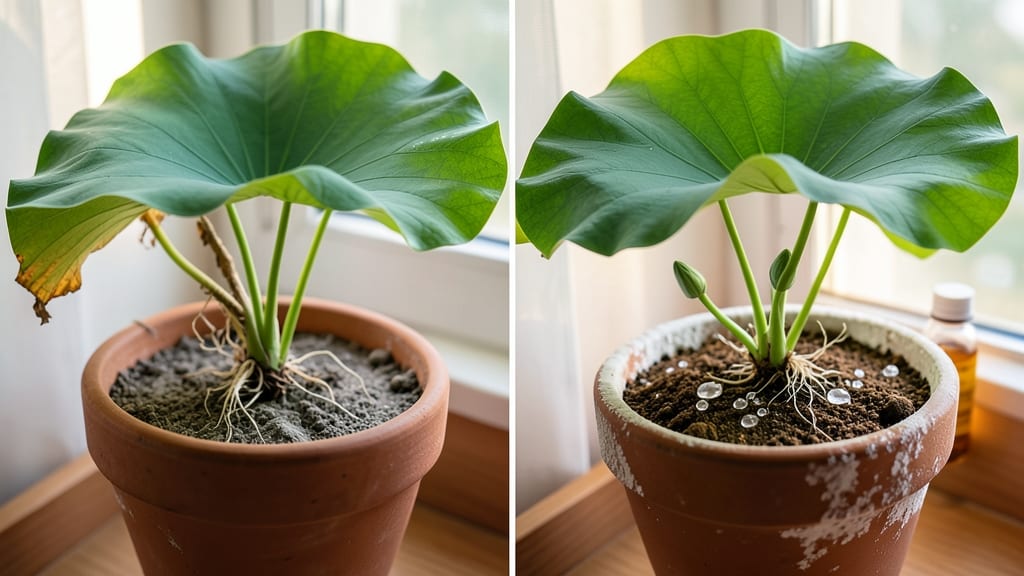
Your lotus house plant might be growing slowly because it’s either starved for nutrients or suffering from over-fertilization—both extremes stress delicate roots. The key to rapid, healthy growth lies in a gentle yet effective fertilizer schedule that avoids root burn while fueling lush foliage and potential blooms.
Start by feeding your lotus with a balanced liquid fertilizer (10-10-10 or 20-20-20) every 4-6 weeks during spring and summer, when growth is most active. Reduce to once every 8-10 weeks in fall and winter, as the plant enters dormancy. For small pots or slow growers, dilute the fertilizer to half-strength to prevent salt buildup, which can further damage roots. Always water thoroughly before and after applying fertilizer to ensure nutrients reach the roots without concentrating in the soil.
This approach works especially well for urban gardeners with limited space or those dealing with slow-growing lotus varieties. By sticking to this schedule, you’ll see stronger stems, deeper green leaves, and—with patience—even more frequent blooms. 🌻
Pruning Techniques to Encourage Blooms
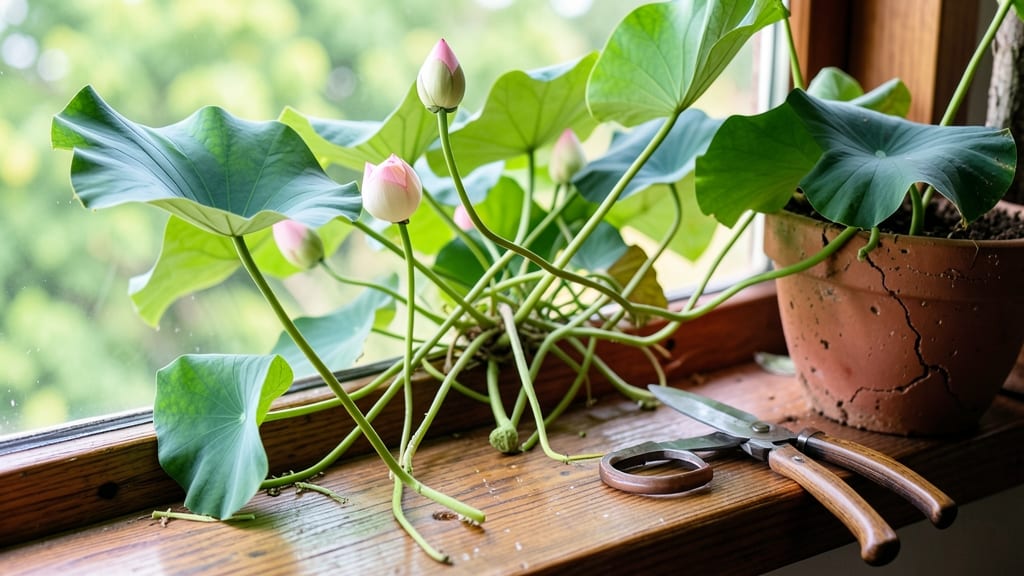
Want your lotus house plant to burst into vibrant blooms instead of leggy stems? Pruning isn’t just about looks—it’s the secret to triggering more flowers and denser foliage. The key is timing and technique, especially for showy lotus varieties that respond dramatically to the right cuts.
Start by deadheading spent blooms immediately—they sap energy that could fuel new flowers. Use clean, sharp scissors to trim just above a leaf node, always at a 45-degree angle to prevent water pooling. For leggy stems, prune back by one-third to encourage bushier growth. Focus on new shoots emerging from the base—these are your plant’s future blooms. Repeat every 4-6 weeks during active growth (spring and summer) for continuous flowering.
This method works wonders for gardeners who love dramatic displays, as it redirects energy toward producing more show-stopping blooms rather than sparse, stretched-out growth. Give it a try and watch your lotus transform! ✨
Pest Control for Lotus House Plants
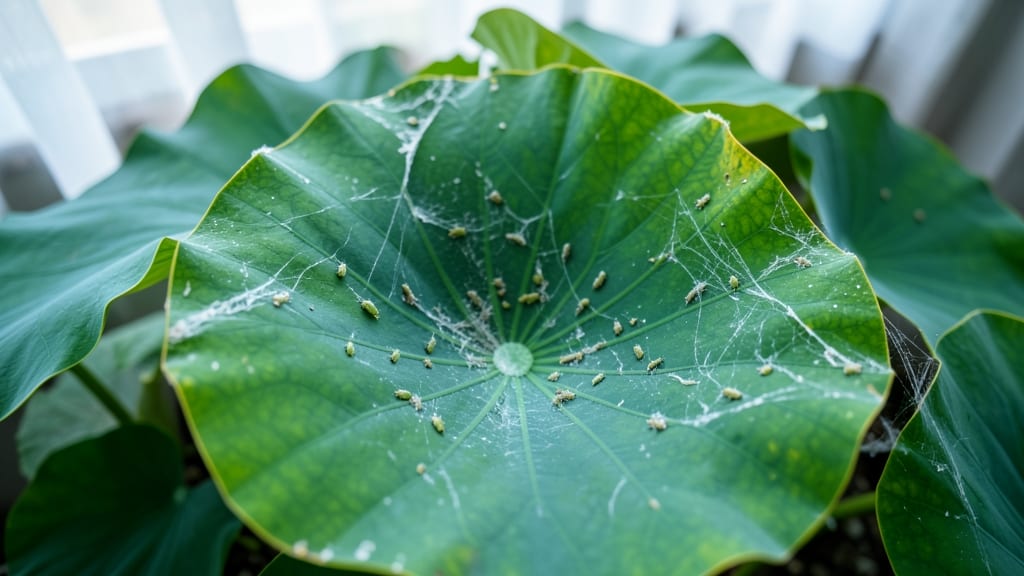
Notice tiny webs or sticky residue on your lotus house plant leaves? Those are telltale signs of aphids and spider mites, two pests that thrive on tender lotus foliage. The good news? You can banish them without reaching for harsh chemicals—just swap your spray bottle for these gentle, eco-friendly solutions.
Start with a neem oil spray (1 tsp neem oil + 1 quart water + dash of mild soap) applied weekly until pests disappear. For stubborn infestations, introduce beneficial insects like ladybugs or lacewings—they’ll feast on aphids while leaving your plant unharmed. Wipe leaves with a damp cloth to remove eggs and debris, and boost airflow by spacing plants apart to deter future pests.
These methods work best for eco-conscious gardeners who want to protect their lotus plant and the environment. Plus, your plant will reward you with glossy, pest-free leaves in no time! ✨
Seasonal Care Adjustments for Lotus Plants
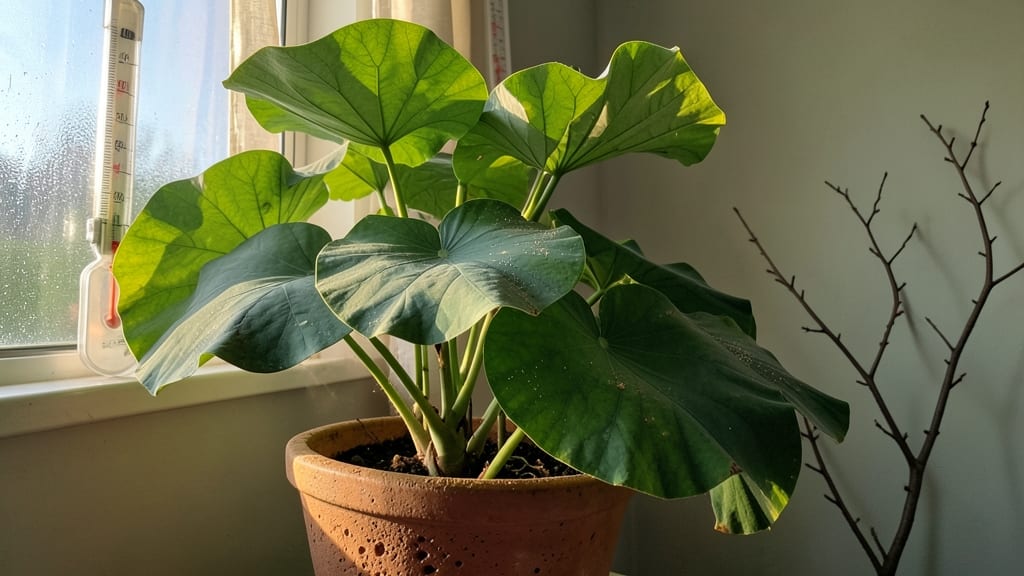
Your lotus house plant thrives on seasonal rhythm, but indoor temperature swings can throw it off—especially when switching between summer’s lush growth and winter’s dormancy. Without adjustments, your plant may shock into dormancy too early or struggle to wake up in spring, leading to stunted growth or even death.
From late fall to early spring, reduce watering by half and avoid fertilizing entirely—your lotus is entering a natural rest phase. Place it near a south-facing window for gentle winter light, but keep it away from cold drafts or heating vents. In spring and summer, reintroduce water gradually and resume fertilizing every 4-6 weeks to fuel new growth. A slow transition (like moving it outdoors in stages) prevents leaf scorch or sudden wilting.
This seasonal balance is especially crucial for urban gardeners with fluctuating indoor climates or beginners who worry about over- or under-care. With these tweaks, your lotus will bloom reliably year after year. ✨
Repotting Lotus Plants for Long-Term Health
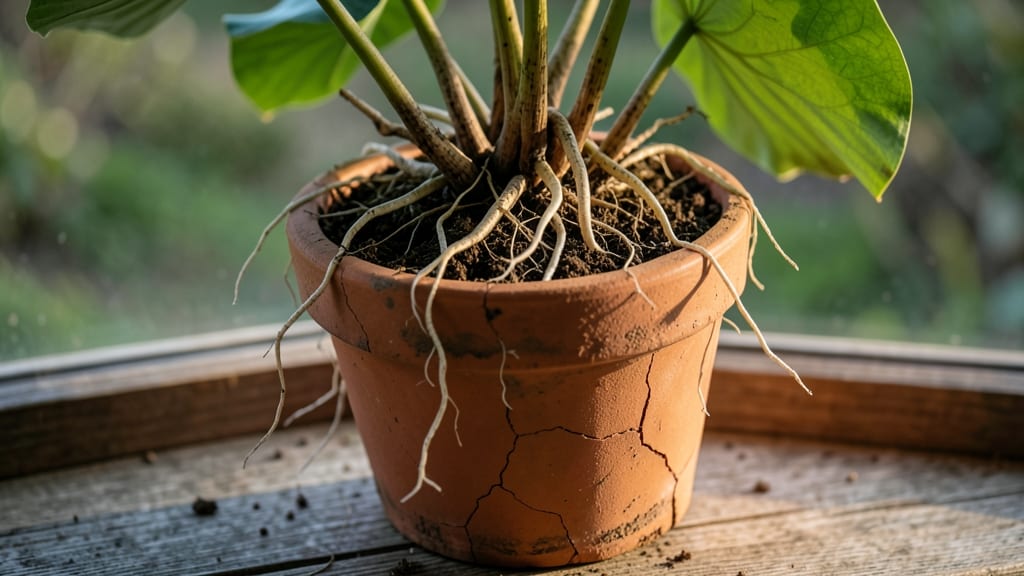
When your lotus house plant starts circling its pot like a caged animal, it’s time to upgrade its living space. Root-bound plants suffer from stunted growth and stress—repotting isn’t just about size, it’s about giving your lotus room to thrive and access fresh nutrients.
Start by choosing a pot just 2 inches larger in diameter than the current one, with drainage holes to prevent soggy roots. Gently loosen the root ball with your fingers (no tools!) and trim any circular roots growing around the edge to encourage outward growth. Use a well-draining mix—equal parts peat moss, perlite, and orchid bark—to mimic its natural habitat while preventing rot.
This is especially helpful for urban gardeners with limited space—repotting every 1-2 years keeps your lotus happy without overwhelming your home. 🌱
Troubleshooting Common Lotus Plant Problems

Seeing yellow leaves or wilting stems on your lotus plant? Don’t panic—these symptoms often point to fixable issues like overwatering, nutrient deficiencies, or light stress. A quick diagnostic can save your plant from permanent damage before it’s too late.
Start by checking the roots: soggy, black roots mean overwatering, while dry, brittle roots signal underwatering. Yellowing leaves often indicate too much direct sun or poor drainage, while no blooms could mean insufficient light or lack of fertilizer. Adjust care based on these clues—like moving your plant to bright, indirect light or repotting with a well-draining mix.
This guide is your lotus plant’s lifeline—perfect for beginners or busy gardeners who want to revive struggling plants fast. Act now, and your lotus will bounce back stronger than ever. ✨