
Planting
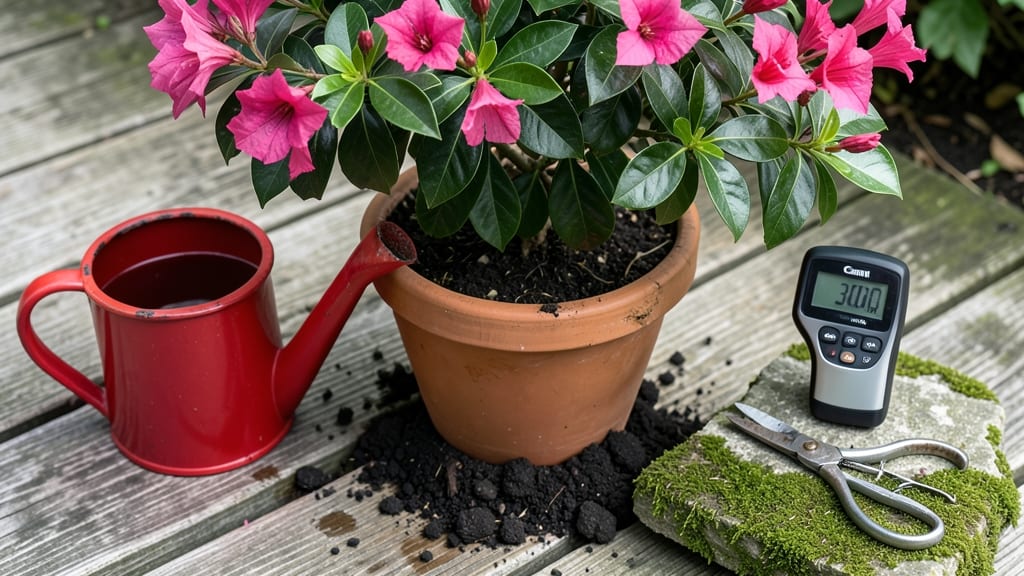
Your Mandevilla plant with brown leaves doesn’t mean it’s dying—just that it’s desperately asking for help. 🌿 I’ve nursed back more than a few of these tropical beauties from crispy edges to lush green, and the fixes are simpler than you’d think.
The key is spotting the exact stressor: too much water, not enough light, or hidden pests. Start by checking the soil—damp but not soggy is the sweet spot. Brown leaves often mean underwatering, but overwatering causes yellowing first, then browning.
Stick your finger in: if it’s dry past 1 inch, water deeply. If it’s still wet, hold off until the top 2 inches feel dry. Next, inspect the undersides of leaves for tiny whitefly clusters or sticky residue (aphids).
A strong spray of water or neem oil usually clears them out. Move your plant to brighter light—morning sun with afternoon shade works best—and watch the color return in days. With these three adjustments, your Mandevilla will bounce back faster than you’d expect. The secret?
Acting quickly before the stress spreads to the roots. Let’s get that foliage back to its vibrant best.
Root Causes Of Leaf Discoloration
When your Mandevilla plant’s leaves turn brown, it’s often a distress signal from the plant itself. Understanding the specific triggers behind this issue is the first step to restoring its lush, green beauty.
Below, we break down the most common culprits—each with a clear scientific explanation and actionable insights to help you diagnose the problem accurately.
Mandevillas are tropical vines that thrive in well-draining soil, and their roots are particularly sensitive to waterlogged conditions. When soil remains soggy for too long, oxygen deprivation in the root zone triggers a cascade of stress responses:
- Root rot (Phytophthora spp. or Pythium spp.): Fungal pathogens flourish in waterlogged soil, attacking root cells and blocking nutrient uptake. The plant compensates by shedding older leaves—often starting with brown edges or yellowing before browning entirely.
- Nutrient starvation: Roots unable to absorb water and minerals efficiently lead to chlorosis (yellowing) followed by necrosis (browning) as cells die from starvation.
- Toxicity buildup: Excess water leaches nutrients like nitrogen and potassium from the soil, while salts and minerals accumulate, creating a toxic environment for roots.
Actionable fix: Let the top 1–2 inches of soil dry out between waterings. Use a pot with drainage holes and amend soil with perlite or orchid bark (20–30% mix) to improve aeration. If root rot is suspected, repot the plant in fresh, sterile potting mix after trimming affected roots with sterilized scissors.
Mandevillas love bright light but are not drought-tolerant like succulents. When exposed to direct afternoon sun (especially in zones 9–11), their thin, waxy leaves can overheat, leading to:
- Photoxidative damage: Excess UV radiation breaks down chlorophyll, causing brown, crispy patches (often on leaf edges or upper surfaces). This is irreversible—only new growth will recover.
- Transpirational stress: High temperatures increase water loss faster than roots can replenish it, leading to wilting followed by browning.
Actionable fix:
- Move the plant to morning sun or partial shade (dappled light is ideal). Use a sheer curtain to filter harsh rays.
- Increase humidity with a pebble tray or misting (avoid wetting leaves at noon to prevent fungal risks).
- Apply a light shade cloth (30–50%) if growing outdoors in hot climates.
Mandevillas are tender perennials (USDA zones 9–11) and cannot tolerate temperatures below 40°F (4°C). When exposed to cold drafts, AC vents, or sudden temperature drops (e.g., moving from a greenhouse to a chilly room), their metabolic processes slow dramatically:
- Cell membrane damage: Cold stress disrupts lipid bilayers in leaf cells, causing brown, mushy spots as tissues break down.
- Nutrient transport failure: Chilled roots and stems can’t pump water and nutrients efficiently, leading to browning from the edges inward (a classic sign of cold injury).
Actionable fix:
- Keep Mandevillas indoors or in a frost-free greenhouse when temperatures dip below 50°F (10°C).
- Avoid placing them near windows, doors, or vents that create drafts.
- If moving the plant, acclimate it gradually over 3–5 days to prevent shock.
Brown leaves can also signal pathogenic invasions, particularly in humid or crowded growing conditions. The two most common offenders are:
| Pathogen | Symptoms | Scientific Mechanism |
|---|---|---|
| Alternaria leaf spot (fungus) | Brown, circular lesions with yellow halos; often on lower leaves. | Fungal spores release cellulolytic enzymes that degrade leaf tissue, creating necrotic spots. Thrives in 75–85°F (24–29°C) with high humidity. |
| Pseudomonas syringae (bacteria) | Brown, water-soaked patches that spread rapidly; often with oozing. | Bacteria inject toxin proteins (e.g., coronatine) that trigger hypersensitive response—cells sacrifice themselves to contain the infection, turning brown. |
Actionable fix:
- Remove all infected leaves immediately and disinfect pruners with 70% isopropyl alcohol.
- Apply a copper fungicide (e.g., Bordeaux mix) or neem oil spray (1 tsp neem oil + 1 tsp mild soap per quart of water) every 7–10 days for 3 weeks.
- Improve air circulation with a fan and avoid overhead watering to reduce humidity on leaves.
Brown leaves can also indicate imbalances in essential nutrients. While Mandevillas are relatively low-maintenance, deficiencies or excesses of key elements disrupt cellular function:
- Potassium (K) deficiency: Leads to brown, dead spots between leaf veins (especially on older leaves). Potassium regulates osmotic balance and enzyme activity—without it, cells lose turgor pressure and die.
- Magnesium (Mg) deficiency: Causes interveinal browning (brown patches between veins) as chlorophyll production halts. Magnesium is central to chlorophyll molecules.
- Salt buildup (from tap water or fertilizers): Excess sodium or chlorine displaces potassium in root cells, leading to browning and leaf scorch.
Actionable fix:
- Test soil with a DIY kit or send a sample to a local extension office. Amend with Epsom salt (magnesium sulfate) (1 tbsp per gallon of water, monthly) or a balanced liquid fertilizer (10-10-10).
- Flush the soil with distilled or rainwater to leach excess salts (water until it runs freely from drainage holes).
- Avoid fertilizing if the plant is already stressed (e.g., from overwatering or pests).
How to solve it
If your Mandevilla plant’s leaves are turning brown, don’t panic—most issues have simple, actionable fixes. Below, we’ve mapped the most common causes to step-by-step solutions, plus prevention tips to keep your plant thriving. 🌿💚
Mandevillas hate soggy roots, and overwatering is the #1 culprit behind brown, mushy leaves. Here’s how to correct it:
- 🔥 Step 1: Stop Watering Immediately Let the top 1–2 inches of soil dry out completely before watering again. Stick your finger in the soil—if it’s damp, wait!
- 🍳 Step 2: Improve Drainage If your pot lacks drainage holes, transfer your Mandevilla to a new container with holes. Add a layer of gravel or perlite at the bottom to prevent waterlogging.
- 👨🍳 Step 3: Repot if Needed If roots are rotting (smelly, black, or mushy), trim the affected roots with sterilized scissors and repot in fresh, well-draining potting mix.
💡 Prevention Tip: Water only when the top inch of soil is bone-dry. Mandevillas prefer slightly dry conditions over soggy soil!
Brown, crispy edges on leaves? Your Mandevilla might be getting too much direct sun, especially in hot climates. Fix it with these steps:
- 🔪 Step 1: Move to Partial Shade Relocate your plant to a spot with morning sun and afternoon shade. East-facing windows or dappled sunlight work best.
- 🌡️ Step 2: Gradually Acclimate If your plant was previously in full sun, move it to a shadier spot for a week before full transition to avoid shock.
- ✨ Step 3: Protect Outdoor Plants Use a sheer curtain or shade cloth (30–50% coverage) if growing outside during peak summer heat.
💡 Prevention Tip: Mandevillas thrive in bright, indirect light. Avoid placing them in harsh afternoon sun, especially in desert or tropical climates.
Yellowing or brown leaves with pale veins could signal a lack of essential nutrients. Boost your Mandevilla’s health with these fixes:
- 📊 Step 1: Fertilize Properly Use a balanced liquid fertilizer (10-10-10 or 20-20-20) diluted to half-strength. Apply every 4–6 weeks during spring and summer.
- 💪 Step 2: Check for Micronutrients If brown spots appear between veins, your plant may need magnesium or iron. Use a chelated iron supplement or Epsom salt (1 tbsp per gallon of water) monthly.
- 🥗 Step 3: Repot with Fresh Soil If roots are root-bound, repot into a slightly larger container with fresh, nutrient-rich potting mix.
💡 Prevention Tip: Flush the soil every 3–4 months to remove salt buildup from fertilizers, which can block nutrient absorption.
Brown, sticky, or curled leaves could mean pests like spider mites, aphids, or scale insects are sucking the life out of your plant. Act fast with these steps:
- 🔥 Step 1: Isolate the Plant Move your Mandevilla away from other plants to prevent spreading. Check the undersides of leaves for tiny webs, eggs, or insects.
- 🍳 Step 2: Blast Off Pests Spray leaves with a soapy water solution (1 tsp mild dish soap per quart of water) or neem oil (1 tsp per liter of water). Reapply every 5–7 days.
- 👨🍳 Step 3: Introduce Beneficial Insects For stubborn infestations, release ladybugs or lacewings (available at garden centers) to naturally control pests.
💡 Prevention Tip: Inspect new plants before bringing them home, and avoid overcrowding—pests thrive in dense foliage!
Brown, wilted leaves can also signal temperature extremes. Mandevillas prefer warmth but struggle with cold drafts or sudden chills. Try these fixes:
- ⏰ Step 1: Keep It Warm Move your plant away from windows, doors, or AC vents that create drafts. Ideal temps: 60–80°F (15–27°C).
- 🔥 Step 2: Protect from Cold If growing outdoors, bring potted Mandevillas indoors before temperatures drop below 50°F (10°C).
- 🌡️ Step 3: Humidity Boost Brown leaf tips in dry air? Place a tray of water near the plant or use a humidifier to keep levels above 40%.
💡 Prevention Tip: Avoid sudden temperature swings—like moving a plant from a warm porch to a chilly garage overnight.
Frequently asked questions
Why do my Mandevilla leaves turn brown only on the edges?
This is usually a sign of either underwatering or excessive sunlight exposure. Check the soil first—if it's dry past 1 inch, water deeply. If the plant gets afternoon sun, move it to a spot with morning light and afternoon shade. Brown edges from sunburn won't recover, but new growth will look better once conditions improve.
Can I save my Mandevilla if the brown leaves are mushy and smelly?
That's a classic sign of root rot from overwatering. Trim any black, mushy roots with sterilized scissors, then repot in fresh, well-draining soil with perlite or orchid bark. Hold off on watering for 5-7 days to let roots recover. If most roots are rotted, propagation from healthy stems may be your best option.
How often should I fertilize a Mandevilla with brown leaves?
Wait until you've addressed the brown leaf issue first! Once your plant is healthy, use a balanced fertilizer (10-10-10) diluted to half-strength every 4-6 weeks during spring and summer. Over-fertilizing stressed plants can worsen problems. For nutrient deficiencies, try Epsom salt (magnesium) first before switching to full-strength fertilizer.
Will pruning brown leaves help my Mandevilla recover?
Yes, but focus on removing only the damaged leaves—never prune healthy growth. Use clean scissors to cut just above a leaf node. This helps the plant redirect energy to new growth. For severe cases, you can prune up to 1/3 of the plant, but avoid cutting into woody stems. Always disinfect tools with 70% isopropyl alcohol between cuts.
Can brown leaves from cold damage be reversed?
Cold damage is often irreversible, but you can help your Mandevilla recover by creating ideal conditions. Move it to 60-80°F (15-27°C) temperatures, increase humidity with a pebble tray, and avoid drafts. The plant will grow new leaves, but the damaged ones won't return to green. Protect it from future cold snaps by bringing it indoors before temps drop below 50°F (10°C).