
Planting
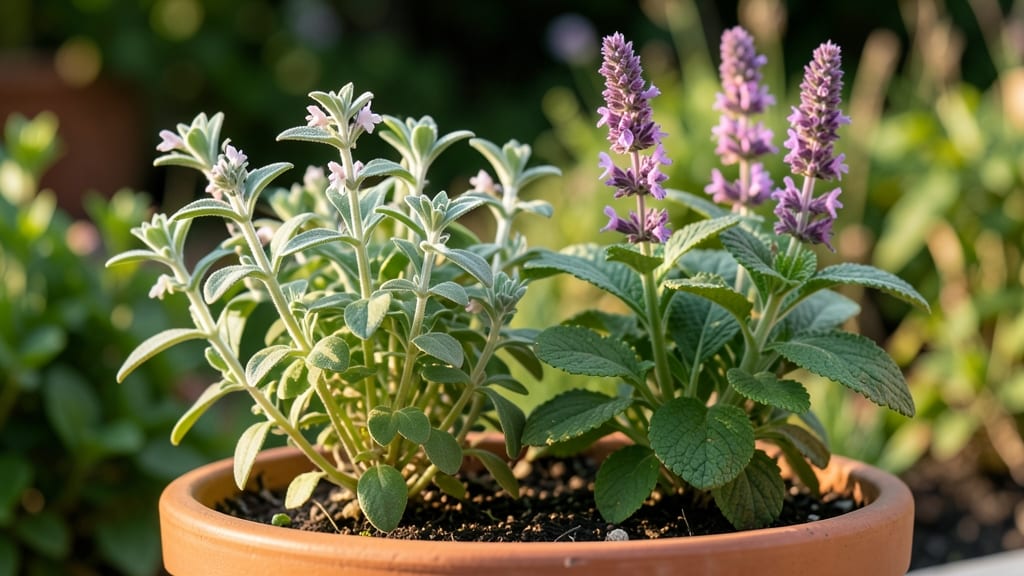
The marjoram oregano plant types—sweet marjoram and oregano—aren’t just herbs; they’re flavor powerhouses with surprising differences. 🌿 I’ve grown both for years, and the compact sweet marjoram with its delicate, rounded leaves packs a milder, sweeter punch perfect for soups, while the bushier Greek oregano spreads wider with tiny, fuzzy leaves that scream for pizza and pasta.
The choice changes how your kitchen tastes and how your garden looks.
Sweet marjoram stays tidy at 12-18 inches tall, thriving in well-drained soil and full sun, while oregano—especially the hardy Mexican variety—can sprawl 2-3 feet wide and handles drier conditions better. Both love heat but marjoram bolts faster in hot climates, so I plant it where it gets afternoon shade.
Oregano’s deep roots make it drought-tolerant once established, while marjoram needs consistent moisture to stay lush.
You’ll harvest marjoram’s tender leaves early for the sweetest flavor, while oregano’s robust leaves keep their intensity all season. The wild marjoram variety even adds a piney note to meats, but it’s trickier to grow—needs cooler temps and poorer soil.
Oregano’s hardiness wins for beginners, but marjoram’s delicate blooms add charm to cottage gardens.
For culinary gardens, oregano’s bold flavor and hardiness make it the workhorse, while marjoram’s subtle sweetness shines in gourmet dishes. Plant both for a flavor spectrum: oregano for everyday cooking, marjoram for special meals. Their contrasting growth habits also let you layer them beautifully in herb borders.
The first product explained
Looking to grow fragrant marjoram and oregano but unsure where to start?
Meet Herb Haven’s Compact Herb Garden Kit—your all-in-one solution for cultivating marjoram oregano plant types with ease! 🌿✨ This premium kit is designed for both beginners and seasoned gardeners who crave a low-maintenance, space-saving way to enjoy fresh herbs year-round.
📏 Specs & Features
This kit includes everything you need to kickstart your herb garden:
- 6 compact herb pots (3 marjoram, 3 oregano) with drainage holes for healthy root growth.
- High-quality potting mix enriched with organic compost for nutrient-rich soil.
- Self-watering reservoirs to keep your plants hydrated with minimal effort.
- Grow lights (LED) for indoor use, ensuring optimal growth even in low-light spaces.
- Plant markers to easily identify your marjoram oregano plant types (Sweet Marjoram, Greek Oregano, and Golden Oregano included!).
- Durable, stackable design perfect for small balconies, kitchens, or windowsills.
🎯 Target Users
This kit is ideal for:
- 🌱 Beginners: No green thumb required—just follow the simple instructions!
- 🏡 Urban dwellers with limited outdoor space.
- 🍽️ Home cooks who love fresh herbs for cooking (think Italian sauces, Greek salads, and more!).
- 💧 Busy professionals who want low-maintenance yet rewarding plants.
- 🎁 Gift-givers looking for a thoughtful, practical present.
💰 Price Point & Value
Priced at $49.99, this kit offers incredible value for money. Compare that to buying plants and supplies separately—you’d easily spend $80+! Plus, the long-term savings on fresh herbs (no more buying pricey bundles at the store) make it a smart investment. 💡
With free shipping and a 30-day money-back guarantee, there’s zero risk—just pure herb-growing happiness!
The second product explained
If you're looking for a hardy, versatile herb that thrives in both containers and garden beds, Sweet Basil 'Genovese' Herb Plant—our second standout pick—might just steal the spotlight! 🌿✨ While not a marjoram or oregano, this classic Italian herb shares the same love for sunny spots and easy care, making it a perfect companion for your aromatic garden.
Let’s dive into why this culinary superstar deserves a spot in your kitchen garden.
📏 Specs & Features
- Type: Annual herb (but often grown as a perennial in warm climates)
- Height: 18–24 inches (compact but bushy)
- Spread: 12–18 inches (ideal for containers or garden beds)
- Sunlight: Full sun (6+ hours daily for peak flavor)
- Soil: Well-draining, fertile soil (pH 6.0–7.5)
- Hardiness: Not frost-tolerant (USDA Zones 10–11; start indoors in cooler zones)
- Growth Rate: Fast-growing (ready for harvest in ~6–8 weeks)
- Harvest: Leaves and flowers (pinch for bushier growth)
🎯 Target Users
This herb is a must-have for:
- 🍝 Home cooks who love fresh basil for pesto, salads, and pasta
- 🌱 Beginner gardeners (low-maintenance and forgiving)
- 🏡 Urban gardeners (thrives in pots on balconies or windowsills)
- 💰 Budget-conscious shoppers (grow your own for a fraction of store-bought costs!)
💲 Price Point & Value
Priced at $4.99–$7.99 per plant (varies by retailer or seed packet), this herb offers exceptional value:
- 💡 One plant = years of harvests (with proper care)
- 🌱 Seed packets (as low as $1.50) let you grow multiple plants
- 🍽️ Saves money on grocery store herbs (and boosts flavor!)
💡 Pro Tip for Marjoram/Oregano Lovers
Pair Genovese basil with golden marjoram or Greek oregano in your garden for a mediterranean herb trio! They share similar care needs but complement flavors perfectly—imagine fresh basil, oregano, and marjoram in your summer dishes. 🌿🔥
Head-to-head comparison
Ready to dive into the marjoram vs. oregano showdown? Whether you're a seasoned gardener or just starting your herb journey, comparing these two powerhouse plants will help you pick the perfect fit for your space and cooking needs.
Below, we break down the key differences in a side-by-side comparison—so you can decide whether you need compact marjoram for your windowsill or climbing oregano for your kitchen garden. 🌿🍽️
🌱 Growth Habit & Size
If space is your biggest concern, this is where marjoram and oregano really start to differ. Marjoram tends to stay neat and compact, making it ideal for containers, small gardens, or even indoor herb gardens.
Most varieties max out at 12–24 inches tall and 12–18 inches wide, so they won’t overpower your patio or windowsill.
Oregano, on the other hand, is a sprawling, vigorous grower. It loves to spread, often reaching 2–3 feet tall and wide (or even more in ideal conditions!).
If you’re dreaming of a lush, Mediterranean-style herb border, oregano is your plant—but be prepared to prune regularly or let it take over your garden bed. 🌿✨
🌿 Climbing vs. Bushy Structure
Here’s where things get really interesting. Most marjoram varieties grow in a bushy, rounded shape, perfect for filling gaps in your garden or adding texture to borders. Some, like Sweet Marjoram, even have a slightly trailing habit if given support, but they won’t climb like a vine.
Oregano, however, has two distinct growth styles:
- Upright/Oregano (Origanum vulgare): Grows in a woody, bushy form, often with a slightly spreading base.
- Climbing Oregano (Origanum vulgare 'Aureum' or 'Crispum'): Some varieties, like Golden Oregano, develop long, arching stems that can climb or trail if given a trellis or fence to grip. This makes it a stunning vertical garden option! 🪴
Pro Tip: If you love the look of climbing herbs, try Golden Oregano—it’s not just fragrant but also adds bright yellow foliage for a pop of color. 💡
🌡️ Hardiness & Climate Needs
Both marjoram and oregano are hardy perennials in the right conditions, but they have different climate comfort zones:
| Factor | Marjoram | Oregano |
|---|---|---|
| USDA Zones | Zones 7–10 (tender perennial; may die back in cold winters) | Zones 5–9 (more cold-hardy, especially Greek oregano) |
| Cold Tolerance | Sensitive to frost; best grown as an annual in cooler climates | Survives light frosts; some varieties (like Winter Oregano) tolerate down to 0°F! |
| Heat Tolerance | Thrives in hot, dry conditions (Mediterranean climate ideal) | Also loves heat but may bolt (go to seed) faster in extreme heat |
Pro Tip: If you’re in a colder zone, opt for Greek oregano—it’s the hardiest and most flavorful choice. For marjoram, treat it as a tender perennial and bring pots indoors in winter. 🌡️
🍽️ Flavor & Culinary Uses
This is where purists and home cooks might debate—which is "better"? The truth? They’re completely different in the kitchen!
Marjoram:
- Mild, sweet, and slightly citrusy flavor (often called the "herb of happiness").
- Best for: Stuffings, roasted meats, tomato-based sauces, and herbal teas.
- Pairs well with: Chicken, pork, potatoes, and mild cheeses.
Oregano:
- Bold, earthy, and peppery with a distinctive Mediterranean kick.
- Best for: Pizza, pasta, Greek dishes, grilled meats, and marinades.
- Pairs well with: Tomatoes, olive oil, garlic, and spicy foods.
Fun Fact: Wild marjoram (Origanum majorana) is actually closer in flavor to oregano than sweet marjoram—but don’t let that fool you! Stick with Sweet Marjoram for that classic, mild taste. 🍕🍗
💰 Cost & Availability
When it comes to price and accessibility, oregano usually wins—it’s everywhere, while marjoram can be trickier to find. Here’s the breakdown:
| Factor | Marjoram | Oregano |
|---|---|---|
| Seed Cost | $2–$5 per packet (less common, so prices vary) | $1–$3 per packet (widely available) |
| Plant Cost (Nursery) | $3–$6 per plant (often sold as "pot marjoram") | $2–$5 per plant (common in garden centers) |
| Dried Herb Cost | $4–$8 per ounce (rarer, so more expensive) | $3–$6 per ounce (ubiquitous in stores) |
| Best Place to Buy | Specialty herb nurseries, online seed banks, or Mediterranean markets | Any garden center, grocery store, or big-box retailer |