
Planting
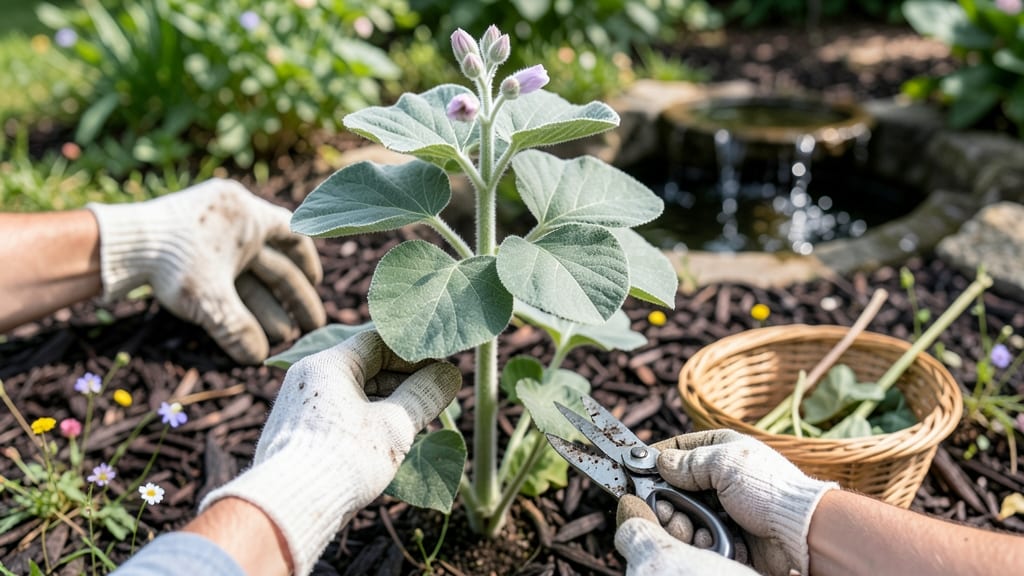
The marsh mallow plant (Althaea officinalis) is edible, with its young leaves, stems, and roots traditionally used for teas, soups, or as a natural thickener, though consuming large amounts may cause digestive discomfort due to mucilage content. Always harvest sustainably and verify identification before eating wild specimens.
The marsh mallow plant's edible parts—especially its young leaves and roots—have been used for centuries in herbal remedies and cooking. 🌿 The roots, when dried and powdered, create a gel-like substance perfect for thickening stews or making traditional marshmallows, while the leaves can be lightly cooked like spinach.
However, the high mucilage content means moderation is key, as overconsumption may lead to sluggish digestion. I always recommend starting with small amounts to test tolerance, especially if you're new to this plant.
Before harvesting, double-check that you've identified the plant correctly—mistaking it for toxic look-alikes can have serious consequences. The plant thrives in wetland areas, so sustainable harvesting means taking only what you need and leaving the rest for ecosystems.
For best results, harvest leaves in spring when they're tender, and roots in autumn after the plant's energy has moved underground.
💡 In This Article
- Edible Parts of Marsh Mallow Plant and Their Nutritional Value
- How to Safely Harvest and Prepare Marsh Mallow for Cooking
Edible parts of marsh mallow plant and their nutritional value
The marsh mallow plant (Althaea officinalis) offers three primary edible components, each with distinct nutritional profiles and culinary uses. The young leaves contain vitamin C (about 20-30 mg per 100g), potassium, and calcium, making them a mild but nutritious addition to salads or cooked greens.
Their texture is delicate when harvested early in spring, similar to young spinach leaves but with a slightly sweeter, almost honey-like flavor when cooked. 🌱
The roots are the most potent part, packed with mucilage (up to 35% by weight when dried), which gives them their signature thickening properties. This gel-like substance is rich in polysaccharides and has been used historically to soothe throat irritations and digestive issues.
When boiled, the roots release a slippery, translucent liquid that can replace commercial thickeners in soups or sauces. Nutritionally, they also provide small amounts of iron and magnesium, though their real value lies in their functional benefits rather than micronutrient density.
The stems are less commonly used but can be peeled and added to stews or broths for their mild, earthy flavor. They contain a balanced mix of the same nutrients found in leaves but in lower concentrations.
The key to maximizing their benefits is proper preparation—peeling removes any fibrous outer layers, while light cooking (no more than 5-7 minutes) preserves their delicate texture.
Overcooking can turn them mushy due to the mucilage breaking down too quickly, which is why they're often added toward the end of cooking. 💫
What sets marsh mallow apart is its mucilage content, which acts as a natural prebiotic, potentially supporting gut health. However, this same property can cause digestive discomfort if consumed in excess—think of it like eating too much oatmeal or chia seeds.
The mucilage absorbs water, expanding in the digestive tract and potentially leading to bloating or sluggishness. This is why traditional uses recommend 1-2 teaspoons of dried root per cup of liquid for teas or 10-15g of fresh leaves per serving when used as a vegetable.
Nutritionally, the plant's value lies more in its functional properties than caloric content. A 100g serving of cooked leaves provides roughly 30-40 calories, while the roots contribute even fewer due to their fibrous nature.
The real magic happens when you use them as a natural thickener—their ability to gel at temperatures above 60°C (140°F) makes them ideal for reducing sauces or creating velvety soups without added starches.
For example, a 1:4 ratio of dried root to water creates a smooth, syrupy consistency perfect for glaze.
One often-overlooked benefit is the plant's anti-inflammatory properties, attributed to its high polyphenol content. Studies suggest that regular, moderate consumption (like 1-2 cups of tea per day) may help reduce mild inflammation, though more research is needed.
The catch? These benefits are dose-dependent—too much can backfire due to the mucilage's binding effects. Always introduce marsh mallow gradually to gauge your tolerance, especially if you have sensitive digestion. ✨