
Planting
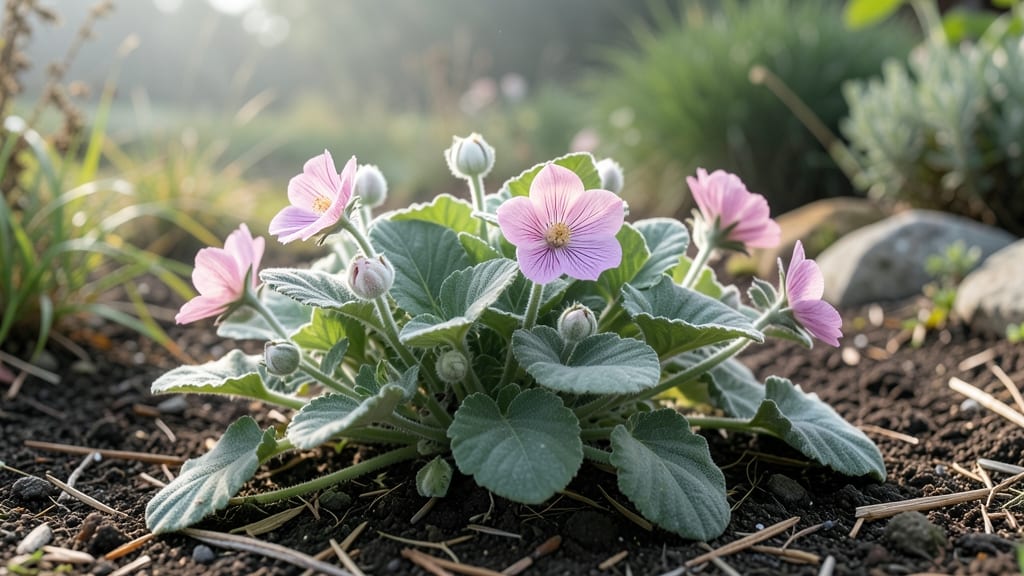
That fuzzy white marshmallow plant weed popping up in your garden? It’s probably malva neglecta—a tenacious invader that spreads faster than you can say "regrowth." I’ve yanked enough of these stubborn plants to know the fastest way to stop them before they take over your beds.
The key is acting quickly before those deep roots lock in.
This weed thrives in cracks, sidewalks, and disturbed soil, so it’s not just a garden nuisance—it’s a space hog. Pulling it by hand works, but you’ll need to dig deep (2+ inches) to avoid regrowth.
A glove grip on the base and a sharp tug usually does the trick, though stubborn clumps might need a hula hoe for clean removal.
Once gone, smother bare spots with cardboard or mulch to block sunlight—this weed won’t sprout in the dark. For stubborn patches, a vinegar spray (20% acetic acid) kills it on contact, but test a small area first.
The good news? No redeeming uses here—just a nuisance that’s easier to prevent than cure.
Prevention starts with dense planting and weed barriers. Fill cracks in walkways with gravel, and keep mulch thick (3+ inches) to starve out seedlings. If you’ve got kids or pets, wear gloves—those sap-stained hands are a dead giveaway you’ve been fighting this fluffball.
📚 In This Guide
- What you need
- Instructions
- Tips and common mistakes
- Wrapping up and next steps
What you need
- ● Gloves – Heavy-duty gardening gloves (nitrile or leather) to protect your hands from prickly stems and sap. (2 pairs recommended—one for pulling, one for cleanup.)
- ○ Garden Fork or Dandelion Weeder – A sturdy weeding fork (18–24 inches) or a long-handled weeder to dig out deep roots without bending over. (Optional: A hula hoe for larger patches.)
- ● Sharp Pruners or Scissors – Bypass pruners (clean and sharp) to snip stubborn stems or seed heads. (Disinfect with rubbing alcohol between uses!)
- ● Trash Bags – Heavy-duty contractor bags (2–3) for hauling out weeds and debris. (Line your wheelbarrow or bucket with one for easy disposal.)
- ● Wheelbarrow or Bucket – A 5-gallon bucket or small wheelbarrow to collect weeds. (Add a lid to contain seeds!)
- ● White Vinegar or Herbicide – 20–30% acetic acid vinegar (1 gallon) or a glyphosate-free herbicide (like vinegar + dish soap spray) for stubborn regrowth. (Test on a small area first!)
- ● Mulch or Landscape Fabric – Cardboard or newspaper (3–4 layers) + wood chips or straw mulch (2–3 inches) to smother remaining roots.
- ● Magnifying Glass – For spotting tiny seedlings or hidden roots.
- ● Spray Bottle – Mix vinegar + dish soap (1:1 ratio) for targeted weed killer.
- ● Kneeling Pad – For comfort during long sessions.
- ● Identification Guide – A plant app (like PlantNet or iNaturalist) or a field guide to confirm marshmallow weed vs. edible mallows.
- ● Compost Bin – If you’re not using weeds with seeds (they’ll sprout again!).
Quick-identify and remove marshmallow plant weed without regrowth
Here’s how to spot and eliminate this stubborn weed in minutes—no harsh chemicals needed.
Identify the Marshmallow Plant Weed
The marshmallow plant weed (Malva neglecta) gets its name from its soft, fuzzy leaves that feel almost velvety to the touch. Look for small, rounded leaves with scalloped edges growing in clusters along a low, sprawling stem. The stems are hairy and often reddish at the base, while the flowers are tiny and pale pink or white, blooming in clusters near the leaf axils.
This weed thrives in disturbed soil, often popping up in garden beds, cracks in pavement, or between paving stones. It spreads quickly through both seeds and creeping roots, so early identification is key. If you spot it near your prized plants, act fast—it can smother smaller vegetation and compete aggressively for nutrients.
Pull by Hand at the Right Time
The best time to remove marshmallow plant weed is after a light rain or when the soil is moist but not soggy. Grasp the base of the weed firmly and pull upward with steady pressure—you’ll feel resistance as you break through the shallow root system. For stubborn patches, use a trowel to loosen the soil around the roots before pulling.
Don’t just snap off the top growth; this encourages regrowth. Instead, aim to remove the entire root system, including any creeping rhizomes hidden beneath the surface. If you leave even a small piece behind, the weed will regenerate within days. Work methodically, checking the soil for missed fragments.
Smother Remaining Roots to Prevent Regrowth
After pulling, inspect the area for any remaining root fragments or seeds. If you spot leftover pieces, carefully dig them out with a small hand fork or your fingers. For larger infestations, cover the cleared area with a thick layer of cardboard or landscape fabric to block sunlight and prevent new growth. Secure the edges with rocks or soil to keep it in place.
Over time, the weeds beneath will decompose, and new plants won’t be able to push through the barrier. This method is especially effective in garden beds where you plan to replant—just remove the smothering layer before adding fresh mulch or soil. For cracks in pavement, a targeted application of corn gluten meal (a natural pre-emergent) can help prevent future sprouts.
Monitor and Repeat as Needed
Marshmallow plant weed is persistent, so check the treated area every 7-10 days for new shoots. If you notice any regrowth, repeat the pulling process immediately—catching it early makes removal much easier. Over time, consistency is your best tool; this weed won’t stand a chance if you stay vigilant.
For long-term prevention, improve soil health with compost or mulch to crowd out weeds naturally. Healthy plants leave less space for marshmallow weed to take hold. If the infestation is severe, consider hand-weeding a few times a week until the area is clear—it’s the most reliable way to keep it from coming back.
Tips & tricks for eradicating marshmallow plant weed
These targeted strategies will help you tackle this tenacious weed efficiently and prevent it from creeping back into your garden.
Visual Identification Tip: Pay close attention to the unique fuzzy texture of the leaves and the distinctive pale pink flowers clustered near the leaf axils. These visual cues are your best allies in distinguishing marshmallow plant weed from other weeds. The reddish stems are another key identifier—this weed doesn't hide well once you know what to look for.
Timing Secret: The 7-10 day monitoring window mentioned in Step 4 is crucial because this weed's seeds can remain dormant in the soil for years. Don't let that lull you into thinking you've won the battle—consistent checks prevent the weed from establishing a foothold. I've seen infestations return within weeks if this step is skipped, so set a reminder if needed.
Root Removal Strategy: When pulling weeds in Step 2, think of this as a surgical operation—not just removing the visible parts but targeting the entire root system. The shallow roots are surprisingly extensive, so use your fingers to probe the soil around each weed. A small hand fork is invaluable here for dislodging stubborn roots without disturbing nearby plants.
Pro Tips for Marshmallow Plant Weed
- These targeted strategies will help you tackle this tenacious weed efficiently and prevent it from creeping back into your garden.
- Visual Identification Tip: Pay close attention to the unique fuzzy texture of the leaves and the distinctive pale pink flowers clustered near the leaf axils.
- Timing Secret: The 7-10 day monitoring window mentioned in Step 4 is crucial because this weed's seeds can remain dormant in the soil for years.
Frequently asked questions
Got questions about marshmallow plant weed?
You’re not alone! Here are the most common concerns—and straightforward answers—to help you tackle this pesky invader with confidence.
What does marshmallow plant weed look like, and how can I tell it apart from other weeds?
The marshmallow plant weed (often confused with mallow or cheeseweed) has round, fuzzy leaves with jagged edges and pale yellow flowers. Unlike dandelions, it lacks a rosette pattern, and its stems are hairy. Check for white, cottony fibers on stems or leaves—a dead giveaway!
When is the best time to remove marshmallow plant weed to prevent regrowth?
Pull or dig out weeds before they flower (spring to early summer) to stop seed spread. Use a weeding fork or gloves to avoid sap irritation. Never compost—toss it in the trash to prevent regrowth. For stubborn roots, repeat every 2–3 weeks until gone.
Is marshmallow plant weed toxic, or can it harm pets/gardens?
While not highly toxic, its sap can irritate skin (wear gloves!). For pets, ingestion may cause mild stomach upset, but it’s not deadly. The real threat? It competes with veggies for nutrients, stunting growth. Remove it ASAP to protect your garden’s health.
What’s the fastest way to kill marshmallow plant weed without chemicals?
Try vinegar-based spray (1 gallon white vinegar + 1 cup dish soap + 1 tbsp salt) on a sunny day. For large patches, smother with cardboard for 4–6 weeks. Hand-pulling works too—just grab the base and yank (roots and all!).
Can I reuse the space after removing marshmallow plant weed?
Yes! Once removed, amend the soil with compost to restore nutrients. Wait 1–2 weeks before replanting to let the area recover. For high-value plants (like tomatoes), add a mulch layer to block new weeds.
Wrapping up and next steps
Removing marshmallow plant weed from your garden doesn’t have to be a daunting task—with the right tools and techniques, you can keep your yard lush and healthy! 🌱 Whether you opt for manual extraction, herbicides, or natural remedies, consistency is key to preventing regrowth.
Start small, stay vigilant, and enjoy the satisfaction of a weed-free space.
Ready to take action? Grab your gloves and tackle those pesky weeds today! For extra help, share your progress with fellow gardeners or explore more tips on maintaining a thriving garden. Happy gardening! 🌿