
Planting
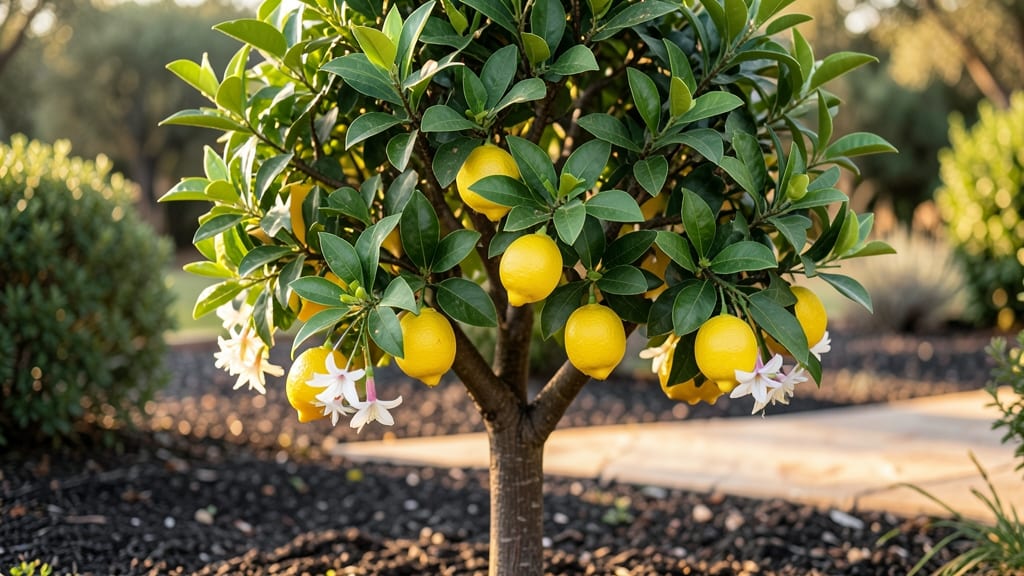
Growing Mediterranean citrus plants like lemons and bitter orange means year-round harvests even in cooler climates. ✨ I’ve grown these sun-loving trees for years—now I’ll show you how to mimic their perfect Mediterranean home, whether in pots or your yard.
The secret is simple: well-draining soil, full sun, and winter protection. Mediterranean citrus thrives in sandy, slightly acidic soil and needs 6+ hours of sunlight daily. Water deeply but let the top inch dry between soakings—overwatering kills roots faster than cold.
By summer, you’ll be picking bright lemons or fragrant bitter orange blossoms, and the scent alone makes it worth the effort. Prune in late winter to shape the tree and remove dead growth, and move containers indoors before frost hits.
Works in zones 9-11 outdoors, but containers let you grow them anywhere—even in cold climates with a little winter TLC. The payoff? Fresh citrus all year, no grocery store needed.
📚 In This Guide
- What you need
- Instructions
- Tips and common mistakes
- Wrapping up and next steps
What you need
- ● Citrus plant: Choose a Mediterranean-friendly variety like Citrus × aurantium (bitter orange), Citrus × limon (lemon), or Citrus × bergamia (bergamot). Opt for a 1-3 gallon container-grown sapling for easiest success.
- ● Well-draining potting mix: 5-10 gallons of a blend like 60% cactus/succulent mix + 30% perlite + 10% compost. Avoid heavy garden soil.
- ● Container (if not planting in ground): For saplings: 15-20 gallon pot with drainage holes.
- ● For mature trees: 30+ gallon container (minimum 18" diameter).
- ● Fertilizer: Citrus-specific fertilizer (e.g., Espoma Citrus-Tone) or a balanced 8-8-8 or 10-10-10 NPK blend with micronutrients.
- ● Mulch: 2-3 inches of wood chips or straw to retain moisture and regulate soil temp.
- ● Gloves & trowel for planting.
- ● Watering can or hose with gentle spray nozzle (citrus hates soggy roots!).
- ● pH test kit (ideal soil pH: 6.0–7.0).
- ● Pruning shears (sterilized with rubbing alcohol).
- ○ Optional but helpful: Drip irrigation system for large trees.
- ● Shade cloth (30–50%) for young plants in intense afternoon sun.
- ● Citrus-specific pest control (e.g., neem oil for aphids).
- ● Full sun (6+ hours/day)—Mediterranean citrus thrives in USDA Zones 9–11. In cooler zones, grow in containers and overwinter indoors.
- ● Protection from wind (young trees are vulnerable).
- ● Access to water—citrus needs 1–2 inches of water weekly (adjust for heatwaves).
How to grow Mediterranean citrus plants for sun-resistant yields
Here’s how I’ve successfully cultivated hardy Mediterranean citrus varieties that thrive in hot climates—no greenhouse needed.
🌱 Step 1: Select the Right Varieties for Your Climate
Mediterranean citrus like lemon (Citrus limon ‘Meyer’), orange (Citrus sinensis ‘Blood Orange’), and lime (Citrus aurantifolia) are your best bets for sun resistance. These varieties tolerate drought conditions once established and handle 90°F+ temperatures better than tropical citrus. I always choose dwarf or semi-dwarf rootstock—they’re easier to manage in containers and produce fruit faster.
Check your USDA hardiness zone—most Mediterranean citrus thrive in zones 9-11, but with proper winter care, they’ll survive down to 25°F. If you’re in a colder zone, grow them in large pots and move them indoors or under a frost cloth during winter. The key is selecting varieties bred for resilience, not just pretty foliage.
☀️ Step 2: Plant in Well-Draining Soil with Full Sun
Citrus plants hate soggy roots, so use a loamy, well-draining mix with 20% perlite or coarse sand to prevent root rot. I blend equal parts potting soil, compost, and perlite for my Mediterranean citrus. If planting in the ground, amend heavy clay soil with organic matter to improve drainage—citrus roots need oxygen, not waterlogged conditions.
Place your citrus in a spot with at least 6-8 hours of direct sun daily. Mediterranean citrus love hot, dry conditions but will produce better fruit with some afternoon shade in the hottest zones. Watch for leaf scorch—if edges turn brown, it’s a sign of too much sun. A lightweight shade cloth (30%) during peak afternoon heat helps without stunting growth.
💧 Step 3: Water Deeply but Infrequently
Overwatering is the #1 killer of Mediterranean citrus. Water deeply once a week (or when the top 2-3 inches of soil feel dry) rather than shallow daily waterings. This encourages roots to grow deeper, making them more drought-resistant. I use a soaker hose or drip irrigation to deliver water slowly at the base—avoid wetting leaves, which can lead to fungal diseases.
In summer heat, you may need to water every 5-7 days, but always check the soil first. If the pot feels light and the soil pulls away from the edges, it’s time to water. Yellowing leaves usually mean overwatering, while crispy, curling leaves signal underwatering. Adjust your schedule based on these visual cues—citrus are forgiving if you correct the issue quickly.
✂️ Step 4: Fertilize for Sun-Resistant Growth
Use a balanced, slow-release fertilizer (like 10-10-10 or 8-3-9) in early spring to kickstart growth. Mediterranean citrus respond well to organic options like fish emulsion or compost tea applied every 4-6 weeks during the growing season. Avoid high-nitrogen fertilizers—they promote leafy growth at the expense of fruit production.
I also top-dress with citrus-specific fertilizer in late summer to support fruit development. If your plant looks pale or stunted, it’s hungry—citrus are heavy feeders, especially in hot climates. Prune lightly after flowering to remove dead or crossing branches, but avoid heavy pruning in summer, which stresses the plant. The goal is to encourage airflow while keeping the shape natural.
⏰ Step 5: Protect from Winter Chill and Pests
Even sun-resistant Mediterranean citrus need winter protection if temperatures drop below 30°F. Move potted plants to a garage or sheltered patio where temps stay above 40°F. If planted in the ground, mulch heavily with straw or wood chips to insulate roots. A frost cloth draped over the plant adds an extra 5-10°F of protection—just remove it during the day to prevent overheating.
Watch for scale insects and aphids, which thrive in hot, dry conditions. I spray plants with neem oil every 2 weeks as a preventative. If you see sticky residue on leaves, wipe them down with soapy water and follow up with horticultural oil. Mediterranean citrus are tough, but pests weaken them—early intervention keeps them healthy and productive.
Tips & tricks for thriving Mediterranean citrus plants
Between us, these little details make all the difference when growing citrus that actually bears fruit in hot climates.
Variety Matters: When selecting your Mediterranean citrus, prioritize dwarf or semi-dwarf rootstock—they're the workhorses of container growing. I've found that Meyer lemon and Blood Orange varieties produce fruit faster and handle heat better than their full-sized counterparts. The key is choosing plants already bred for resilience rather than just ornamental appeal. These varieties also handle 90°F+ temperatures without wilting, which is exactly what you need for sun-resistant yields.
Soil Science: The equal parts potting soil, compost, and perlite mix isn't just arbitrary—it's about creating the perfect air-to-water ratio. I've ruined three batches of citrus by using regular garden soil that compacted too much. For in-ground planting, test your soil's drainage first: if water pools after 30 minutes, you need more sand or gravel. This prevents that dreaded root rot that kills citrus faster than anything else.
Sun Management: That 6-8 hours of direct sun is non-negotiable, but here's what nobody tells you: Mediterranean citrus actually benefit from 30% shade cloth during peak afternoon heat (2-5 PM) when temperatures exceed 95°F. The trick is to balance sun exposure—too little and you get sparse fruit, too much and you get leaf scorch. I've seen plants go from thriving to crispy in a week when moved from partial shade to full sun without acclimation.
Watering Wisdom: The top 2-3 inches dry test is your best friend, but timing matters too. Water in the early morning when evaporation is lowest. I've caught myself watering at night too many times—it leads to fungal issues. And if your pot feels light and the soil cracks when you lift it, that's your plant screaming for water. Mediterranean citrus are drought-tolerant once established, but they hate inconsistent moisture patterns.
Pro Tips for Mediterranean Citrus Plant
- Between us, these little details make all the difference when growing citrus that actually bears fruit in hot climates.
- Variety Matters: When selecting your Mediterranean citrus, prioritize dwarf or semi-dwarf rootstock—they're the workhorses of container growing.
- Soil Science: The equal parts potting soil, compost, and perlite mix isn't just arbitrary—it's about creating the perfect air-to-water ratio.
Frequently asked questions
Got questions about growing Mediterranean citrus plants?
You’re not alone! Here are answers to the most common queries—from planting to troubleshooting—so you can enjoy sun-resistant citrus year-round.
What’s the best time to plant Mediterranean citrus trees?
Plant Mediterranean citrus (like Citrus × aurantium or Citrus × bergamia) in early spring or late fall when temperatures are mild. Avoid extreme heat or frost—these plants thrive in USDA zones 9-11 but can be grown in pots and overwintered indoors in cooler climates.
Can Mediterranean citrus survive winter in cold climates?
Most Mediterranean citrus are tender perennials and need protection below 30°F (-1°C). Grow them in containers for easy relocation indoors or use frost blankets. Varieties like Citrus × limon (lemon) can handle brief chills, but prolonged cold will damage leaves or fruit.
How do I encourage fruit production in my citrus plant?
For consistent harvests, ensure your plant gets 6+ hours of sunlight daily and well-draining soil. Prune lightly to improve airflow, and fertilize with a citrus-specific blend (high in nitrogen in spring, potassium in fall). Pro tip: Hand-pollinate flowers with a soft brush if bees are scarce!
What pests should I watch for with Mediterranean citrus?
Common culprits include aphids, scale insects, and citrus leaf miners. Inspect leaves regularly for sticky residue (honeydew) or chewed foliage. Treat mild infestations with neem oil or insecticidal soap. For severe cases, consult a local nursery for systemic solutions.
Are there low-maintenance Mediterranean citrus alternatives?
Yes! If you want hardier options, try Citrus × aurantium (sour orange)—it’s drought-tolerant and pest-resistant—or Poncirus trifoliata (trifoliate orange), which handles colder temps better. Both produce fragrant flowers and edible (though tart) fruit with minimal fuss.
Wrapping up and next steps
Growing Mediterranean citrus plants is a rewarding way to enjoy fresh, sun-resistant fruit year-round—whether you’re a seasoned gardener or just starting out. 🌿 From drought-tolerant lemons to fragrant oranges, these varieties thrive with minimal fuss, offering both beauty and bounty.
With the right soil, sunlight, and care, you’ll soon be harvesting vibrant citrus straight from your garden.
Ready to dive in? Start by selecting your favorite variety and gather your supplies—then watch your Mediterranean citrus plant flourish! For extra tips, check out our FAQ section or join a local gardening group for inspiration. Happy planting! 🌞