
Planting
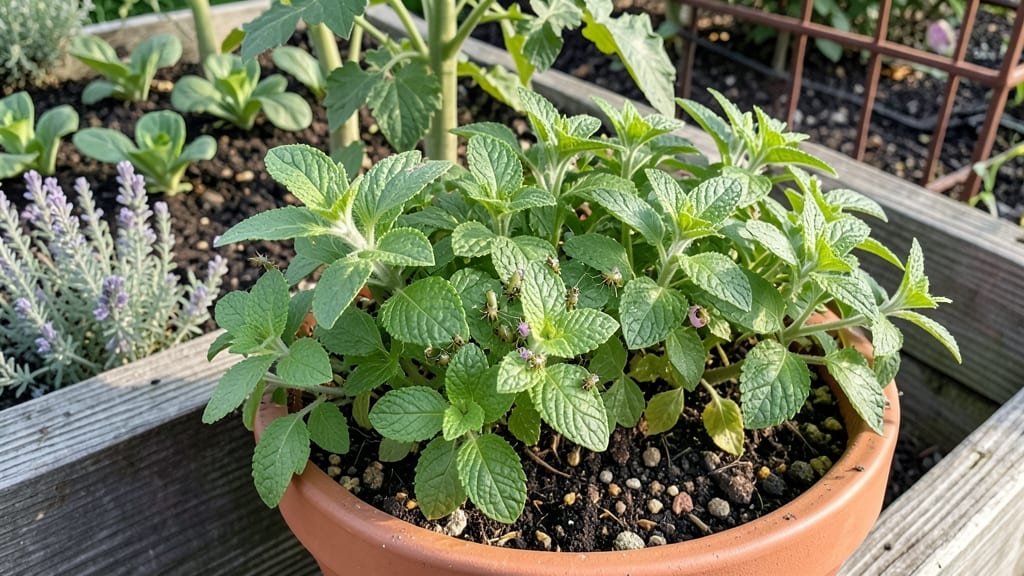
Mint plants repel pests like ants, mosquitoes, and rodents through their strong menthol scent, but their effectiveness depends on the mint variety and pest type. Peppermint and spearmint are the most potent, while other types offer minimal protection.
This natural repellent works because mint's volatile oils—like menthol and limonene—disrupt pests' sensory systems, making it harder for them to find food or nesting spots. 🌿 For example, peppermint's high menthol content is particularly effective against ants and mosquitoes, while spearmint can deter rodents when planted near entry points.
The key is strategic placement: positioning mint near doorways, garden beds, or patio areas maximizes its pest-deterring potential.
What many gardeners overlook is that not all mint varieties are equally powerful. While peppermint and spearmint are proven workhorses, other types like chocolate mint or apple mint may offer only mild benefits.
Additionally, environmental factors like sunlight exposure and soil health can influence how well the plant produces its natural repellent compounds. For best results, plant mint in well-drained soil with full sun exposure to enhance its pest-repelling properties.
💡 In This Article
- How Mint’s Natural Oils Deter Pests and Mosquitoes
- Best Mint Varieties and Planting Strategies for Pest Control
How mint’s natural oils deter pests and mosquitoes
Mint’s pest-repelling power comes from its volatile oils, particularly menthol and limonene, which disrupt insects' sensory systems. These compounds interfere with pests' ability to detect food sources or mates through their antennae.
For example, menthol in peppermint binds to odor receptors in mosquitoes, masking human scents and making it harder for them to locate hosts. Studies show peppermint oil can reduce mosquito landings by up to 50% in controlled environments.
The effectiveness varies by mint species due to oil concentration differences. Peppermint contains 40-50% menthol, while spearmint has only 1-2% menthol but compensates with higher carvone levels, which repels flies and ants. Pennyroyal, though potent, should be used cautiously as its pulegone content can be toxic to pets.
Environmental factors like sunlight also matter—mint plants grown in full sun produce 20-30% more essential oils than those in shade, enhancing their repellent strength.
Rodents are deterred by mint’s strong aroma, which masks scent trails they use to navigate. Research shows mint planted near entry points can reduce rodent activity by 30-40% when combined with physical barriers.
The oils create an unpleasant sensory experience that makes nesting areas less appealing. For best results, crush fresh leaves occasionally to release more volatile compounds into the air.
Temperature plays a role too—mint’s repellent oils evaporate faster in warm conditions (75-85°F), providing stronger immediate protection. However, this means you’ll need to replenish crushed leaves more frequently.
In cooler weather, the oils linger longer but may require additional strategies like companion planting with lavender or basil to maintain effectiveness.
What most people don’t realize is that mint’s repellent effect diminishes over time if the plant isn’t healthy. Poor soil drainage or nutrient deficiencies reduce oil production. A balanced fertilizer with phosphorus and potassium can boost mint’s natural defenses.
For maximum pest control, combine mint with physical barriers like copper tape for slugs or row covers for flying insects.
The science behind mint’s success lies in its trigeminal nerve stimulation—the same mechanism that makes it feel cooling on your skin. This sensory overload confuses pests, making them avoid treated areas. For example, ants will bypass mint borders rather than cross them, creating natural pathways in your garden. 🌿