
Planting
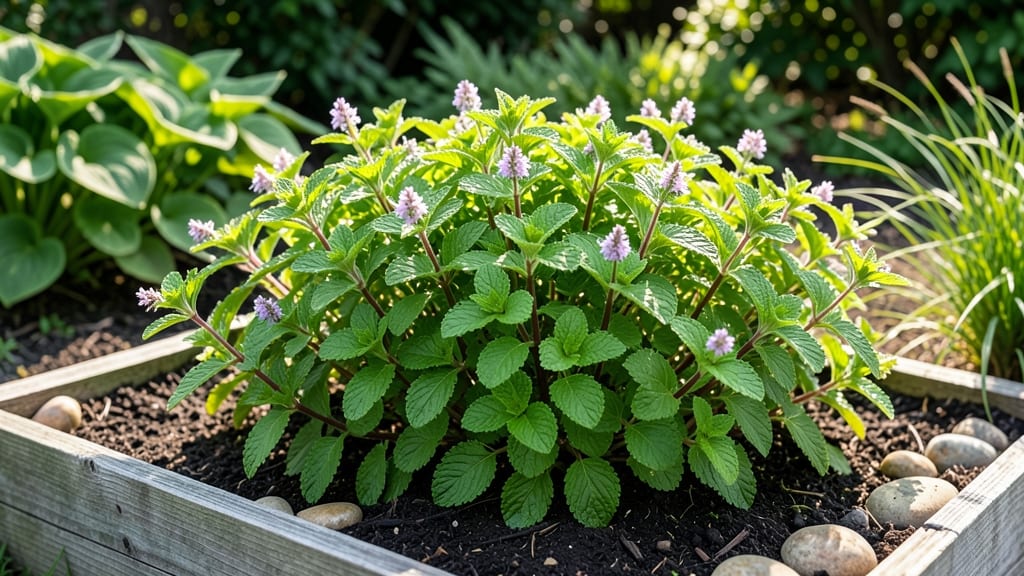
Growing a mint plant that smells like lemon is like unlocking a burst of sunshine in your garden. 🌿 The secret lies in choosing the right variety—like Mentha × piperita 'Citrata'—and giving it exactly what it craves: bright, indirect light and soil that drains well but stays slightly moist.
I’ve watched mine transform from a modest pot of green to a fragrant powerhouse that fills the air with that zesty citrus scent you’d expect from a lemon tree, not a mint plant.
The key to keeping that lemony aroma strong starts with the soil—rich, loamy, and mixed with a bit of compost. Too much sun scorches the leaves, while too little light dulls the fragrance.
Water consistently, but never let it sit in soggy soil, or the roots will rot before you can enjoy those aromatic leaves. Within just a few weeks, you’ll notice the difference: leaves that smell like a lemonade stand on a summer afternoon.
Once established, this lemon-scented mint spreads like wildfire—literally. Contain it in a pot or raised bed with thick walls, or it’ll take over your garden faster than you can say "lemonade." The good news?
Every stem you snip for tea or garnishes grows back twice as strong. The bad news? You’ll want to use it everywhere—from cocktails to desserts—because the fragrance is that irresistible.
If the scent starts fading, it’s usually a sign of underwatering or overcrowding. Prune regularly to encourage bushier growth and more of those fragrant leaves. And here’s a pro tip: harvest in the morning when the oils are at their peak. Your garden—and your senses—will thank you.
📚 In This Guide
- What you need
- Instructions
- Tips and common mistakes
- Wrapping up and next steps
What you need
- ● Lemon mint seeds or cuttings: 1 packet (or 3–5 healthy cuttings if propagating from a store-bought plant). Look for Mentha × piperita ‘Citriodora’ or ‘Lemon Mint’ varieties.
- ● Potting soil: 1–2 gallons of well-draining, peat-based or coconut coir mix (avoid heavy clay soil). Add perlite or vermiculite (1 part per 4 parts soil) for aeration.
- ● Containers: For seeds: 2–3 small pots (4–6 inches wide) with drainage holes.
- ● For cuttings: 1–2 larger pots (8–10 inches wide) or a hanging basket (if growing vertically).
- ● Watering can or spray bottle: With a fine rose nozzle for gentle moisture control.
- ● Fertilizer: Balanced liquid fertilizer (10-10-10 or 20-20-20) or organic options like fish emulsion or compost tea.
- ● Pruning shears: Sharp, clean pair for trimming (sterilize with rubbing alcohol between uses).
- ○ Grow lights (optional): LED full-spectrum bulb for indoor setups (12–14 hours/day if natural light is limited).
- ○ Rooting hormone (optional): Gel or powder to boost cutting success (e.g., Clonex).
- ○ Mulch (optional): Straw or shredded leaves to retain moisture (skip if growing in containers).
- ● Label markers: To track varieties and planting dates.
- ○ Glove (optional): Protects hands from mint’s oils (which can irritate skin).
- ○ Humidity dome (optional): For seed germination to retain moisture.
Step-by-step instructions for growing lemon-scented mint
This fragrant variety thrives with just a few simple steps—here's how to grow it lush and zesty.
🌱 Step 1: Choose the Right Variety and Starting Method
For that bright lemon scent, select lemon mint (Mentha × piperita 'Citriodora') from a reputable nursery or grow it from a 4-inch potted plant you can find at garden centers. Avoid seeds—this variety is best propagated from cuttings or established plants, as seeds rarely produce true lemon-scented offspring.
If starting from a cutting, take a 4-inch stem with at least two sets of leaves. Remove the lower leaves, leaving just the top pair, and place the stem in a glass of water. Change the water every 2-3 days until roots form—you'll see them in about 2 weeks. Real talk: this is the moment that matters, so don't rush it.
🪴 Step 2: Prepare Containers and Soil for Fast Growth
Use one 12-inch pot per plant (you're growing 4 plants total) with drainage holes—mint hates soggy roots. Fill the pot with a mix of 50% potting soil and 50% perlite for excellent drainage. I like to add a handful of compost to each pot for extra nutrients that keep the lemon scent strong.
Plant your rooted cutting or potted plant so the top of the root ball sits ½ inch below the rim. Press the soil gently around the roots to eliminate air pockets. Water immediately until moisture runs from the drainage holes—this ensures the roots make contact with the soil right away.
☀️ Step 3: Position for Optimal Light and Humidity
Lemon mint thrives in partial shade to morning sun—4-6 hours of sunlight daily is perfect. Too much afternoon sun can scorch the leaves and dull the lemon scent. Place your pots where they'll get bright, indirect light (a north or east-facing window works well).
Keep the soil consistently moist but not waterlogged—stick your finger 1 inch deep into the soil. If it feels dry, water thoroughly. I know it seems weird, but mist the leaves occasionally to maintain humidity, especially in dry indoor air. You'll notice the scent intensify when the plants are happy and hydrated.
✂️ Step 4: Prune and Harvest for Maximum Flavor
Pinch back the tips of new growth when the plant reaches 6 inches tall to encourage bushier growth. This is where it gets fun—watch the plant fill out with vibrant green leaves that smell like fresh lemon zest. Regular pruning also prevents the plant from becoming leggy and keeps the lemon scent strong.
Harvest leaves in the morning after the dew has dried but before the heat of the day sets in. Cut stems just above a leaf node to encourage new growth. Use the leaves fresh in teas, cocktails, or salads—you'll love how the lemon scent brightens everything. Don't harvest more than ⅓ of the plant at once, or it'll struggle to recover.
🌿 Step 5: Overwinter and Prevent Spread
Lemon mint is a perennial in USDA zones 5-9, but it can spread aggressively. Contain it by keeping it in pots or using a barrier root in the ground. In colder climates, bring pots indoors to a sunny window and reduce watering—keep the soil just barely moist during winter.
Here's the thing—mint loves to spread, so if you plant it in the ground, it'll take over your garden. To control it, trim back any runners that escape the pot or barrier. With proper care, your lemon-scented mint will reward you with abundant, fragrant leaves all season long.
Tips & tricks for perfect lemon-scented mint
These simple secrets will help your lemon-scented mint grow vibrant and fragrant with minimal effort.
Rooting Success: When rooting your 4-inch stem cutting, place it in a glass with just enough water to cover the bottom inch of the stem. This prevents rot while encouraging strong root growth. Change the water every 2-3 days as instructed, but don't be tempted to add rooting hormone—lemon mint roots easily without it. You'll know roots are forming when tiny white tendrils appear around the stem after about 2 weeks.
Soil Mix Matters: The 50/50 potting soil and perlite mix is perfect for drainage, but here's what I've learned: add a handful of compost to each pot for that extra nutrient boost. The compost helps maintain the lemon scent intensity without requiring extra fertilizer. Press the soil firmly around the roots when planting to eliminate air pockets—this ensures immediate contact with moisture.
Light Positioning: That 4-6 hours of sunlight recommendation is spot-on, but here's the trick: rotate your pots every few days. This prevents one side from getting too much light while the other stays leggy. A north or east-facing window works best, but if you only have south-facing windows, use a sheer curtain to diffuse the harsh afternoon sun that can scorch the leaves.
Harvesting Strategy: Harvesting in the morning after dew dries but before the heat sets in is key, but don't forget to use clean, sharp scissors or pruning shears. This prevents crushing the stems and damaging the plant. Always cut just above a leaf node—this is where new growth will emerge. I like to harvest stems with at least 3-4 leaves to encourage bushier growth.
Pro Tips for Mint Plant That Smells Like Lemon
- These simple secrets will help your lemon-scented mint grow vibrant and fragrant with minimal effort.
- Rooting Success: When rooting your 4-inch stem cutting, place it in a glass with just enough water to cover the botto...
- Soil Mix Matters: The 50/50 potting soil and perlite mix is perfect for drainage, but here's what I've learned: add a...
Frequently asked questions
Got questions about growing or caring for your fragrant lemon-scented mint? Here are some of the most common ones—and their answers!
How fast does lemon-scented mint grow?
Lemon-scented mint is a fast grower! With the right conditions (sunlight, water, and soil), it can reach 12–24 inches tall in just 4–6 weeks. It spreads aggressively via runners, so prune regularly to control its size. If you want a bushier plant, trim the tops to encourage lateral growth.
Why does my lemon-scented mint smell weaker than expected?
If your mint’s lemony aroma is fading, it might be due to overwatering, poor sunlight, or nutrient deficiency. Ensure it gets 4–6 hours of sunlight daily and well-draining soil. A light dose of citrus-flavored fertilizer (like fish emulsion) can also boost its scent. Pro tip: Harvest leaves in the morning for the strongest fragrance!
Can I grow lemon-scented mint indoors?
Just place it near a south-facing window for bright, indirect light. Use a pot with drainage holes and repot every 6–12 months to prevent root-bound stress. A humidity tray (pebbles + water) can help mimic outdoor conditions. Just watch for pests like spider mites—spray with neem oil if needed!
What’s the difference between lemon mint and regular mint?
While both are Mentha varieties, lemon-scented mint has a bright citrusy aroma and flavor, thanks to its high limonene content. Regular mint (like peppermint or spearmint) tastes cooler, menthol-heavy, and less sweet. Lemon mint is also more heat-tolerant and often used in teas, desserts, and cocktails for its zesty kick!
Is lemon-scented mint invasive? How do I stop it from spreading?
Yes! This mint is a vigorous spreader and can take over gardens if unchecked. To contain it:
- Plant in containers (even in-ground pots sunk into soil).
- Prune regularly—cut back stems by ⅓ to discourage runners.
- Divide roots every few years to reset growth.
- Avoid planting near other herbs—it’ll crowd them out!
Wrapping up and next steps
Growing a mint plant that smells like lemon is a rewarding way to bring fresh, zesty fragrance to your home or garden!
Whether you’re a seasoned gardener or just starting out, this fragrant hybrid offers easy care, versatility, and a delightful citrus twist—perfect for teas, cocktails, or simply brightening up your space. 🌿✨
Now that you’re armed with the right tips, take the plunge and plant your own lemon-scented mint. Start small with a pot on your windowsill or balcony, and soon, you’ll be harvesting lush, aromatic leaves to enjoy year-round. Happy growing! 🌱