
Planting
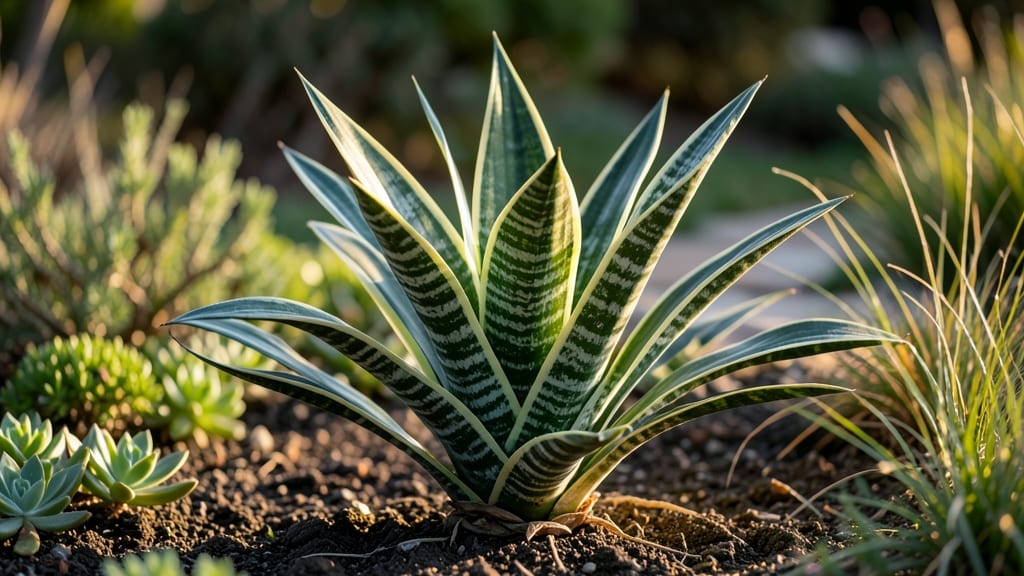
Growing mother-in-law's tongue outdoors unlocks year-round drama that outshines most garden foliage. 🌿 This near-indestructible plant thrives with minimal fuss—just the right light, well-draining soil, and occasional water.
I’ve watched mine grow from a single pot to a bold statement piece in just two seasons, proving it’s the ultimate low-maintenance star for sunny spots.
The secret lies in its adaptability: it handles full sun to partial shade, tolerates heat waves and drought, and even survives indoor neglect. For outdoor planting, choose a location with bright, indirect light (morning sun is ideal) and soil that drains quickly—this plant hates soggy roots.
Containers work perfectly, or plant directly in the ground where it’ll spread slowly but steadily, adding architectural interest to borders or as a standalone specimen.
Watering is where most people overcomplicate things—once every 2-3 weeks in summer, less in winter. The thick leaves store moisture like a natural water tank, so you’ll rarely need to touch it.
Overwatering is the only real enemy, leading to root rot that can kill even the toughest snake plant. Once established, it’s practically self-sufficient, making it perfect for busy gardeners or those with black thumbs.
Watch for pests like spider mites in dry conditions (a simple spray of water usually fixes it) and protect from frost—bring pots indoors or cover with burlap if temperatures dip below 30°F.
With the right placement and care, your mother-in-law’s tongue will reward you with bold, upright foliage that stays striking through every season, no matter what the weather throws at it.
📚 In This Guide
- What you need
- Instructions
- Tips and common mistakes
- Wrapping up and next steps
What you need
- ● Mother-in-Law Tongue Plant: 1-3 mature plants (3-6 inches tall) or 1-2 young pups (for faster growth). Choose healthy ones with firm, upright leaves.
- ● Well-draining potting mix: 1-2 bags (10-15 lbs each) of cactus/succulent mix or a blend of 50% potting soil + 50% perlite/pumice.
- ● Container or garden bed: For pots: 1-3 containers (12-18 inches deep) with drainage holes. Terracotta or fiberglass works best.
- ● For ground planting: A sunny spot with loose, rocky soil (amend with gravel if needed).
- ● Gravel or pebbles: 1-2 lbs (for drainage layer at the bottom of pots).
- ○ Slow-release fertilizer (optional): 1 packet of balanced 10-10-10 or succulent-specific fertilizer.
- ● Gardening gloves (to protect hands from sharp leaf edges).
- ● Trowel or small shovel (for digging and transplanting).
- ● Watering can with a rose attachment (for gentle watering).
- ○ Mulch (optional): 1 bag of decorative stones or bark (to retain moisture and enhance aesthetics).
- ○ Plant labels (optional): 1-2 labels to mark your Sansevieria variety.
How to plant and maintain mother-in-law tongue outdoors for striking year-round color
This drought-resistant beauty thrives with minimal fuss—here’s how to plant it for bold foliage that lasts.
🪴 Step 1: Choose the Perfect Planting Spot
Mother-in-law tongue (Sansevieria trifasciata) craves bright, indirect light but tolerates low light better than most bold-leaved plants. Place it where it gets 4-6 hours of morning sun—afternoon sun can scorch its striking variegation. A south- or east-facing spot works best, but it’ll survive in north-facing shade with slightly slower growth.
Check the soil temperature before planting—roots prefer 65-75°F. If your ground feels cooler than that in spring or fall, wait until soil warms up. The plant’s thick roots hate soggy conditions, so avoid low-lying areas where water pools after rain.
🌱 Step 2: Prepare the Soil and Plant
Amend native soil with 1 part perlite or coarse sand to every 3 parts garden soil—this improves drainage, which is critical. Mother-in-law tongue roots rot quickly in compacted or waterlogged soil. Dig a hole twice as wide as the plant’s root ball but only as deep as it was in its container.
Gently remove the plant from its pot and loosen any circling roots with your fingers. Place it in the hole so the top of the root ball sits level with the ground—burying the base too deep invites rot. Backfill with amended soil, pressing lightly to eliminate air pockets. Water deeply right after planting to settle the roots.
☀️ Step 3: Water Deeply but Infrequently
Water only when the top 2-3 inches of soil feel completely dry—this plant stores moisture in its thick leaves. Overwatering is the #1 killer, so resist the urge to water on a schedule. Stick your finger in the soil: if it’s damp below the surface, wait another day. In summer, this might mean watering every 2-3 weeks; in winter, once a month is often enough.
When you do water, soak the soil until it drains from the bottom of the pot or through the soil profile. Yellowing leaves usually mean overwatering, while crispy brown edges signal underwatering. Adjust your routine based on what you see—this plant’s resilience will reward your patience.
✂️ Step 4: Prune and Fertilize Lightly
Prune only to remove yellowed or damaged leaves at the base with clean, sharp pruners. Never trim healthy foliage—it’s the plant’s energy reserve. If growth gets leggy, you can cut back overly long leaves by ⅓ in early spring to encourage bushier regrowth. Mother-in-law tongue doesn’t need frequent fertilizing—apply a balanced 10-10-10 fertilizer just once in spring at half strength.
This plant thrives on neglect, so resist the urge to over-tinker. A light layer of 2-3 inches of mulch (like pine bark) helps retain moisture and regulate soil temperature. Just keep the mulch 2 inches away from the stem to prevent rot.
🌿 Step 5: Protect in Winter and Watch It Thrive
Mother-in-law tongue is hardy down to USDA Zone 9, but in colder climates, it needs winter protection. Move potted plants to a garage or sheltered porch where temps stay above 50°F. If planted in the ground, mulch heavily with 4-6 inches of straw or leaves to insulate roots. Even in mild winters, reduce watering to once every 4-6 weeks—the plant enters dormancy naturally.
Watch for pests like spider mites, which love dry conditions. Wipe leaves with a damp cloth monthly to remove dust and deter infestations. With proper care, your mother-in-law tongue will reward you with bold, architectural foliage for years—minimal effort, maximum drama.
Tips & tricks for perfect mother-in-law tongue planting
A few simple strategies will help your mother-in-law tongue thrive outdoors with that signature bold foliage drama.
Lighting Strategy: In Step 1, when choosing your planting spot, prioritize east-facing locations for the most vibrant variegation. Morning sun (4-6 hours) enhances the plant's striking patterns without risking scorching that can occur with afternoon sun exposure. If your only option is north-facing shade, accept that growth will be slower but still maintain its architectural appeal.
Soil Temperature Check: The 65-75°F soil temperature range in Step 1 is non-negotiable for root health. Use a soil thermometer to verify conditions before planting—especially in spring when ground temperatures fluctuate. I've learned this the hard way after seeing roots fail to establish in cooler-than-expected soil. For cooler climates, consider planting in raised beds that warm up faster.
Pruning Precision: When trimming leggy leaves in Step 4, make cuts at a 45-degree angle just above a leaf node. This encourages bushier regrowth while maintaining the plant's natural shape. Always use sterilized pruners to prevent introducing pathogens through open wounds. The ⅓ reduction guideline works perfectly for maintaining that dramatic vertical growth without sacrificing foliage mass.
Winter Protection Hack: For Zone 9 and colder climates, create a temporary "greenhouse effect" by placing clear plastic domes or even large plastic bottles (cut in half) over potted plants during freezes. This maintains the critical 50°F minimum without requiring expensive winter storage solutions. The heavy mulching (4-6 inches) for in-ground plants works wonders for insulation—just remember to keep it 2 inches away from stems to prevent moisture buildup.
Pro Tips for Mother In Law Tongue Plant Outdoors
- A few simple strategies will help your mother-in-law tongue thrive outdoors with that signature bold foliage drama.
- Lighting Strategy: In Step 1, when choosing your planting spot, prioritize east-facing locations for the most vibrant variegation.
- Soil Temperature Check: The 65-75°F soil temperature range in Step 1 is non-negotiable for root health.
Frequently asked questions
Can mother-in-law tongue survive winter outdoors?
Yes! This hardy plant thrives in USDA Zones 9–11 year-round. In colder zones (below 20°F/-7°C), move pots indoors or mulch heavily. If frost threatens, cover with frost cloth or a blanket. Pro tip: It’s drought-tolerant but may slow growth in winter—water sparingly!
How much sun does it need outdoors?
Mother-in-law tongue loves bright, indirect light but tolerates partial shade. In hot climates, protect it from harsh afternoon sun to prevent leaf scorch. A spot with 4–6 hours of sunlight daily works best. Watch for: Yellowing leaves = too much sun; limp leaves = underwatering.
How often should I water it outdoors?
Water only when the top 2–3 inches of soil are dry—usually every 2–4 weeks outdoors. Overwatering is the #1 killer! Let excess water drain completely, and avoid soggy soil. Test it: Stick your finger in the soil; if it’s damp, wait!
What’s the best soil mix for outdoor planting?
Use a well-draining mix like cactus/succulent soil or amend garden soil with perlite/sand (1:1 ratio). Avoid heavy clay, which traps moisture. For pots, ensure drainage holes are present. Bonus: Add a handful of orchid bark for extra aeration!
Why are my leaves turning yellow or brown?
Yellow leaves often mean overwatering or poor drainage. Brown tips? Too much sun or fluoride in tap water (use distilled or rainwater). Fix it: Adjust watering, trim damaged leaves, and check light exposure. Patience! It’s resilient and may bounce back.
Are there non-toxic alternatives for pets/kids?
If safety is a concern, try haworthia (zebra plant) or calathea—both pet-friendly and low-maintenance. However, mother-in-law tongue is non-toxic to humans (mildly irritating to pets if ingested). Solution: Keep it out of reach or opt for a safer succulent like echeveria.
Wrapping up and next steps
Growing a Mother-in-Law Tongue outdoors is a rewarding way to add dramatic, year-round color to your garden with minimal fuss! 🌿 Its striking foliage thrives in diverse climates, making it a versatile and low-maintenance choice for both beginners and seasoned gardeners.
Whether you’re drawn to its bold hues or its resilience, this plant promises to elevate your outdoor space effortlessly.
Ready to take the next step? Start by selecting the perfect spot—whether it’s a sunny border, a container on your patio, or a shady corner—and watch your garden transform into a vibrant showstopper! 🌟