
Planting
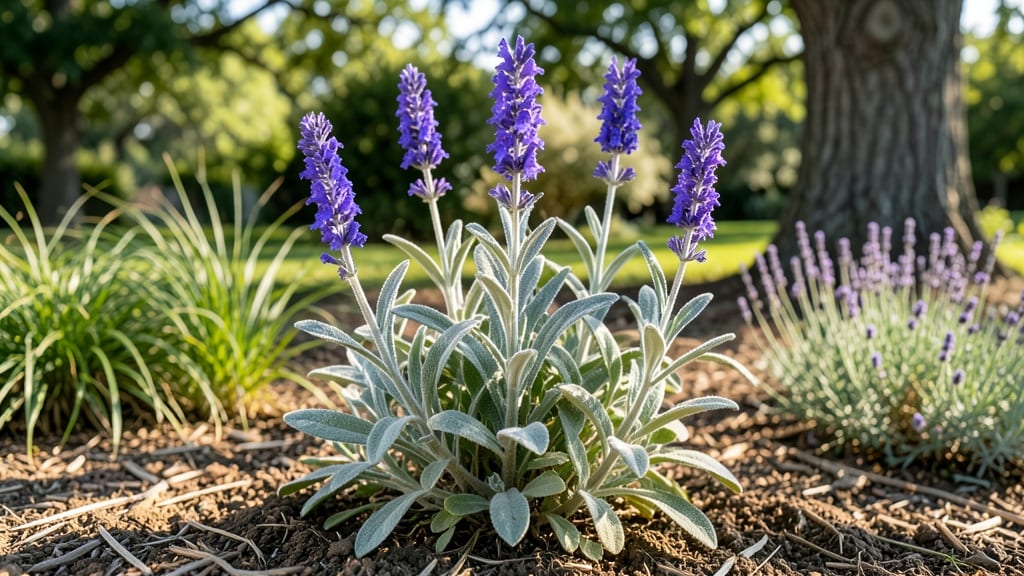
Growing the mountain sage plant means drought-proof beauty that hums with pollinators all summer. 🌿 This hardy perennial thrives where others fail—dry soil, full sun, and even rocky slopes—making it the perfect low-maintenance star for pollinator gardens. The secret to its success? Well-draining soil and minimal watering once established.
Most gardeners overwater, but mountain sage despises soggy roots. Plant in full sun (6+ hours daily) and watch it reward you with vibrant purple-blue spikes that bloom from late spring through summer. You'll attract bees, butterflies, and hummingbirds like a magnet while keeping maintenance simple.
Prune back in early spring to encourage fresh growth, and divide clumps every 3-4 years to keep plants vigorous. Perfect for zones 4-9, this plant handles heat, drought, and even poor soil—ideal for xeriscaping or pollinator-friendly borders. Here's how to make it thrive in your garden!
📚 In This Guide
- What you need
- Instructions
- Tips and common mistakes
- Wrapping up and next steps
What you need
- ● Mountain Sage Seeds or Nursery Plants: Seeds: 10–20 seeds (start indoors 8–12 weeks before last frost)
- ● OR 2–3 nursery-grown plants (hardy in USDA Zones 5–9)
- ● Well-Draining Soil: 1–2 cubic yards (mix equal parts native soil, coarse sand, and compost for optimal drainage)
- ● Sunlight: Full sun (6+ hours daily) – no artificial light needed!
- ● Watering Can or Hose: With a gentle spray nozzle (avoid overwatering)
- ● Garden Gloves (to protect hands from prickly stems)
- ● Trowel or Hand Shovel (for transplanting seedlings)
- ○ Mulch (Optional): 2–3 inches of gravel or pebbles (retains moisture and deters weeds)
- ● Pruning Shears (for shaping or harvesting)
- ○ Pollinator-Friendly Additions (Optional): Native wildflower seeds (to attract bees and butterflies)
- ● Rock garden decor (for a natural, arid look)
Step-by-Step guide to planting and cultivating mountain sage
Here’s how to establish a thriving mountain sage—drought-resistant, pollinator-magnet, and built to last.
🌱 Step 1: Select the Perfect Site and Prepare the Soil
Mountain sage (Salvia arizonica) thrives in full sun—at least 6-8 hours daily—and well-draining soil. Choose a location with south or west exposure to maximize heat retention. If your soil is heavy clay, amend it with 3-4 inches of coarse sand or gravel mixed into the top 12 inches to prevent root rot. This plant hates soggy feet.
Test your soil’s drainage by digging a 6-inch hole, filling it with water, and timing how long it takes to drain. If it holds water longer than 30 minutes, add more sand or create a raised bed. I’ve found that mountain sage performs best in slightly alkaline soil (pH 6.5-7.5), so a sprinkle of crushed limestone in heavy clay areas helps.
🪴 Step 2: Plant at the Right Depth and Spacing
Dig a hole twice as wide as the root ball but only as deep—mountain sage roots sit just below soil level. Gently loosen the roots if they’re circling in the container, then place the plant so the top of the root ball sits flush with the surrounding soil. This prevents stem rot from settling soil too high.
Space plants 2-3 feet apart for optimal air circulation and growth. I always plant in early spring or fall to avoid transplant shock during extreme heat. Water deeply right after planting to settle the soil around roots, then let it dry out before watering again. Overwatering now will smother the roots.
☀️ Step 3: Water Sparingly and Encourage Deep Root Growth
Mountain sage is drought-tolerant once established, but young plants need consistent moisture for the first 6-8 weeks. Water deeply every 7-10 days until the soil feels dry 2-3 inches down. Use a soaker hose or drip irrigation to deliver water at the base—avoid overhead watering, which can promote fungal diseases.
After the first year, reduce watering to once every 2-3 weeks unless your area experiences extended drought. You’ll see deep green foliage and sturdy stems as a sign the roots are establishing. Mulch with 1-2 inches of gravel or coarse bark to retain moisture and suppress weeds without suffocating the plant.
✂️ Step 4: Prune for Shape and Stimulate New Growth
Prune mountain sage after flowering in late summer or early fall to maintain shape and encourage bushier growth. Use clean, sharp pruners to cut back one-third of the plant’s height, focusing on leggy stems and spent blooms. This prevents the plant from becoming woody and encourages fresh foliage for next season.
Deadhead faded flowers regularly during the growing season to redirect energy into new growth rather than seed production. I’ve noticed that plants pruned this way often produce second flushes of blooms in late summer, extending their pollinator appeal. Avoid heavy pruning in winter—mountain sage is semi-evergreen and benefits from its natural structure.
🌿 Step 5: Protect and Maintain for Long-Term Success
Mountain sage is deer-resistant and drought-hardy, but it still needs protection from freezing temperatures below 10°F. In colder climates, mulch heavily with 3-4 inches of straw or leaves around the base to insulate roots. Remove mulch in early spring to prevent moisture buildup.
Fertilize lightly in early spring with a balanced, slow-release fertilizer (10-10-10)—mountain sage doesn’t need much. Over-fertilizing leads to soft, floppy growth that’s prone to disease. Watch for aphids or spider mites, which can appear on stressed plants. A strong spray of water usually dislodges them, but neem oil works for stubborn infestations.
Tips & tricks for perfect mountain sage cultivation
These proven strategies will help your mountain sage thrive with minimal effort—and maximum pollinator appeal.
Soil Test Tip: Beyond the 6-8 hours of sunlight, soil preparation makes all the difference. I've found that adding 1 part perlite to 3 parts native soil creates ideal drainage when mixing your own amendment blend. For heavy clay, consider building a raised bed with 50% sand—this prevents the dreaded "soggy feet" that kill mountain sage roots. Test your amended soil again after mixing: it should drain completely within 15-20 minutes (not the original 30-minute threshold).
Planting Precision: The "twice as wide" hole rule in Step 2 is non-negotiable, but here's what nobody tells you—use a garden spade to create vertical "slices" around the root ball before removing it from the pot. This breaks up root circling without damaging delicate roots. When backfilling, press gently around the edges to eliminate air pockets, then water immediately. The key visual cue: soil should settle 1/4 inch around the base after watering.
Watering Strategy: Those 7-10 day intervals for young plants might seem long, but consistency matters more than frequency. I recommend setting a glass jar next to your plant—when the soil at 2-3 inch depth feels as dry as the inside of the jar, it's time to water. For established plants, the "2-3 weeks" guideline works beautifully in USDA Zone 7b, but in hotter climates (like Zone 9), you might need to water every 10-14 days during peak summer. Always water in the early morning to prevent fungal issues.
Pruning Insight: When cutting back that one-third of the plant's height in Step 4, focus on creating a natural tiered shape rather than shearing evenly. The goal is to expose older stems at the base while maintaining the plant's architectural form. For second flushes of blooms, I've had success with a light pruning in mid-July—just remove the top 1/4 inch of spent flowers, which signals the plant to produce new growth without shocking the system.
Pro Tips for Mountain Sage Plant
- These proven strategies will help your mountain sage thrive with minimal effort—and maximum pollinator appeal.
- Soil Test Tip: Beyond the 6-8 hours of sunlight, soil preparation makes all the difference.
- Planting Precision: The "twice as wide" hole rule in Step 2 is non-negotiable, but here's what nobody tells you—use a garden spade to create vertical "slices" around the root ball before removing it from the pot.
Frequently asked questions
Got questions about growing mountain sage? You’re not alone!
Here are answers to the most common queries about this drought-tolerant, pollinator-loving perennial.
How fast does mountain sage grow, and when will it bloom?
Mountain sage (Salvia arizonica) grows at a moderate pace—expect 12–18 inches in its first year, with full maturity (2–3 feet tall) in 2–3 years. Blooms typically appear in late spring to early summer, with sporadic fall flowers if deadheaded. Patience pays off—its aromatic foliage is a bonus even before flowers peek!
Why is my mountain sage turning yellow or dropping leaves?
Yellowing leaves often signal overwatering (this plant hates soggy roots!) or nutrient deficiency. Check drainage—sandy, well-draining soil is key. Brown edges? Underwatering or winter stress (mulch helps!). Trim affected leaves to encourage new growth, and adjust watering to deep but infrequent soaks (every 2–3 weeks in dry climates).
Is mountain sage deer-resistant? What about rabbits?
While not fully deer-proof, mountain sage’s strong scent and fuzzy leaves deter many browsers. Deer may nibble in desperation (like during droughts). Rabbits? Less likely—they prefer tender new growth, and this plant’s woody stems are unappetizing. For extra protection, pair it with deer-resistant companions like lavender or Russian sage.
Can I grow mountain sage in containers? What’s the best pot size?
Mountain sage thrives in containers with fast-draining mix (add perlite or pumice). Aim for a pot at least 12–18 inches wide/deep—smaller pots restrict roots and accelerate drought stress. Use terracotta or fabric pots for better airflow, and fertilize lightly in spring (half-strength balanced formula). Drought-tolerant but not drought-proof—water when the top 1–2 inches of soil dry out.
What’s a good alternative if mountain sage doesn’t thrive in my climate?
If your area has freezing winters (below 10°F) or heavy clay soil, try these lookalikes:
- White sage (Salvia apiana) – Hardier, silvery foliage, but slower-growing.
- Purple giant hyssop (Agastache scrophulariifolia) – Drought-tolerant, pollinator magnet, and more cold-resistant.
- Lamb’s ear (Stachys byzantina) – Silver foliage, thrives in poor soil, but not a sage substitute.
Wrapping up and next steps
The mountain sage plant is a resilient, drought-tolerant superstar for any garden—whether you're a seasoned gardener or just starting out. 🌿 Its hardy nature, pollinator-friendly blooms, and minimal care requirements make it a perfect choice for sustainable landscaping. Ready to transform your outdoor space?
Take the next step: visit your local nursery, grab a few mountain sage plants, and start planting! With the right conditions, you’ll have a thriving, low-maintenance garden in no time.