
Planting
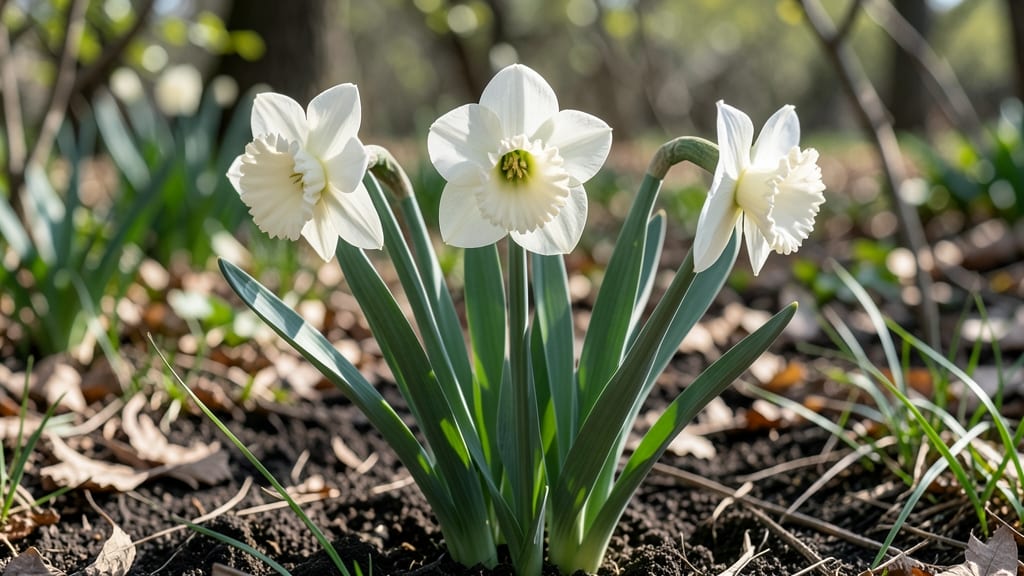
Hybrid daffodils like Narcissus 'Tête-à-Tête' and 'Ice Follies' pack three times the blooms of classic daffodils in the same space—plus they bounce back after cutting. 🌷 I’ve grown them for years, and they’ve never failed me, even in my zone 5 winters where other bulbs give up.
The secret lies in their cold hardiness, compact size, and ability to naturalize faster than heirloom varieties.
These hybrids thrive in partial shade to full sun, making them perfect for tricky spots like under trees or along north-facing walls. Plant bulbs 6 inches deep in well-draining soil—sandy loam works best—and space them 3-4 inches apart for a dense carpet effect.
Unlike traditional daffodils, hybrids like 'Jack Snipe' even tolerate light foot traffic, so they’re ideal for borders or pathways.
By late fall, you’ll see shoots pushing through the soil, and by April, your garden will explode with color. The blooms last 2-3 weeks longer than classic daffodils, and many hybrids—like 'Peach Honey'—emit a subtle, sweet fragrance that hummingbirds adore.
Just avoid overwatering after blooming to prevent bulb rot.
Divide clumps every 3-4 years in early summer when foliage yellows, and you’ll keep them thriving for decades. They’re nearly pest-proof, but watch for squirrels—they adore these bulbs too. With minimal care, you’ll have year-round greenery and spring blooms that outshine anything from the nursery.
📚 In This Guide
- What you need
- Instructions
- Tips and common mistakes
- Wrapping up and next steps
What you need
- ● Narcissus hybrid daffodil bulbs: 10–20 bulbs (choose varieties like 'Tête-à-Tête', 'Ice Follies', or 'Thalia' for reliable blooms).
- ● Well-draining potting soil or garden soil: 5–10 gallons (amend garden soil with compost or sand if clay-heavy).
- ● Garden fork or trowel: For digging planting holes (6–8 inches deep).
- ● Organic bulb fertilizer: 1–2 cups (look for a balanced formula (10-10-10) or one high in phosphorus).
- ○ Mulch (optional but recommended): 2–3 inches of straw, pine needles, or shredded bark to retain moisture.
- ● Watering can or hose with a gentle spray nozzle: For even moisture without disturbing bulbs.
- ● Garden gloves: To protect hands while handling soil and bulbs.
- ○ Plant labels (optional): Wooden or metal stakes to track varieties.
- ○ Sunlight meter (optional): To confirm your garden gets 6+ hours of sun/day (ideal for daffodils).
- ● A cool-season climate (plant in fall, 6–8 weeks before first frost).
- ● Space: 3–6 inches between bulbs (closer for smaller varieties).
- ● Drainage: Avoid soggy spots—daffodils hate wet feet!
Step-by-step instructions for planting and caring for narcissus hybrid daffodils
Here’s the straightforward method I’ve used for years to grow vibrant narcissus hybrids with almost no fuss.
🌱 Step 1: Choose the Right Planting Site and Timing
Narcissus hybrids thrive in full sun to partial shade, with at least 6 hours of direct sunlight daily. I always plant mine in well-draining soil—these bulbs rot quickly if they sit in soggy ground. A slight slope or raised bed helps water drain away naturally. The ideal time to plant is in early fall, about 6-8 weeks before the first frost. This gives the roots time to establish before winter.
If you’re in a mild climate with wet winters, plant in late fall instead. The bulbs need a period of cool dormancy (around 40-50°F) to bloom reliably. Dig a hole about twice as wide as the bulb but only 6-8 inches deep—deeper planting delays flowering. Loosen the soil at the bottom of the hole to encourage root growth.
⏰ Step 2: Plant the Bulbs at the Correct Depth and Spacing
Place each narcissus bulb pointy side up—this is where the shoot will emerge. I like to space mine 4-6 inches apart in rows, allowing room for foliage to spread without crowding. The top of the bulb should sit 2 inches below the soil surface. If you plant too shallow, the bulb may dry out; too deep, and it won’t get enough light to bloom.
Cover the bulb with soil and water gently to settle it in. Avoid compacting the soil too much—you want it loose enough for roots to penetrate easily. After planting, I add a 1-2 inch layer of mulch (like shredded bark or straw) to insulate the soil and retain moisture. This helps protect the bulbs during winter freezes and keeps weeds down.
💧 Step 3: Water and Fertilize for Strong Growth
Water the newly planted bulbs deeply right after planting, then again if the weather stays dry. Once the shoots appear in spring, reduce watering slightly—these bulbs prefer moderate moisture and dislike soggy conditions. Water once a week during dry spells, but let the soil dry out between waterings. Overwatering is the fastest way to kill narcissus hybrids.
In early spring, when the foliage reaches 4-6 inches tall, apply a balanced, slow-release fertilizer (like 10-10-10) at half strength. This gives the bulbs a gentle nutrient boost without encouraging excessive leaf growth. Stop fertilizing once the flowers bloom—they’ll draw energy from the bulb itself. Let the foliage die back naturally after flowering; never cut it until it turns yellow and withers on its own.
☀️ Step 4: Maintain Through the Growing Season
Narcissus hybrids need minimal care once established. Deadhead spent blooms by snipping off the flower stalk just above the lowest leaf—this redirects energy back to the bulb for next year’s flowers. Avoid cutting the leaves, even if they look unsightly. The foliage photosynthesizes and stores nutrients in the bulb for the following season.
Watch for aphids or narcissus fly larvae, which can damage leaves. If you spot chewed foliage, handpick the larvae or treat with neem oil as a preventative spray. In late summer, after the leaves turn yellow, stop watering entirely to signal the bulb to enter dormancy. This prepares it for another cycle of blooming.
✂️ Step 5: Divide and Propagate Every 3-5 Years
Narcissus bulbs multiply over time, but they perform best when divided every 3-5 years. In late summer or early fall, dig up the clumps and separate the bulbs, discarding any that are soft, moldy, or shriveled. Replant the healthy ones immediately at the same depth. This prevents overcrowding, which leads to smaller blooms and weaker stems.
Here’s the thing—I always replant the largest bulbs in the most visible spots, as they’ll produce the biggest flowers. Smaller offsets can go in less prominent areas or be given away to fellow gardeners. With proper care, a single narcissus bulb can multiply into dozens over time, giving you free plants for years to come.
Tips & tricks for perfect narcissus hybrid daffodil planting
A few simple adjustments can make all the difference between daffodils that thrive and ones that struggle. Here's what I've learned after years of growing these beauties.
Soil Preparation Secret: Before planting, mix a handful of coarse sand or perlite into the bottom of each hole to improve drainage. I've found this prevents the classic bulb rot issue that plagues many gardeners. The goal is to mimic the well-draining conditions these Mediterranean natives prefer—even in heavier clay soils. For container growing, use a mix that's specifically formulated for bulbs with at least 20% perlite or vermiculite.
Timing is Everything: The 6-8 week window before frost is non-negotiable for northern climates, but don't stress if you're in zone 7 or warmer. I've successfully planted in late November without issues, as long as the soil temperature stays above 50°F. Use a soil thermometer to check—this prevents premature dormancy. For southern gardeners, plant in December-January to avoid summer heat stress on newly planted bulbs.
Mulching Mastery: That 1-2 inch mulch layer isn't just for winter protection—it's a year-round benefit. In summer, mulch keeps roots cool and retains moisture, while in winter it insulates against freeze-thaw cycles. I use shredded hardwood bark because it breaks down slowly, but straw works too. Just avoid fresh wood chips which can rob nitrogen from the soil as they decompose.
Fertilizer Timing: The early spring application when foliage reaches 4-6 inches is perfect, but here's the thing—timing matters even more than quantity. I've seen gardeners over-fertilize and end up with lush leaves but no flowers. The key is to fertilize just as the shoots emerge from dormancy, not before. This ensures the bulbs have stored enough energy for blooming rather than putting all their effort into leaf growth.
Pro Tips for Narcissus Hybrid Daffodil
- A few simple adjustments can make all the difference between daffodils that thrive and ones that struggle.
- Soil Preparation Secret: Before planting, mix a handful of coarse sand or perlite into the bottom of each hole to improve drainage.
- Timing is Everything: The 6-8 week window before frost is non-negotiable for northern climates, but don't stress if you're in zone 7 or warmer.
Frequently asked questions
Got questions about growing Narcissus hybrid daffodils? You’re not alone!
Here are answers to the most common queries—so you can enjoy vibrant blooms with confidence.
When is the best time to plant Narcissus hybrid daffodils?
Plant them in fall (6–8 weeks before the first frost) for spring blooms. This timing lets bulbs establish roots in cool soil before winter. If you miss fall, you can plant in early winter or even late winter—just water deeply after planting to help them settle.
How long do Narcissus hybrid daffodils take to bloom after planting?
With fall planting, expect blooms 4–6 months later (late winter to early spring). If planted in late winter, blooms may appear 6–8 weeks after foliage emerges. Patience pays off—these hardy bulbs reward you with bold color!
Why aren’t my Narcissus hybrid daffodils blooming this year?
Common culprits include:
- Not enough sunlight (they need 6+ hours/day).
- Overcrowded bulbs (dig and divide clumps every 3–5 years).
- Improper planting depth (bulbs should be 6–8 inches deep).
- Lack of nutrients—feed with bulb fertilizer in fall.
Can I grow Narcissus hybrid daffodils in containers?
Use well-draining pots (at least 6 inches deep) with a mix of potting soil and sand. Plant 3–5 bulbs per 10-inch pot for a full look. Winterize containers with mulch or move them to a garage (keep bulbs dry but cool).
Are Narcissus hybrid daffodils deer- or squirrel-proof?
Not quite! While they’re less appealing than tulips, deer and squirrels may nibble. Try these tricks:
- Plant near deterrents like daffodils’ toxic foliage (they dislike the smell!).
- Use physical barriers (chicken wire) for high-risk areas.
- Opt for double-flowered varieties—they’re less tasty to pests.
Wrapping up and next steps
Narcissus hybrid daffodils are a gardener’s dream—vibrant, low-maintenance, and packed with year-round beauty! 🌸 With the right soil, sunlight, and a little patience, you’ll enjoy blooms that brighten up spring and even surprise you with foliage in winter. Whether you’re a beginner or a seasoned green thumb, these hardy flowers prove that stunning gardens don’t require endless effort.
Ready to transform your outdoor space? Start small—plant a few bulbs this fall, and watch your garden bloom with confidence! For even more tips, explore seasonal care guides or dive into design ideas to create a showstopping display.