
Planting
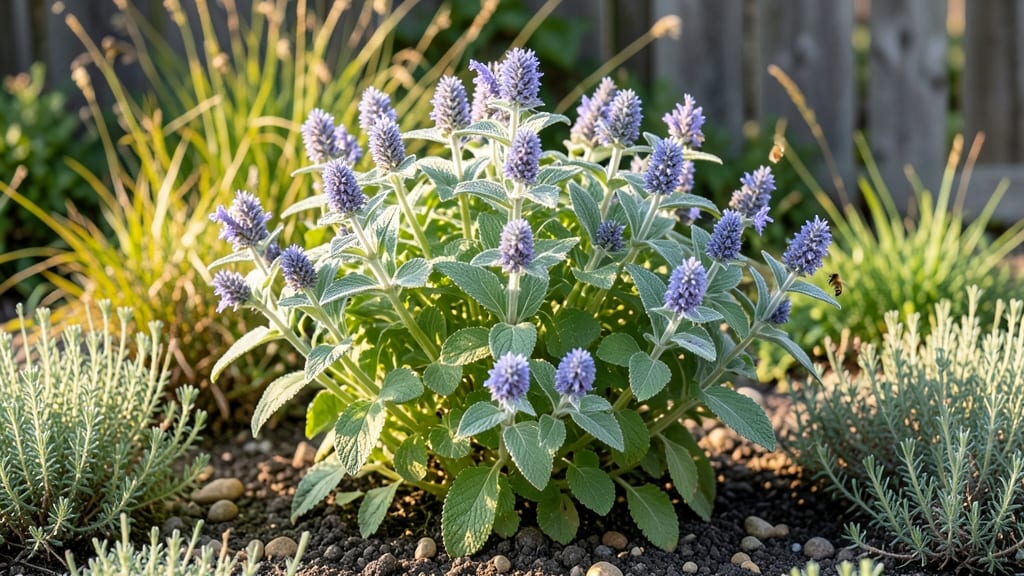
Transform your yard into a feline paradise with the nepeta catnip plant—a hardy perennial that thrives with minimal fuss, offering silvery foliage and lavender-blue blooms that double as catnip for your pets.
The key lies in replicating its natural Mediterranean habitat—well-draining soil, full sun, and occasional pruning to encourage bushy growth. Plant in spring or fall when soil temperatures are mild (60-70°F), spacing plants 18-24 inches apart for airflow.
Amend heavy clay with compost to prevent root rot, and avoid overwatering—catnip tolerates drought once established. The first flush of blooms arrives in early summer, with sporadic flowers through fall. Prune back by one-third after flowering to maintain shape and encourage a second bloom cycle.
Deadhead spent blooms to redirect energy into foliage production. Your cats will thank you with hours of happy rolling when they discover the fragrant leaves. This plant serves dual purposes: ornamental beauty for your garden and endless entertainment for your feline friends.
Perfect for sunny borders, cottage gardens, or container plantings on patios. Let's get those roots in the ground!
📚 In This Guide
- What you need
- Instructions
- Tips and common mistakes
- Wrapping up and next steps
What you need
- ● Nepeta catnip seeds – 1 packet (500–1,000 seeds, non-GMO preferred).
- ● Seed-starting mix – 1 small bag (sterile, well-draining, 10–12 inches deep).
- ● Growing containers – 4–6 small pots (4–6 inches wide) or a seed tray with cells.
- ● Well-draining soil – 1 bag (mix of potting soil + perlite/sand for aeration).
- ● Watering can or spray bottle – With a fine mist nozzle for gentle hydration.
- ● Grow lights or sunny windowsill – 6+ hours of indirect light daily (or LED grow lights for 12–16 hours).
- ● Garden gloves – To protect hands from prickly stems.
- ● Plant labels – Markers + tags to track growth stages.
- ○ Fertilizer (balanced, 10-10-10) – 1 small bottle (optional, for established plants).
- ● Pruning shears – For shaping and harvesting.
- ● Cat-safe enclosure – A mesh cage or temporary barrier if testing with pets!
Step-by-step guide to growing nepeta catnip for your feline friends
Here's how to cultivate this fragrant perennial that'll have your cats rolling in no time.
🌱 Step 1: Select and Prepare the Planting Site
Nepeta catnip thrives in full sun with at least 6-8 hours of direct light daily. Choose a location with well-draining soil—this plant despises soggy roots. If your garden soil is heavy clay, amend it with 2-3 inches of compost mixed into the top 12 inches before planting. I like to test drainage by digging a 6-inch deep hole, filling it with water, and checking if it drains within an hour—if not, add more sand or grit.
This hardy perennial tolerates USDA zones 3-8, making it adaptable to most climates. In hotter regions, provide afternoon shade to prevent leaf scorch. The ideal soil pH ranges between 6.0-7.0, so a simple soil test kit ensures optimal growing conditions. Once you've selected your spot, loosen the soil to a depth of 12 inches with a garden fork to encourage root growth.
🪴 Step 2: Plant Catnip Correctly for Maximum Spread
Nepeta catnip spreads aggressively, so space plants 18-24 inches apart to allow for full growth. Dig holes twice as wide as the root ball but only as deep as the container it came in. Gently remove the plant from its container, tease the roots if they're circling, and place it in the hole so the top of the root ball sits level with the surrounding soil. This prevents stem rot from settling too deep.
Backfill with native soil, pressing lightly to eliminate air pockets. Water deeply immediately after planting to help roots establish contact with the soil. I like to add a 1-inch layer of mulch around the base, keeping it 2 inches away from the stem to prevent moisture buildup. Use organic mulch like shredded bark or straw—it breaks down slowly and adds nutrients as it decomposes.
☀️ Step 3: Establish a Watering Routine Without Overdoing It
Once established, nepeta catnip is drought-tolerant, but young plants need consistent moisture. Water 1-2 inches per week, checking the soil 1 inch below the surface—if it's dry, it's time to water. Overwatering causes root rot, so always let the top 2 inches of soil dry out between waterings. I use a soaker hose for deep, even watering that keeps leaves dry and prevents fungal diseases.
Fertilize lightly in spring with a balanced 10-10-10 formula at half strength. Too much nitrogen produces lush foliage but reduces the plant's catnip potency. Watch for purple-tinged leaves—this indicates phosphorus deficiency, so adjust your fertilizer accordingly. Nepeta catnip blooms on new growth, so avoid heavy pruning until after flowering unless you're shaping the plant.
✂️ Step 4: Prune and Maintain for Continuous Growth
After the first flush of flowers fades, cut back one-third of the plant's height to encourage bushier growth and prevent seed production. This keeps the plant compact and stimulates a second flowering in late summer. Deadhead spent blooms regularly to redirect energy into foliage production—the more leaves, the more catnip oil your cats will love.
Divide established clumps every 3-4 years in early spring to control spread. Dig up the plant, separate the root sections with a clean knife, and replant the healthiest divisions. This rejuvenates the plant and gives you free catnip for other garden spots. In colder zones, apply 2-3 inches of mulch in fall to protect roots from freeze-thaw cycles.
🐱 Step 5: Harvest and Preserve the Catnip
Harvest leaves anytime after the plant establishes, but peak potency occurs just before flowering. Snip stems 2-3 inches above the ground with clean shears, leaving some foliage for regrowth. Hang bundles upside down in a dry, dark place for 1-2 weeks until leaves crisp. Store dried leaves in an airtight container away from direct sunlight—they retain potency for up to a year.
For fresh catnip, simply pinch off leaves as needed. The plant self-seeds readily, so you'll likely find volunteers popping up around your garden. If you notice yellowing leaves, it's often a sign of powdery mildew—improve air circulation by spacing plants further apart and avoid overhead watering. With proper care, your nepeta catnip will provide endless entertainment for your feline friends for years to come.
Tips & tricks for growing nepeta catnip successfully
Here's what I've learned after helping countless gardeners grow thriving catnip patches that keep their feline friends purring.
Light and Location: While the instructions emphasize 6-8 hours of sunlight, I've found that morning sun with afternoon shade in hot climates actually preserves that signature catnip aroma better. The intense afternoon rays can cause the leaves to lose their potency faster, so if you're in a Zone 8 or higher, consider a partially shaded spot. This subtle adjustment can make a noticeable difference in how your cats respond to the fresh leaves.
Soil Preparation: The 12-inch soil loosening recommendation is spot-on, but I've discovered an extra trick for clay-heavy soils. After amending with compost, I mix in a handful of perlite or coarse sand into each planting hole. This creates tiny air pockets that improve drainage right at the root zone, which is where catnip roots establish most aggressively. The plant's delicate root system will thank you with faster establishment and more vigorous growth.
Watering Wisdom: The 1-2 inches per week guideline works perfectly, but timing matters just as much. I've noticed that watering in the early morning gives the soil time to dry out properly before evening, which significantly reduces the risk of fungal issues. For container-grown catnip, I use a moisture meter to check that top 2 inches of soil—this helps prevent both underwatering and the dreaded root rot that can kill a healthy plant overnight.
Harvesting Strategy: While you can harvest anytime after establishment, I've developed a system for maximizing yield without stressing the plant. I harvest every 3-4 weeks in a staggered pattern—take stems from one section of the plant, then move to another section the next time. This mimics natural regrowth patterns and keeps the plant producing fresh catnip oil continuously. The key is always to leave at least 2-3 inches of growth to maintain the plant's vigor.
Pro Tips for Nepeta Catnip Plant
- Here's what I've learned after helping countless gardeners grow thriving catnip patches that keep their feline friends purring.
- Light and Location: While the instructions emphasize 6-8 hours of sunlight, I've found that morning sun with afternoon shade in hot climates actually preserves that signature catnip aroma better.
- Soil Preparation: The 12-inch soil loosening recommendation is spot-on, but I've discovered an extra trick for clay-heavy soils.
Frequently asked questions
Got questions about growing and using nepeta catnip? You’re not alone! Here are some of the most common queries—and their answers—to help you get the most out of this feline favorite.
How long does it take for nepeta catnip to grow enough for my cat?
With proper care, nepeta catnip typically reaches full potency in 60–90 days after planting. Young leaves (harvested 4–6 weeks in) will still attract cats, but the strongest effects come from mature foliage. For best results, wait until the plant is at least 6–12 inches tall before harvesting.
Can I use dried catnip from nepeta instead of commercial catnip?
Dried nepeta catnip is 100% safe and effective for cats. Simply air-dry the leaves (hang in small bundles or spread on a screen), then crumble them into your cat’s favorite toys or treats. Store in an airtight container to preserve potency. Pro tip: Some cats prefer fresh over dried—test both to see what your kitty loves!
How often should I harvest nepeta catnip for continuous growth?
Harvest every 4–6 weeks to encourage bushier, more prolific growth. Pinch back flower buds early to redirect energy into leaf production. Avoid over-harvesting—never take more than 1/3 of the plant at once, or it may struggle to recover. Bonus: Harvest on a dry morning after dew has evaporated for the best flavor and potency.
What do I do if my cat ignores the nepeta catnip?
Not all cats go wild for catnip—about 30% are genetically insensitive to its effects. Try these tricks:
- Offer it in different forms (sprinkled on toys, rubbed on scratching posts, or mixed into treats).
- Use fresh leaves (some cats prefer the scent over dried).
- Introduce it slowly—let your cat sniff it first before rolling in it.
- Try alternatives like silver vine (another cat-safe plant).
Can I grow nepeta catnip indoors?
Yes! Nepeta catnip thrives indoors with bright, indirect light (a south-facing window or grow light works best). Use a well-draining pot with holes, and water when the top inch of soil is dry. Keep temps between 60–75°F and fertilize lightly every 4–6 weeks. Warning: Cats may destroy the plant—place it out of reach or use a cat-proof cage for growing.
Wrapping up and next steps
Growing your own nepeta catnip plant is a rewarding way to keep your feline friends happy while enjoying a low-maintenance, fragrant addition to your garden! 🌱 Whether you're a seasoned gardener or a curious beginner, this aromatic herb offers endless entertainment for cats and a touch of greenery for you.
Now that you’re armed with the right materials and answers to common questions, it’s time to roll up your sleeves and get planting.
Ready to watch your cat go wild with joy? Start with a small pot or patch of soil—your kitty’s purrs will be your best reward! 🐾