
Planting
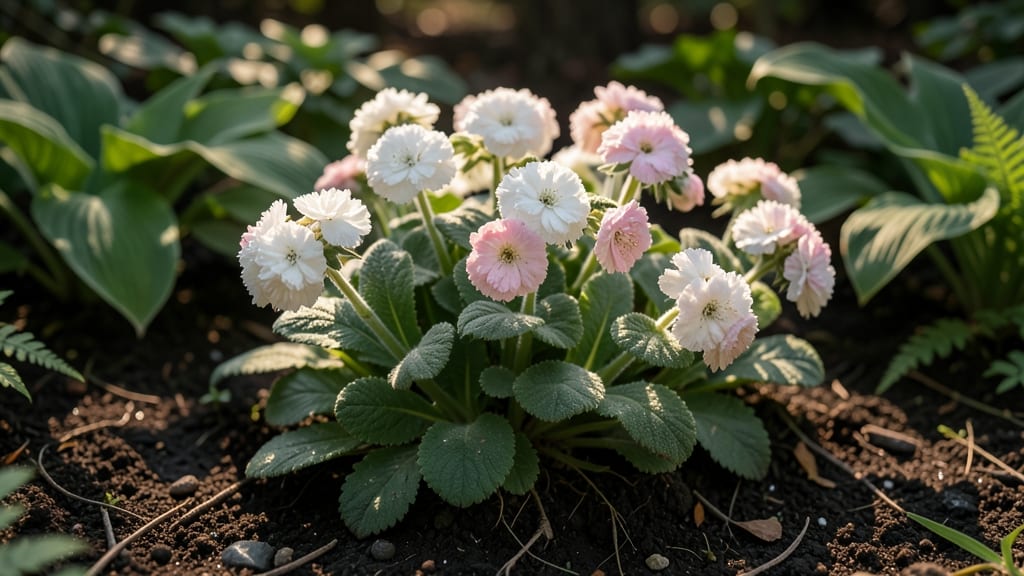
North Texas gardens face unique challenges with hot summers and heavy shade. These 10 shade-loving perennials thrive in humidity while delivering vibrant blooms, lush foliage, and minimal maintenance—perfect for transforming dark corners into lush retreats.
Japanese Painted Fern Thrives in Deep Shade
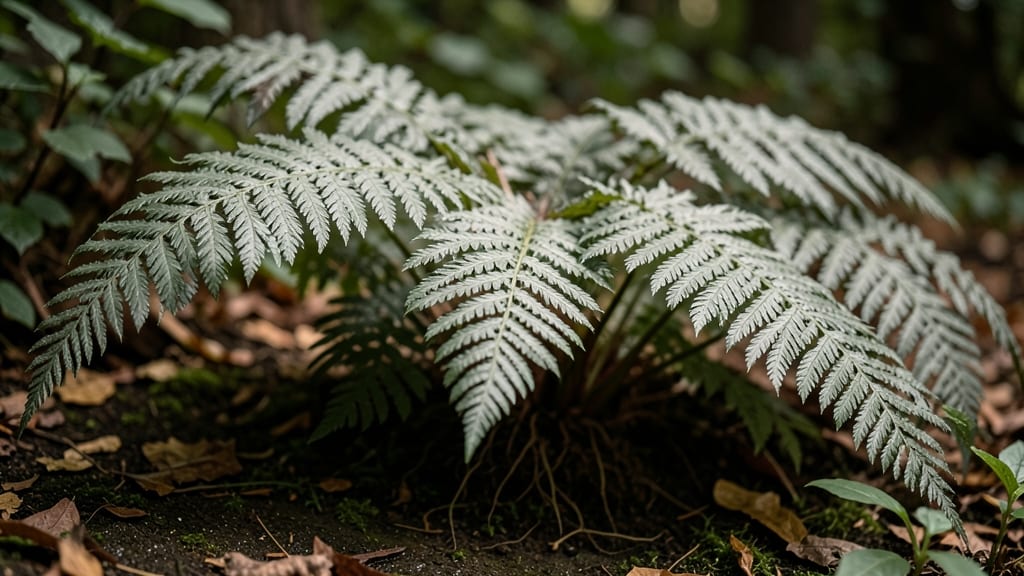
If your yard has deep shade where most plants struggle, the Japanese Painted Fern (Athyrium niponicum var. pictum) is your secret weapon. Unlike fussy ferns, this variety thrives in moist, acidic soils—ideal for North Texas’s humid summers—and its silvery fronds create stunning contrast against dark foliage or mulch.
Plant it where roots stay consistently damp (like under oaks or in woodland gardens) and watch its vibrant red stems pop against the silvery-green leaves. Unlike many ferns, it tolerates summer heat and even light foot traffic, making it perfect for borders or under large trees. For best results, mulch with pine needles or shredded bark to maintain acidity and moisture.
This fern is a beginner-friendly choice for gardeners who want texture without high maintenance. Pair it with hostas or astilbe for a layered, lush look that stays vibrant all season. 🌿
Hosta Varieties for Sun-Resistant Growth
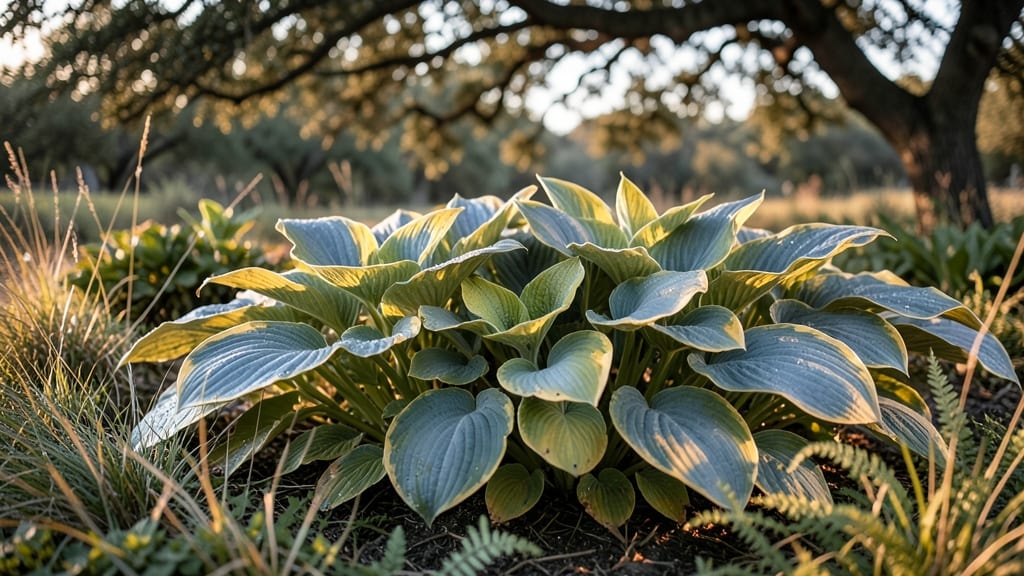
If you thought hostas needed perfect shade to thrive, think again—sun-resistant varieties like 'Halcyon' and 'Francee' prove they can handle more light than you’d expect. These golden-blue cultivars not only tolerate partial sun but also repel pests naturally, making them ideal for North Texas shade gardens with tricky light conditions.
For best results, plant them in well-draining soil with a 2-3 inch layer of mulch to retain moisture. Their broad leaves create stunning ground cover, but their real superpower is their ability to handle brief periods of afternoon sun—perfect for spots where other shade plants would scorch. Plus, their pest-repelling properties mean fewer slugs and snails to worry about. 💚
These varieties are especially great for gardeners who want low-maintenance drama without sacrificing shade tolerance. Whether you're filling a shady corner or brightening a partially sunny spot, hostas deliver year-round foliage interest with minimal effort. 🌱
Bleeding Heart Blooms in Spring and Fall
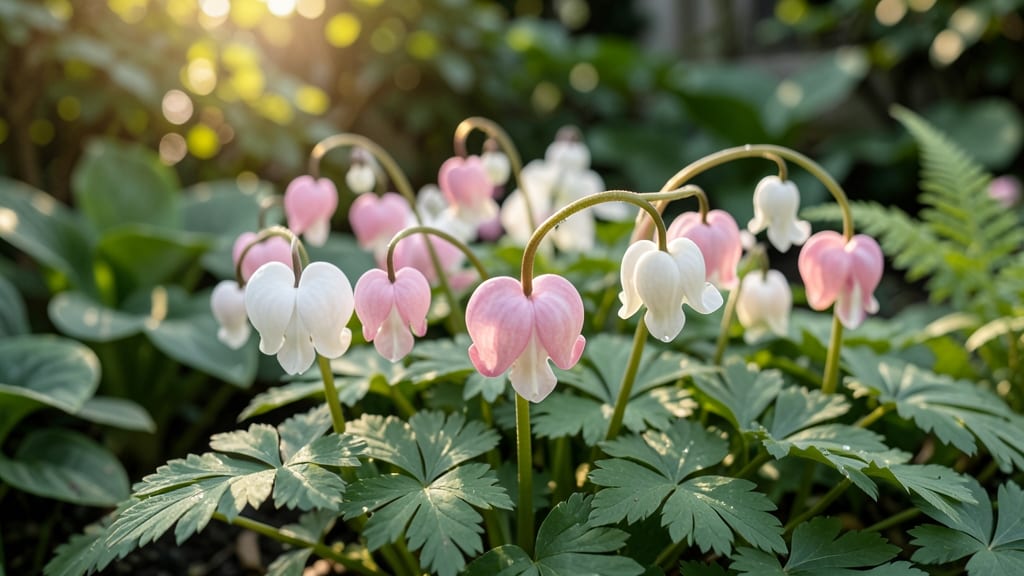
If you love romantic, cottage-style gardens but struggle with shady spots, bleeding heart (Dicentra spectabilis) is your perfect partner. This perennial delivers heart-shaped blooms in soft pink or white twice a year—once in spring and again in fall—while thriving in partial shade where other plants wilt.
North Texas gardeners will appreciate its humidity tolerance, making it ideal for the region's sticky summers. Plant it in well-draining, moist soil enriched with organic matter, and watch it attract hummingbirds with its nectar-rich flowers. For best results, divide clumps every 3-4 years to maintain vigor and encourage fuller blooms.
This plant is especially magical for beginners or those with limited space—its delicate cascading habit adds vertical interest without requiring staking. Pair it with ferns or hostas for a dreamy shade garden that feels like a fairy tale. 💚
Coral Bells for Long-Lasting Seasonal Interest
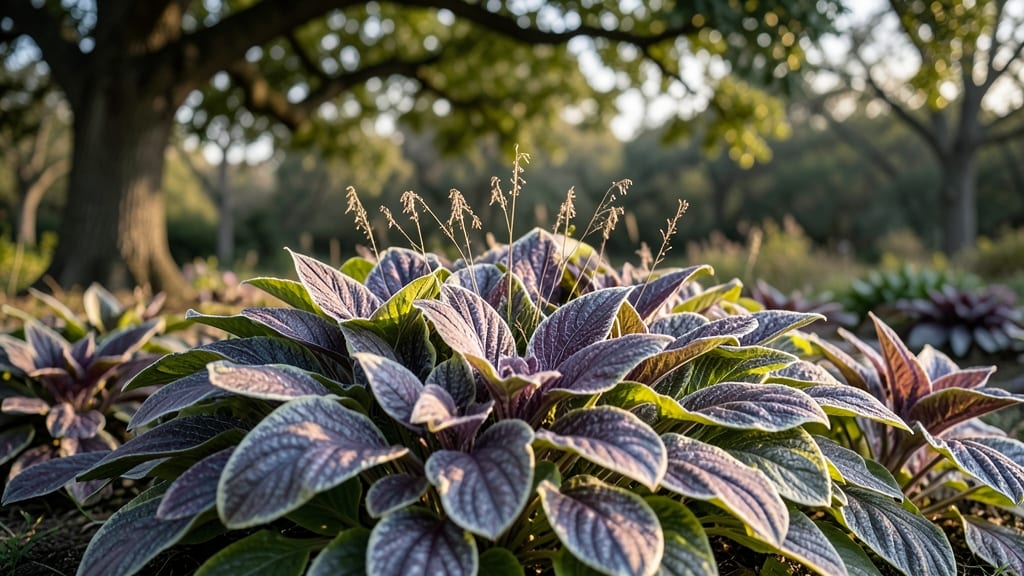
If you're looking for a year-round shade perennial that demands almost no attention, coral bells (Heuchera) are your secret weapon. These versatile plants offer striking foliage in shades of purple, silver, or chartreuse—even after the spring blooms fade—while thriving in North Texas' heat and humidity once established.
Plant Heuchera in well-draining soil with partial to full shade, and water regularly until roots establish (about 6 weeks). Their drought-tolerant nature makes them perfect for rock gardens or containers, where their compact size (12-18 inches tall) adds vibrant pops of color. Varieties like 'Palace Purple' or 'Lime Rickey' provide bold contrasts that keep your shade garden lively from spring through winter.
Ideal for urban gardeners or beginners, coral bells require minimal pruning—just remove dead foliage in early spring. Their low-maintenance charm and versatile placement make them a must-have for any North Texas shade garden. 🌿
Astilbe Adds Airy Texture to Shady Spots
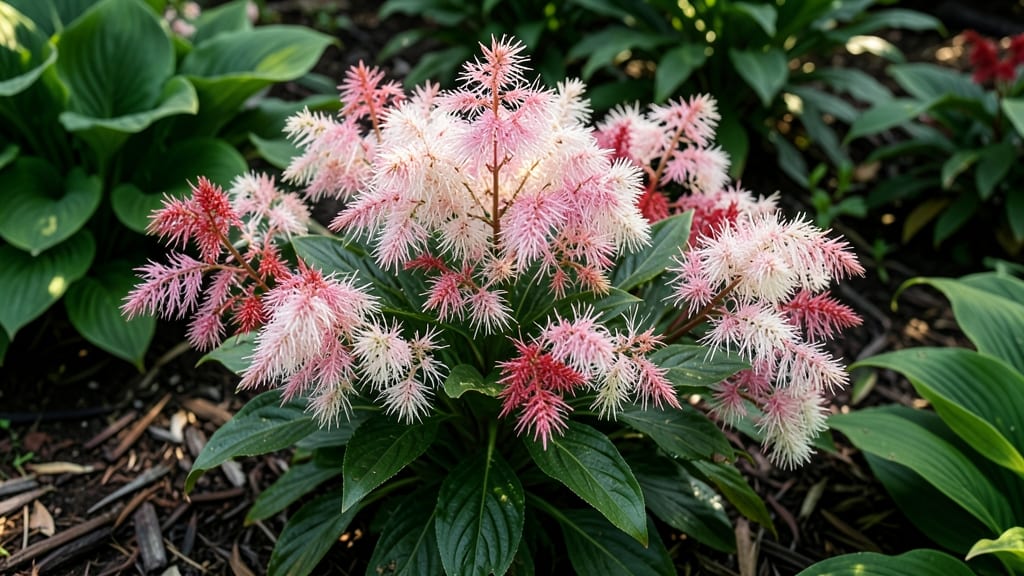
When your shade garden feels flat and lacks dimension, astilbe swoops in like a soft, feathery cloud to transform it. These summer-to-fall bloomers produce delicate plumes in pink, white, or red, creating movement and texture where other shade plants might leave gaps.
Plant astilbe in consistently moist soil—it thrives in North Texas humidity but needs reliable watering during dry spells. The clumping habit makes it ideal for borders, while its 18-inch to 3-foot height adds vertical interest without overwhelming smaller perennials like hostas or ferns.
Perfect for beginners or busy gardeners, astilbe requires minimal care beyond dividing every 3-4 years to keep blooms vigorous. Pair it with bleeding heart or Japanese painted fern for a layered, dreamy shade garden that stays lush all season. 🌷
Lungwort for Medicinal and Ornamental Value
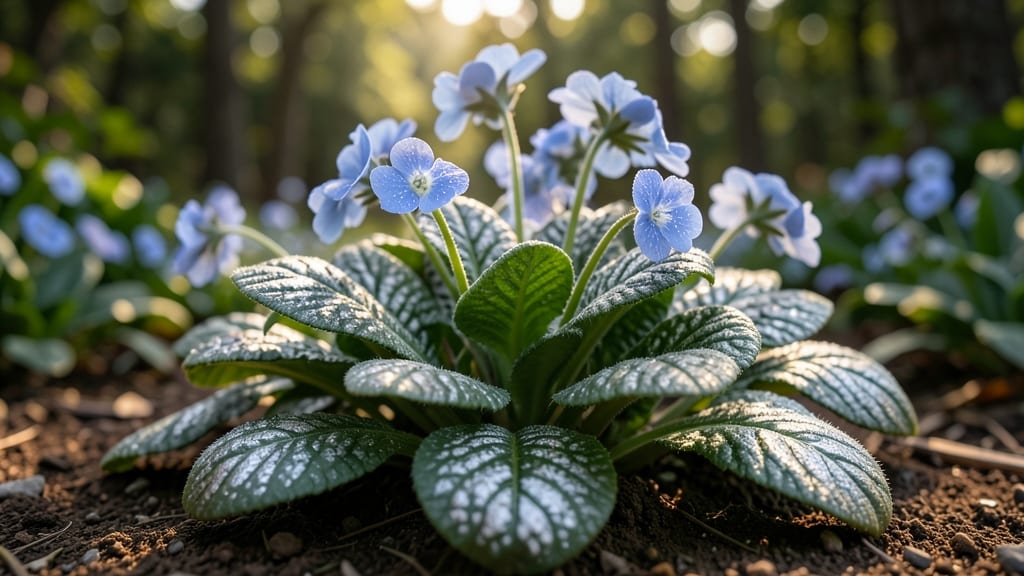
Looking for a shade perennial that’s both beautiful and historically medicinal? Lungwort (Pulmonaria spp.) delivers with its striking silver-spotted foliage and delicate blue spring blooms, making it a standout for North Texas gardens.
This hardy plant thrives in humidity and poor soil, requiring minimal care while attracting pollinators. Its unique foliage provides year-round interest, and the flowers transition from blue to pink as they age, adding dynamic color. Perfect for native plant gardens or pollinator-friendly spaces, lungwort also has a history of medicinal use for respiratory health.
Ideal for gardeners seeking low-maintenance yet impactful plants, lungwort pairs beautifully with ferns and hostas in shady beds. 💚
Solomon’s Seal Creates Graceful Arches
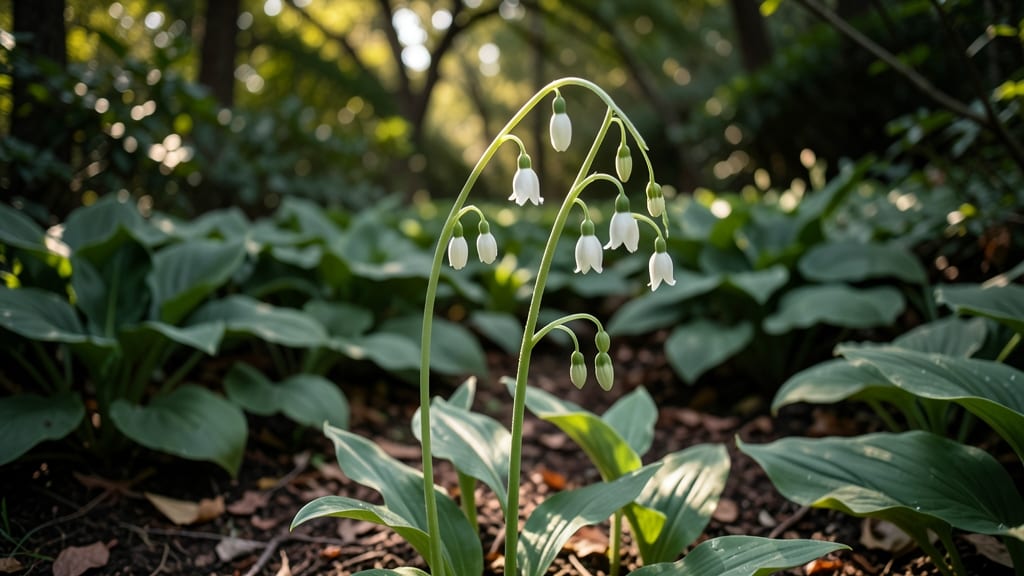
Tired of flat, boring shade gardens? Solomon’s Seal (Polygonatum) transforms your space with its elegant, arching stems that create natural vertical lines—no trellis required. This shade-loving perennial thrives in North Texas’ humidity while producing delicate white or greenish flowers that dangle like tiny chandeliers from spring to summer.
Plant it in partial to full shade with well-draining soil, and watch it establish quickly with minimal care. Its deer-resistant foliage and long lifespan (20+ years) make it a smart investment for busy gardeners. For best results, space plants 18–24 inches apart and prune spent flower stalks in early summer to encourage bushier growth.
Perfect for woodland gardens, borders, or even container plantings, Solomon’s Seal adds year-round structure with its glossy, arching stems. It’s the ideal choice for gardeners who want beauty without the fuss. 🌿
Toad Lily for Unique Summer Blooms
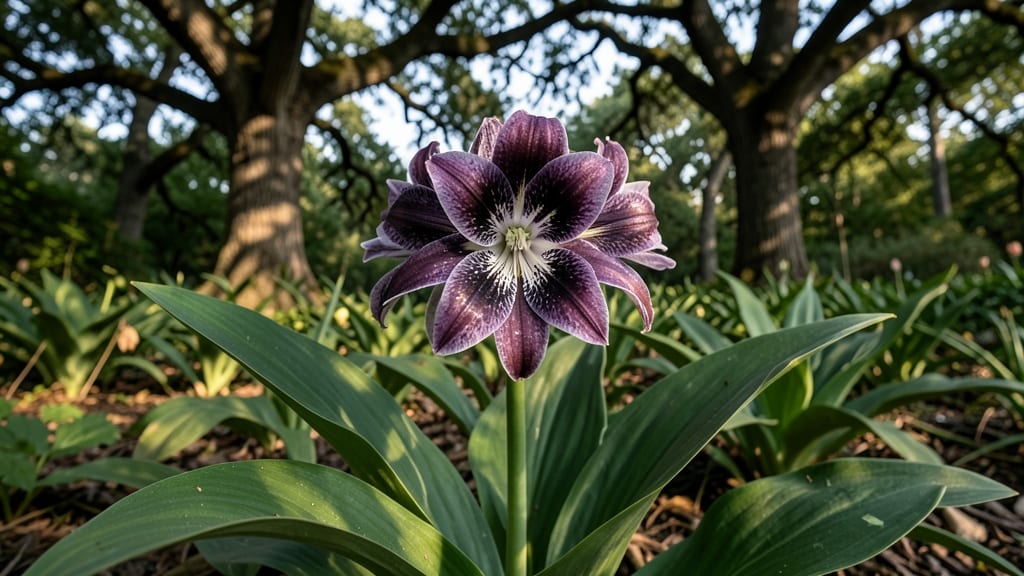
When most perennials fade into summer's heat, toad lily (Tricyrtis) emerges with its dramatic, exotic blooms—purple and white spots that resemble a painter's brushstrokes. This underused gem thrives in North Texas' humid shade, offering late-season color when gardens need it most.
Plant toad lily in partial to full shade with consistently moist, well-draining soil—it mimics woodland conditions perfectly. Its fragrant flowers (blooming August through October) attract hummingbirds and bees, while its dark green foliage provides year-round structure. Divide clumps every 3-4 years to maintain vigor.
Perfect for gardeners who want low-maintenance yet striking plants, toad lily adds a touch of mystery to shady borders or woodland gardens. 🌟
Sweet Woodruff for Fragrant Ground Cover
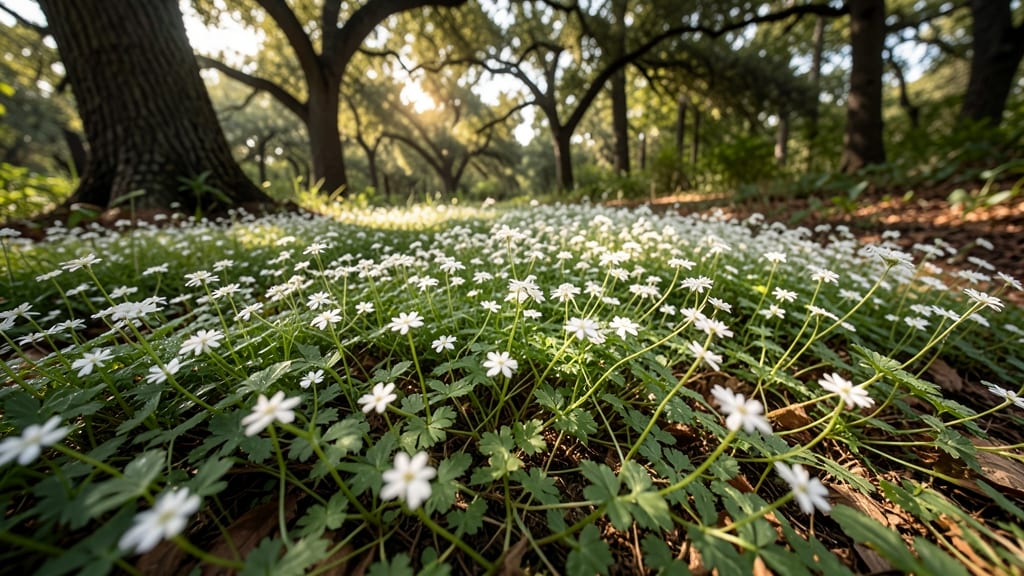
Transform dull, shady spots into fragrant retreats with sweet woodruff (Galium odoratum), a delicate ground cover that thrives where others struggle. Its star-shaped white flowers and vanilla-scented foliage create a sensory garden experience—especially when crushed underfoot or brushed by passing breezes.
This hardy perennial spreads gently to form a living carpet under trees or along pathways, requiring little water once established and tolerating dry shade better than most. Plant in early spring for best results, spacing clumps 12-18 inches apart. While it prefers moist, well-drained soil, it adapts well to North Texas' alkaline conditions.
Perfect for gardeners who love low-maintenance plants with multi-sensory appeal, sweet woodruff also makes an excellent companion for hostas or ferns. Just avoid overwatering—it’s drought-tolerant once settled in. 🌿
Foamflower for Early Spring Color

When early spring feels like a blank canvas in your North Texas shade garden, foamflower (Tiarella) steps in with its frothy white or soft pink blooms that appear before most perennials even wake up. This underrated gem thrives in the same moist, shaded conditions that challenge other plants, making it a reliable early-season performer.
Plant Tiarella in well-draining, humus-rich soil where it receives partial to full shade—perfect for understory plantings or north-facing beds. Its semi-evergreen foliage stays attractive even in winter, providing year-round interest, while the spring blooms last for weeks. A bonus for pollinators, foamflower attracts early bees and butterflies when little else is flowering. 🌷
This plant is ideal for gardeners who want low-maintenance color without high upkeep. Pair it with hostas or ferns for a lush, layered look that stays vibrant from winter through spring. For North Texas gardeners, it’s one of the few perennials that truly delivers early-season cheer with minimal fuss. 💚