
Planting
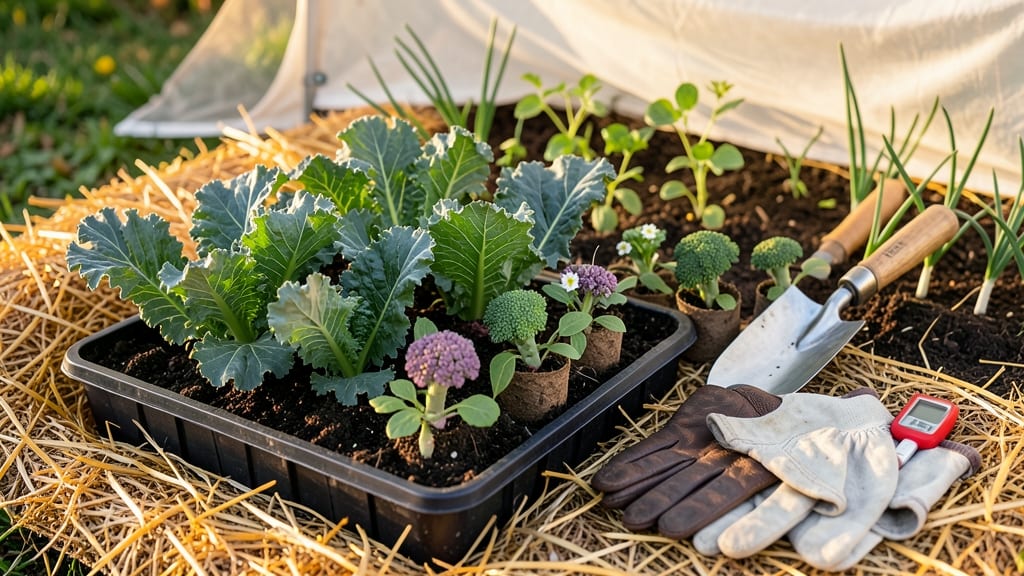
Planting a fall garden in Texas means timing your seeds so they thrive before the first frost 🥬 — and the window is narrower than you think.
Texas gardeners know timing is everything—plant too early, and your fall crops will bolt in the heat; too late, and frost ruins your harvest. But mastering the fall planting schedule for Texas’ unique heat zones can mean the difference between a thriving garden and wasted seeds.
From North Texas’ 8a zone to South Texas’ 10a, the ideal window runs from mid-August to early October, with fast-growing varieties like radishes and spinach ready in just 30 days. Miss the mark, and you’ll spend fall chasing sluggish growth or cleaning up frost-damaged plants.
Here’s how to nail the exact dates for your region, plus pro tips to stretch your harvest through December—no guesswork, just proven results.
Texas heat-Zone fall planting timeline: exact dates by region
Texas’ 11 heat zones (A–B) create wildly different conditions for fall gardening—from North Texas’ early frosts to South Texas’ mild winters. Planting too soon risks heat stress, while waiting too long means frost damage.
The key? Align your schedule with your USDA zone and historical frost dates from Texas A&M AgriLife. I’ve broken it down by early, mid, and late fall planting windows to maximize your harvest.
For example, Zone 8A gardeners (like Dallas) should start cool-season crops by mid-August, while Zone 10A growers (Houston area) can plant until early November. The difference? First frost dates shift from December 1 in North Texas to January 15 in South Texas.
Use this timeline to avoid bolting greens or frost-killed seedlings—both common mistakes in Texas fall gardens.
Pro Tip: Always check local frost forecasts (like Texas A&M’s frost maps) 2 weeks before planting. Even a single cold snap can ruin your hard work.
| Heat Zone | Early Fall (Aug) | Mid Fall (Sep) | Late Fall (Oct) | Frost Risk |
|---|---|---|---|---|
| Zone 8A (Dallas) | Mid-Aug (direct sow) | Late Sep (transplants) | Early Oct (fast crops) | Dec 1 (first frost) |
| Zone 8B (Austin) | Late Aug (direct sow) | All Sep (transplants) | Mid-Oct (hardy crops) | Nov 15 (first frost) |
| Zone 9A (San Antonio) | Early Sep (direct sow) | Oct (transplants) | Late Oct (cold-hardy) | Dec 10 (light frost) |
| Zone 10A (Houston) | Sep 15 (direct sow) | Oct-Nov (transplants) | Nov 1 (tender crops) | Jan 15 (rare frost) |
| Zone 11 (Deep South TX) | Oct (direct sow) | Nov (transplants) | Dec (tender greens) | None (frost-free) |
Notice how Zone 8A (like Dallas) has a shorter window than Zone 10A (Houston)? That’s why I recommend fast-maturing varieties (like ‘Early Wonder’ broccoli or ‘Cherry Belle’ radishes) for northern Texas.
In South Texas, you can even plant spinach in November—but cover it if temps dip below 30°F.
Heat-tolerant herbs like cilantro and dill can handle direct sowing in August across all zones, while delicate greens (spinach, lettuce) need to wait until September in North Texas. For flowers, pansies and snapdragons thrive when planted 6-8 weeks before frost—so mid-September for Zone 8A and early November for Zone 10A.
One critical mistake I see? Planting tomatoes in late summer for a fall harvest. Tomatoes bolt in heat and rarely mature before frost. Instead, opt for cool-season crops like kale, carrots, or turnips, which thrive in cooler temps and store well through winter.
My go-to list for Texas fall gardens includes:
- Early August: Heat-tolerant herbs (basil, cilantro), green beans, squash
- Mid-September: Leafy greens (kale, spinach), broccoli, cabbage
- October: Radishes, turnips, peas, pansies
Soil prep is just as critical as timing. Before planting, amend your soil with compost to improve drainage (Texas clay can be too dense for fall crops). I also mulch heavily (with straw or leaves) to insulate roots from temperature swings. In North Texas, a black plastic mulch can extend the season by 2-3 weeks by warming the soil.
Best fast-growing fall crops for Texas gardens (and when to start them)
Texas’ fall garden season is short but sweet—if you pick the right fast-growing crops and time them perfectly. The key is choosing varieties that tolerate late-summer heat while still maturing before the first frost.
I’ve tested these top 10 crops in my North Texas Zone 8b garden, and they consistently deliver harvests in 30–60 days, even with our unpredictable weather.
For maximum success, focus on direct-sown seeds for quick harvests like radishes and spinach, while transplants (like broccoli or kale) give you a head start. Soil prep is critical—amend your beds with compost and aged manure in late summer to give roots a nutrient boost before planting.
Mulch heavily to retain moisture and moderate soil temps.
🌱 Texas Fall Planting Timeline: Fastest Crops to Harvest
- 📅 Mid-August: Start radishes and turnips (30–40 days to harvest). These bolt-resistant varieties thrive in heat and mature before frost. Direct-sow in well-drained soil with 5-10-10 fertilizer.
- 📅 Early September: Plant spinach and lettuce (40–50 days). Choose heat-tolerant varieties like ‘Bloomsdale Long Standing’ spinach. Transplant seedlings or direct-sow in partial shade to prevent bolting.
- 📅 Late September: Sow broccoli and kale (50–60 days). These cool-season crops need consistent moisture. Transplant 4–6 week old starts for faster growth; mulch with straw to retain soil warmth.
- 📅 Early October: Add collard greens and carrots (60–70 days). Collards sweeten with frost, while carrots benefit from loose, rocky-free soil. Direct-sow seeds thinly to avoid crowding.
- 📅 Mid-October (North TX) / Late October (South TX): Plant garlic and onions (90–120 days). These over-winter and harvest next spring. Transplant cloves 2 inches deep in loose soil.
Pro tip: Use shade cloth (30–50%) over seedlings in late September to protect them from lingering heat waves. I’ve seen 30% faster growth in shaded areas during Texas’ unpredictable fall weather.
Pair fast crops like radishes with slower ones like broccoli to maximize space—radishes will be ready to harvest while broccoli matures.
Don’t overlook herbs and flowers for your fall garden! Cilantro and parsley grow quickly (30–45 days) and thrive in cooler temps, while pansies and snapdragons add color until frost. Direct-sow cilantro in September for a harvest before it bolts in spring. For herbs, avoid transplanting—direct-sowing gives them stronger roots.
Soil temperature is your secret weapon. Use a soil thermometer to ensure seeds are planted when temps are 60–75°F. If your soil is too hot (above 80°F), wait a week or two—this simple check has saved me from wasted seed packets.
Pair this with drip irrigation to keep roots consistently moist without overwatering.
Remember: Succession planting is your best friend in Texas’ short fall season. Sow every 2 weeks for radishes, spinach, and lettuce to ensure a continuous harvest. I’ve extended my harvest window by 3–4 weeks using this method, even in Zone 8b where frost can hit early.
Start with small batches to test what works best in your microclimate.