
Planting
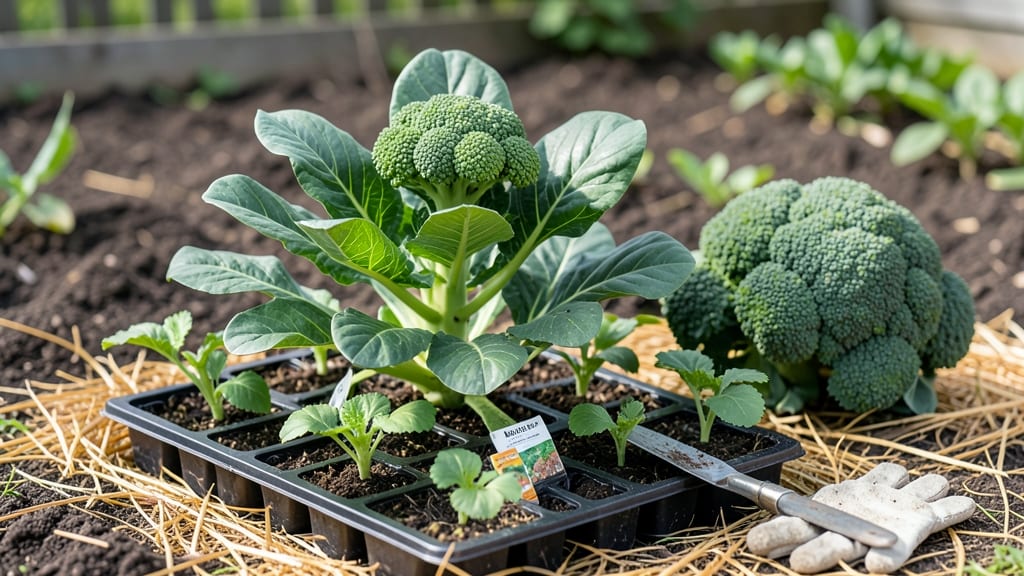
To plant a fall garden in Zone 7, start 6-8 weeks before your first frost—typically between mid-August and early September for most crops 🥬.
Missed your spring planting window? Don’t worry—Zone 7 gardeners can still grow a bountiful fall harvest with the right timing. Plant too early, and your crops will bolt; too late, and frost will ruin them.
Fall gardening is all about working with your climate, not against it. The key is knowing which crops thrive in cooler weather and when to get them in the ground for a harvest before winter sets in.
In this guide, I’ll break down the exact planting dates by plant type, soil prep tips, and how to adjust for your local microclimate—so you can enjoy fresh greens, root veggies, and more straight from your garden.
Fall planting timeline for Zone 7: exact dates by plant type
Zone 7 gardeners have a second chance at a bountiful harvest, but timing is everything. The first frost typically arrives around November 1, giving you just 6-8 weeks to grow cool-season crops from seed to harvest.
Warm-season holdovers like tomatoes and peppers need even tighter windows—late July to early August for transplants to mature before frost. Let’s break down the exact planting schedule by crop category to avoid bolting or frost damage.
For cool-season crops (leafy greens, brassicas, root vegetables), start 6-8 weeks before your first frost date.
This means late July to early September for most Zone 7 locations. Bush beans and peas, however, can handle cooler temps and tolerate light frosts, so they get a later window—mid-August to early September. Tomatoes, peppers, and eggplants are warm-season divas and must be planted by mid-July to reach maturity before frost.
Here’s the non-negotiable rule: Calculate your first frost date (use the USDA Zone 7 average of November 1) and work backward.
For example, if you’re growing broccoli, which takes 60-70 days to mature, plant seeds by early September to harvest before frost. Carrots and beets, with 50-60 days to maturity, can go in until mid-September. Spinach and lettuce, faster growers at 30-45 days, get a late-September extension—but watch for bolting if temps drop.
Tomatoes and peppers are the most time-sensitive crops in your fall garden. If you’re starting from seed, begin indoors by mid-June to transplant by July 1. Cherry tomatoes and peppers mature faster (60-70 days), giving you a smaller window to salvage a harvest. Eggplants, slower at 80-90 days, are a high-risk, high-reward choice—only attempt them if you planted early.
For cool-season crops, soil temperature is just as critical as air temperature.
Wait until soil cools below 80°F (check with a soil thermometer) before planting leafy greens and brassicas. Direct-sow radishes in late August for a quick harvest—these 30-day wonders can handle cool weather and even light frost. Arugula and mustard greens are frost-hardy and can be planted until mid-October for a winter harvest under row covers.
Brassicas like broccoli and cabbage need consistent moisture to prevent bitterness. Plant transplants (not seeds) by early September for a November harvest. Brussels sprouts, the patience-testing crop, take 90+ days—so
How to adjust planting dates for your specific Zone 7 microclimate
Zone 7’s fall planting dates aren’t one-size-fits-all—your exact location matters more than you think. A garden in Raleigh, NC will have different frost patterns than one in Denver, CO, even though both are Zone 7.
Microclimates like urban heat islands, elevation shifts, or wind exposure can push your first frost 2-3 weeks earlier than the USDA average.
Start by checking your local frost dates—not just the USDA’s general Zone 7 range. Websites like Almanac.com or your local Cooperative Extension office provide hyper-local data.
For example, Asheville, NC (Zone 7a) often sees frost 10-14 days earlier than Charlotte, NC (Zone 7b) due to higher elevation. Adjust your planting window accordingly.
Check Your Local Frost Dates
Use Almanac.com or your local Extension office to find your average first frost date. Subtract 6-8 weeks for cool-season crops like kale or carrots.
Adjust for Elevation
Every 1,000 ft gain in elevation drops temps by 3-5°F. If you’re at 2,000 ft, plant 10-14 days earlier than lowland gardens.
Account for Urban Heat Islands
Cities stay 5-10°F warmer than rural areas. Delay planting heat-sensitive crops like lettuce by 1-2 weeks to avoid bolting.
Use Row Covers to Extend Season
Lightweight frost blankets can push your harvest 2-4 weeks later. Remove them during the day for pollination (e.g., for broccoli or cabbage).
Try a Cold Frame for Late Harvests
A low-tunnel greenhouse can keep spinach or radishes growing until December. Monitor soil temps—ideal range is 40-60°F for most greens.
If you’re near large bodies of water or mountains, frost can arrive unpredictably. Plant successive crops every 2 weeks to stagger harvests. For example, sow lettuce on August 15, August 30, and September 15 to ensure a steady supply before frost.
For warm-season holdovers like tomatoes or peppers, prioritize fast-maturing varieties (e.g., ‘Early Girl’ tomatoes, which ripen in 50 days). Plant them by mid-July in warmer microclimates or early August in cooler pockets.
Pro tip: Keep a garden journal for 2-3 years to track your local frost dates. Note when volunteer plants (like dandelions or purslane) sprout in spring—this reveals your true growing season better than any app. 🌱