
Planting
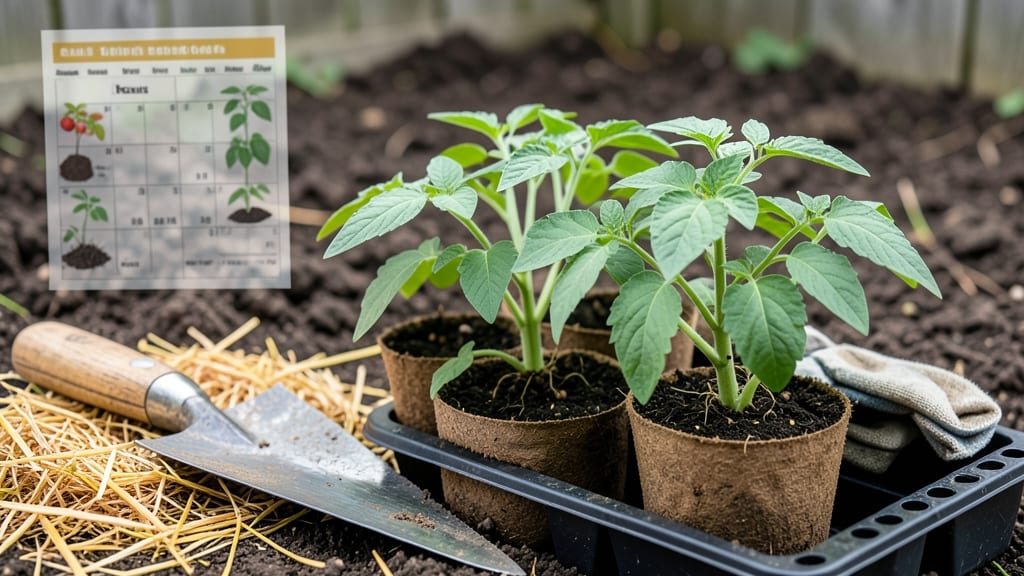
Planting your garden in Zone 7 after the last frost date—usually around March 15—sets the stage for a bountiful harvest 🌱.
Timing your garden planting in Zone 7 can mean the difference between a thriving harvest and wasted seeds—knowing the last frost date and ideal planting windows for each crop is non-negotiable.
Spring is the perfect time to get General Garden Plants in the ground, but not all crops play well together. Cool-season veggies like peas and lettuce can handle early planting, while tomatoes and peppers need to wait until the soil warms up.
Below, I break down the best planting windows for each crop type, how to adjust for unpredictable weather, and which plants thrive in Zone 7’s spring and fall seasons.
Zone 7 last frost dates and planting windows by month
Understanding your Zone 7 last frost date is the first step to successful gardening in this climate zone. While the average last frost date falls between March 15 and April 15, your exact date depends on whether you're in Zone 7a (colder) or Zone 7b (warmer).
These variations can shift planting windows by 2-3 weeks, so knowing your specific subzone matters.
For most of Zone 7, the first frost typically arrives around November 15, giving you roughly 180-210 frost-free days to grow your garden.
This means you can extend your growing season into early fall for cool-season crops, but warm-season plants need to be in the ground before May 1 to mature before frost.
Here’s how to use this information: Cool-season crops like lettuce and peas thrive when planted 4-6 weeks before your last frost, while warm-season crops such as tomatoes and peppers need soil temperatures above 60°F and should go in 2-4 weeks after.
Let’s break it down month by month for clarity.
| Month | Cool-Season Crops (Plant Before Last Frost) | Warm-Season Crops (Plant After Last Frost) | Soil Temp Requirement | Notes |
|---|---|---|---|---|
| February | Spinach, Kale, Peas, Lettuce | None (too early) | 40-50°F | Use frost cloth for protection |
| March | Broccoli, Cabbage, Carrots, Onions | Peppers (start indoors) | 50-60°F | Watch for late frosts |
| April | Radishes, Beets, Potatoes | Tomatoes, Cucumbers (after last frost) | 60-70°F | Harden off seedlings |
| May | None (too warm) | Beans, Corn, Squash, Basil | 70°F+ | Mulch to retain moisture |
| June | None | Sweet Potatoes, Okra, Melons | 75°F+ | Water deeply 2-3x/week |
| July-August | None (summer dormancy) | Succession plant: Beans, Lettuce | 60-70°F (for fall crops) | Prepare for fall planting |
| September | Kale, Spinach, Radishes, Broccoli | None (too late for warm crops) | 50-60°F | Plant 6-8 weeks before first frost |
| October | Garlic, Onions, Cover crops | None | 40°F+ | Protect with mulch |
In Zone 7a, where winters are slightly colder, you’ll want to err on the side of earlier planting for cool-season crops. For example, spinach and peas can often be sown in late February with frost protection, while Zone 7b gardeners might wait until mid-March.
Conversely, warm-season crops like tomatoes and peppers can sometimes be planted 1-2 weeks later in Zone 7b due to warmer soil.
One of my biggest mistakes was planting tomato seedlings too early in Zone 7a—they bolted in the cold soil. Now, I always check soil temperature with a thermometer (60°F+ for tomatoes) and wait until mid-April for most of the zone.
For peppers, which need even warmer soil (70°F+), I start them indoors in March and transplant after May 1.
Don’t overlook fall planting—it’s a game-changer for Zone 7 gardeners. Crops like kale and broccoli
Best crops to plant in early spring, late spring, and summer in Zone 7
Zone 7 gardeners have a golden window for planting—starting with frost-tolerant crops in early spring and transitioning to heat-loving plants by summer. The key is matching each crop to its ideal planting window while accounting for the 5-10°F difference between Zone 7a (colder) and 7b (warmer).
For example, Zone 7a may see last frosts around April 15, while Zone 7b often warms up by March 25.
Extension services like the University of Georgia and Virginia Tech recommend starting with cool-season crops in early spring, then shifting to warm-season plants after your area’s last frost.
Even within Zone 7, microclimates (like urban heat islands) can shift planting times by 2-3 weeks, so always check local frost data. My go-to rule?
Plant peas and lettuce as soon as soil is workable (around March 1 in 7b), then move to tomatoes and peppers after May 1.
🌱 Zone 7 Planting Timeline by Season
- Early Spring (Feb–April): Peas, spinach, kale, onions, pansies—plant these 4–6 weeks before last frost or as soon as soil thaws.
- Late Spring (May–June): Tomatoes, peppers, cucumbers, basil, marigolds—wait until soil reaches 60°F+ and night temps stay above 50°F.
- Summer (July–August): Sweet potatoes, okra, beans, sunflowers, zinnias—these thrive in consistent heat and 6+ hours of sun.
💡 Pro Tip: Use row covers to extend early spring planting for broccoli and cabbage in Zone 7a.
For herbs, my late-spring favorites include cilantro and dill, which bolt in summer heat, while thyme and rosemary handle summer’s intensity.
Flowers like pansies (early spring) and zinnias (summer) add color without competing for space. Zone 7b gardeners can push the envelope: try melons and eggplants in late May, but Zone 7a wait until June to avoid frost surprises.
Don’t overlook succession planting—this is my secret to nonstop harvests. After pulling early lettuce or radishes, replant with bush beans or carrots in the same spot.
For summer squash, sow seeds every 2 weeks from June through July to stagger ripening. Extension services often recommend direct sowing for root crops (like carrots and beets) to avoid transplant shock.
If you’re new to Zone 7 gardening, start small with 3–4 easy crops: lettuce, tomatoes, basil, and marigolds. These cover cool and warm seasons while being forgiving of minor timing mistakes.
For advanced gardeners, experiment with fall planting (like kale and garlic) 6–8 weeks before your first frost (typically November 15).
Remember: soil temperature matters more than air temperature. Use a soil thermometer to confirm 50°F+ for cool crops and 60°F+ for warm crops. My Zone 7 garden thrives when I follow this rule—no guesswork, just growth! 🌿