
Planting
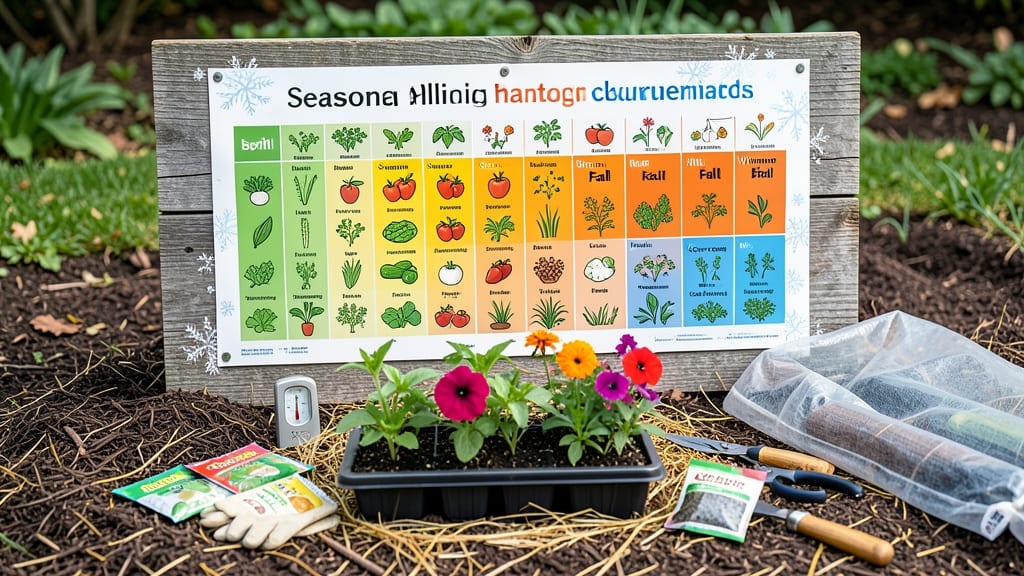
Ohio’s Zone 6 planting schedule keeps your garden thriving by aligning with frost dates, soil warmth, and seasonal shifts—critical for everything from tomatoes to tulips.
Picture this: you’ve prepped your soil, ordered seeds, and can’t wait to plant—only to watch a late frost nip your seedlings in the bud. Or worse, you miss the sweet spot for warm-season crops and end up with a shortened harvest.
Ohio’s Zone 6 climate demands precision, but with the right timing, you’ll maximize yields and avoid common pitfalls.
This guide breaks down the exact months to plant annuals, perennials, and vegetables, including when to start seeds indoors and when to transplant outdoors. Whether you’re growing heat-loving peppers or cool-season greens, knowing your frost dates is the key to a productive garden.
You’ll discover how to stretch your growing season with row covers, when to sow fall crops, and the best plants for Ohio’s Zone 6 conditions. Let’s turn your garden dreams into reality—one perfectly timed planting at a time.

Ohio Zone 6 frost dates and critical planting windows by month
Ohio’s Zone 6 climate delivers 180-200 frost-free days annually, creating a perfect window for both cool-season and warm-season crops. The average last spring frost typically arrives between April 15 and May 1, while the first fall frost usually hits October 15 to November 1.
These dates vary slightly by region—northern Ohio leans cooler, while southern Ohio enjoys a longer growing season.
Understanding these critical frost dates helps you avoid frost damage to tender plants while maximizing your garden’s potential. For example, planting tomatoes or peppers too early can spell disaster, but waiting until after the last frost ensures strong, healthy growth.
Let’s break down the month-by-month planting schedule to help you plan like a pro.
Here’s your Ohio Zone 6 planting calendar, organized by plant type and frost-sensitive stages. Use this as your guide to direct sowing, transplanting, and season extension strategies.
| Month | Plant Type | Action | Notes | Frost Risk | ||||||||||||||||||||||||||||||
|---|---|---|---|---|---|---|---|---|---|---|---|---|---|---|---|---|---|---|---|---|---|---|---|---|---|---|---|---|---|---|---|---|---|---|
| March | Cool-Season Crops | Direct sow spinach, peas, lettuce | Start indoors: onions, broccoli | High (late frosts) | ||||||||||||||||||||||||||||||
| April | Cool-Season + Hardy Perennials | Transplant cabbage, kale; direct sow radishes, carrots | Plant asparagus crowns, rhubarb | Moderate (watch for late frosts) | ||||||||||||||||||||||||||||||
| May | Warm-Season Starts | Transplant tomatoes, peppers, eggplants after last frost | Direct sow beans, corn, cucumbers | Low (post-frost window opens) | ||||||||||||||||||||||||||||||
| June | Peak Planting | Sow squash, melons, okra; succession plant lettuce | Plant flowers for summer blooms (marigolds, zinnias) | None (safe for all) | ||||||||||||||||||||||||||||||
| July | Late-Season Extenders | Sow bush beans, turnips for fall harvest | Start broccoli, cabbage indoors for fall transplant | None (heat stress risk) | ||||||||||||||||||||||||||||||
| August | Fall Prep | Transplant fall broccoli, kale; direct sow spinach, radishes | Plant garlic, onions for next year | Low (early frosts possible) | ||||||||||||||||||||||||||||||
| September | Cool-Season Revival | Direct sow peas, lettuce, arugula | Plant perennial flowers (asters, chrysanthemums) |
Best plants to grow in Ohio Zone 6: when to start seeds indoors vs. direct sowOhio’s Zone 6 climate lets you grow a wide variety of plants, but knowing when to start seeds indoors versus direct-sowing outdoors is key. Cool-season crops like lettuce and peas thrive when planted early, while warm-season favorites like tomatoes and peppers need a head start indoors. Let’s break down the best timing for your garden’s success. For cool-season crops, direct-sowing outdoors in early spring (March-April) or late summer (August-September) works best. Warm-season crops, however, need to be started indoors 6-8 weeks before the last frost date (typically mid-April in Ohio) to avoid frost damage. Understanding these windows will help you maximize your harvest.
Starting tomatoes and peppers indoors is a must in Ohio’s Zone 6. These warm-season crops need a long growing season, so begin seeds indoors in February-March for transplanting after the last frost. Lettuce and other greens, however, can be direct-sown as soon as the soil is workable in early spring or late summer for a fall harvest. Herbs like basil and cilantro also benefit from indoor starts. Basil should begin indoors in late March and be transplanted after the last frost, while cilantro can be direct-sown in early spring or late summer. For flowers like marigolds, direct-sowing after the last frost is simplest and most effective. If you’re unsure about frost dates, err on the side of caution. Use row covers or a cold frame to protect tender plants if late frosts threaten. This extra layer of protection can extend your growing season and give your plants the best chance to thrive. With this schedule, you’ll avoid the common pitfalls of planting too early or too late. Timing is everything in Ohio’s Zone 6, and following these guidelines will help you grow a bountiful, healthy garden all season long. Happy planting! 🌱 |