
Planting
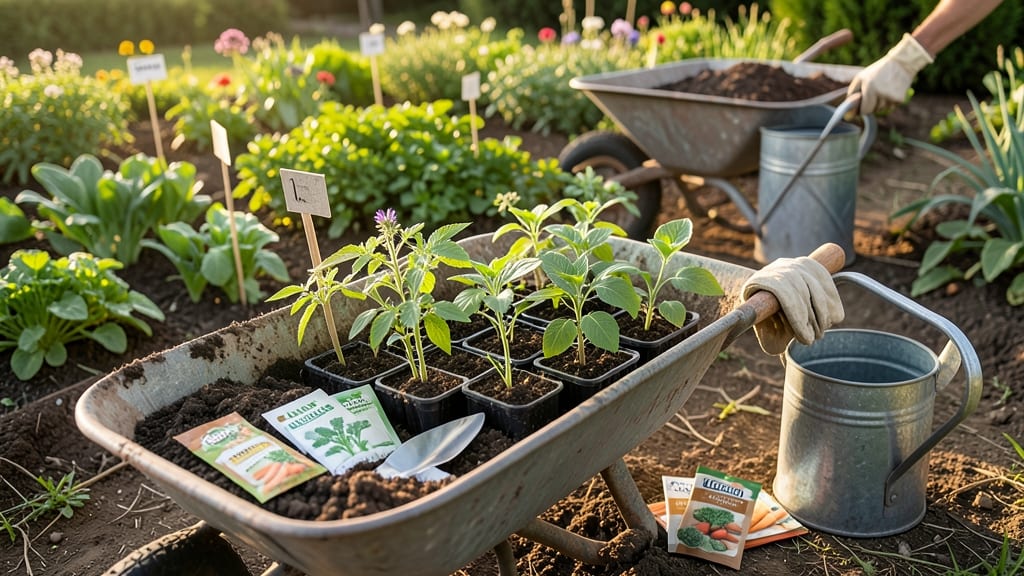
A Zone 7 vegetable planting calendar 🌱 is your secret weapon for a garden that thrives—no more guessing when to plant or watching your hard work fade under the wrong conditions.
Zone 7 gardeners know timing is everything—plant too early, and frost ruins your harvest; too late, and your vegetables struggle to mature. This exact month-by-month schedule aligns seeds and transplants with Zone 7’s unique climate, so you can focus on growing, not troubleshooting.
From cool-season stars like spinach and peas in early spring to heat-loving tomatoes and peppers in summer, this calendar covers every key vegetable and the ideal window to plant for maximum yield. No more wasted seeds or missed harvests!
Inside, you’ll find month-by-month planting tips, frost dates, and succession planting strategies tailored to Zone 7’s 180 frost-free days. Ready to turn your garden into a high-yield machine?
Zone 7 vegetable planting calendar by month: what to sow when for peak harvests
Zone 7 gardeners face a 180-day frost-free season, giving us time to grow both cool-season crops in spring and fall and warm-season favorites in summer. The key is aligning planting with soil temperatures and last/first frost dates—typically April 15 and October 15, respectively.
This calendar breaks down exactly what to plant each month to maximize your harvest.
For cool-season vegetables like lettuce and peas, start seeds 4-6 weeks before last frost (early March).
Meanwhile, warm-season crops such as tomatoes and peppers need to wait until soil warms to 60°F+, usually mid-May. Succession planting is your secret weapon—sow fast growers like radishes every 2-3 weeks to ensure a continuous supply.
Here’s your Zone 7 planting roadmap, organized by month with ideal crops, soil temps, and spacing tips to avoid overcrowding.
| Month | Cool-Season Crops (Start Indoors/Outdoors) | Warm-Season Crops (Direct Sow/Transplant) | Soil Temp (°F) | Succession Planting Tip |
|---|---|---|---|---|
| March | Peas, Spinach, Lettuce, Radishes, Onions | — | 40-50°F | Sow radishes every 2 weeks for continuous harvest |
| April | Broccoli, Cabbage, Kale, Carrots, Beets | Tomato/Pepper Starts Indoors | 50-60°F | Harden off transplants for May planting |
| May | Lettuce (shade-tolerant), Bush Beans | Tomatoes, Peppers, Corn, Cucumbers, Squash | 60-70°F | Plant corn in blocks for pollination |
| June | — | Green Beans, Okra, Sweet Potatoes | 70-80°F | Mulch to retain moisture during heat |
| July | — | Fall Transplants: Broccoli, Cabbage | 65-75°F | Start cool-season seeds indoors for August |
| August | Lettuce, Spinach, Radishes, Turnips | Peppers, Eggplant (extend season) | 60-70°F | Use row covers to protect from early frost |
| September | Kale, Brussels Sprouts, Carrots, Beets | — | 50-60°F |
Best vegetables to grow in Zone 7: month-by-month prioritization for high-yield gardensZone 7 gardeners have a golden opportunity to grow a bountiful harvest year-round with the right seasonal planning. The key lies in selecting high-yield vegetables that thrive during Zone 7’s 180 frost-free days. I’ve curated this list based on my 10+ years of experience growing vegetables in Zone 7, focusing on ease of growth, yield potential, and seasonal alignment. Whether you’re a beginner or a seasoned gardener, these top-performing vegetables will help you maximize your garden’s potential. From cool-season starters like spinach and peas to summer workhorses like zucchini and peppers, and fall extenders such as kale and carrots, I’ve included notes on container vs. in-ground suitability to fit any space. 🌱 Month-by-Month Vegetable Prioritization for Zone 7
For container gardening, prioritize compact varieties like bush beans, dwarf tomatoes, and lettuce. These thrive in 5-gallon pots or larger, making them perfect for balconies or patios. In-ground gardens, on the other hand, allow for larger plants like zucchini and corn, which need more space to spread. Pro tip: Succession planting is your secret weapon for continuous harvests. For example, sow radishes every 2 weeks from March to September—they mature in just 30 days! Similarly, lettuce and spinach can be replanted every 3-4 weeks to keep your kitchen stocked. Don’t overlook fall extenders like kale and carrots. These cool-season crops actually sweeten after a light frost, making them a harvest goldmine in late fall. With the right seasonal rotation, your Zone 7 garden can produce year-round freshness! |