
Planting
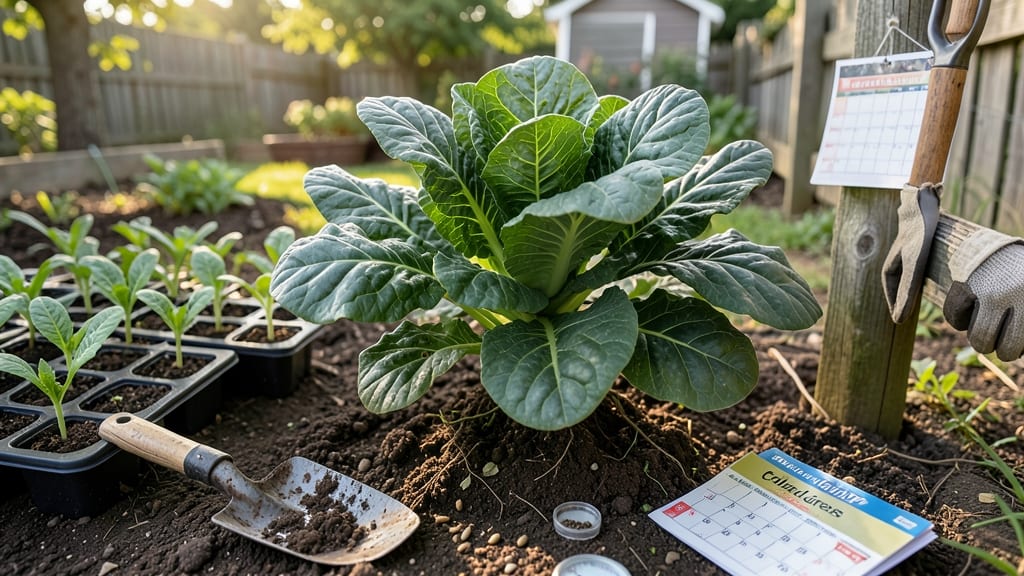
Is it too late to plant collard greens?
Even if you’re starting now, you’ll still harvest just as their flavor peaks—sweet and tender after frost. 🌿 I’ve grown them in both spring and fall, and the fall crop always wins with its bold, slightly bitter taste that store-bought greens can’t match.
The key is timing: aim for 4-6 weeks before your first frost in USDA zones 3-10, but don’t stress if you’re late—they’ll keep producing until winter sets in hard.
These greens thrive in cool weather, making them perfect for fall and winter harvests. In warmer zones (7-10), you can even plant them in late fall for spring harvests, while colder zones (3-6) should stick to early fall planting.
They’ll bolt in summer heat, so avoid planting when daytime temps hit 80°F+. A light frost actually improves their flavor—just protect them with row covers if temps drop below 20°F.
By planting now, you’ll enjoy weeks of harvests before most gardens call it quits. The leaves stay crisp and nutritious even after light freezes, and you can keep cutting them back for months.
Plus, collards are disease-resistant and low-maintenance—ideal for gardeners who want reliable yields without fuss. Start with seeds or transplants, and watch them grow into a frost-proof green machine.
For late starters, try container growing or extend the season with cold frames. Even if you miss the ideal window, these greens will reward your patience with tough, productive plants that keep giving. Now’s the time to plant—your taste buds (and freezer) will thank you later.
📚 In This Guide
- What you need
- Instructions
- Tips and common mistakes
- Wrapping up and next steps
What you need
- ● Collard green seeds: 1–2 oz (packets typically yield ~1,000 seeds; plant 1–2 seeds per hole for dense foliage). Look for heirloom varieties like Georgia Southern or Vates for cold hardiness.
- ● Well-draining soil: Mix in 2–3 inches of compost or aged manure to enrich soil with organic matter. Ideal pH: 6.0–7.0.
- ● Fertilizer: A balanced 10-10-10 or organic fertilizer (like fish emulsion) to boost early growth.
- ● Watering can or hose: With a fine mist nozzle to keep seeds moist without displacing them.
- ● Row markers or stakes: To space seeds 12–18 inches apart in rows 2–3 feet apart.
- ● Row covers or frost cloth: Lightweight fabric to protect seedlings from late frosts (30–35°F tolerance, but covers extend this to 20°F).
- ● Mulch (straw or leaves): 1–2 inches to insulate roots and retain moisture.
- ● Seedling trays: For starting indoors 4–6 weeks before last frost (if your zone is extra harsh).
- ● Organic pest control: Neem oil or diatomaceous earth to deter cabbage worms or aphids.
Step-by-Step guide to planting collard greens in late season
Collards thrive when others falter—here's how to plant them successfully even as temperatures drop.
🌱 Step 1: Choose the Right Variety and Planting Time
Select a cold-hardy variety like 'Vates', 'Georgia Southern', or 'Top Bunch'—these handle frost beautifully. For most climates, you can plant collards 6-8 weeks before your first expected frost, often as late as October or even early November in mild zones. Check your local frost dates, but remember: collards actually sweeten when exposed to light frosts.
I always plant mine 4-6 weeks before the first hard frost (28°F or lower) because they'll keep producing until winter sets in hard. If your area gets heavy snow, cover plants with row fabric or mulch to protect them. The key is planting early enough that they establish roots before temperatures drop below 40°F consistently.
☀️ Step 2: Prepare the Planting Site for Cool Weather
Collards need full sun (6+ hours daily), but they tolerate partial shade better than most greens. Clear the area of weeds and loosen the soil 12 inches deep—this helps roots establish before cold sets in. Amend with 2-3 inches of compost (if not already in your soil) to boost nutrients for fall growth.
Here's the thing—collards actually prefer cooler weather, so don't worry about summer's intense heat. In fact, they'll bolt less in fall than in spring. Space plants 12-18 inches apart in rows 18-24 inches apart to allow airflow, which prevents fungal diseases that thrive in damp, cold conditions.
💧 Step 3: Plant Seeds or Transplants at Proper Depth
For direct sowing, plant seeds ¼ inch deep and 1 inch apart—they germinate best in soil temperatures between 60-85°F. If starting from transplants, set them 12-18 inches apart and water deeply right after planting to settle the soil around roots. I like to plant mine in late afternoon to reduce transplant shock from afternoon sun.
Keep the soil consistently moist (not soggy) until germination, which takes 7-14 days depending on temperature. You'll know it's time to water again when the top 1 inch of soil feels dry. Avoid overhead watering once seedlings emerge—it spreads disease. Instead, use a drip system or water at the base.
✂️ Step 4: Maintain and Harvest Through Fall and Winter
Collards need 1 inch of water per week in fall, but reduce to ½ inch in winter when growth slows. Mulch with 2-3 inches of straw after the first frost to insulate roots and retain moisture. You'll see new growth even after light frosts—this is when they develop their sweetest flavor.
Start harvesting outer leaves when plants reach 6-8 inches tall, leaving the center to keep producing. In mild winters, you can harvest continuously until spring. If heavy snow covers plants, brush it off to prevent rot. The secret to fall collards? They're more cold-tolerant than you think—many varieties survive 15°F with protection.
Tips & tricks for frost-resistant collard greens success
Late-season planting can yield some of the sweetest collards—here's how to maximize your harvest when others are giving up.
Variety Selection Matters: Beyond the recommended cold-hardy varieties like 'Vates' or 'Georgia Southern', consider 'Champion' for its extra-large leaves if you're in a milder climate. These varieties handle temperatures below 15°F with proper protection, making them ideal for late fall planting. The key difference between these and spring varieties is their ability to develop sugars in response to cold, which transforms their flavor into something truly special.
Soil Preparation for Cold Weather: When amending with 2-3 inches of compost in Step 2, work in a handful of aged manure or a balanced organic fertilizer (like 10-10-10) to give your plants an extra nutrient boost before winter sets in. This helps compensate for reduced microbial activity in cooler soils. The deep loosening of 12 inches is particularly important—it creates space for roots to expand downward where soil temperatures remain more stable, protecting against sudden cold snaps.
Transplant Timing Strategy: For transplants in Step 3, aim to get them in the ground 4-6 weeks before your first hard frost (28°F) rather than waiting until the last possible moment. This gives roots time to establish below the 40°F threshold where growth slows dramatically. Harden off transplants gradually by exposing them to outdoor conditions for 3-5 hours daily over a week before planting—this toughens them up for the cooler temperatures they'll face immediately after transplanting.
Winter Protection Hacks: When temperatures approach 15°F, use a combination of row fabric and straw mulch for maximum protection. Lay down the 2-3 inches of straw first, then drape row fabric over the plants and secure the edges with bricks or soil. This creates an insulating air pocket that can raise soil temperatures by 5-10°F, preventing freeze damage. In particularly harsh winters, consider adding a lightweight plastic tunnel or cold frame over the entire planting area for even better protection.
Pro Tips for Is It Too Late To Plant Collard Greens
- Late-season planting can yield some of the sweetest collards—here's how to maximize your harvest when others are giving up.
- Variety Selection Matters: Beyond the recommended cold-hardy varieties like 'Vates' or 'Georgia Southern', consider 'Champion' for its extra-large leaves if you're in a milder climate.
- This helps compensate for reduced microbial activity in cooler soils.
Frequently asked questions
Got questions about planting collard greens late in the season?
You’re not alone! Here are answers to the most common concerns—whether you’re scrambling to start a garden or just curious about timing.
Can I still plant collard greens if frost is coming soon?
Collard greens are frost-tolerant and thrive in cooler weather. In fact, a light frost can even sweeten their flavor. Plant 6–8 weeks before your first expected frost, and they’ll keep producing until winter. Just cover young plants with row fabric if heavy freezes hit.
What’s the latest I can plant collard greens for a fall/winter harvest?
For a fall harvest, aim to plant by mid-to-late summer (varies by climate). In warmer zones, you can plant into early fall—even October or November—for winter harvests. Check your USDA hardiness zone for local guidance.
Are there faster-growing alternatives if collard greens take too long?
Yes! Try turnip greens (ready in 30–40 days) or kale (40–60 days). Both tolerate cold and grow quickly. For a quick fix, consider baby leaf mixes (e.g., arugula or spinach) that mature in 3–4 weeks.
Why are my late-planted collard greens struggling?
Common issues include bolting (from heat stress) or pests (like cabbage worms). To fix:
- Shade cloth can protect from late-summer heat.
- Neem oil or row covers deter pests.
- Well-draining soil prevents rot in wet climates.
Can I plant collard greens in containers or small spaces?
Yes! Use 5-gallon pots or raised beds with at least 12 inches of depth. Space plants 6–12 inches apart. Containers dry out faster, so water consistently and add compost to retain moisture. Dwarf varieties like ‘Georgia Southern’ work well in tight spaces.
Wrapping up and next steps
Don’t let the calendar fool you—it’s never too late to plant collard greens! These frost-hardy greens thrive in cooler weather, offering a delicious harvest well into winter.
Whether you’re starting from seed or transplanting young plants, take action now to enjoy fresh, nutrient-packed greens before the first frost—or even through it. 🌱
Ready to get growing? Grab your seeds, prep your soil, and plant with confidence! Your future self (and taste buds) will thank you.