
Planting
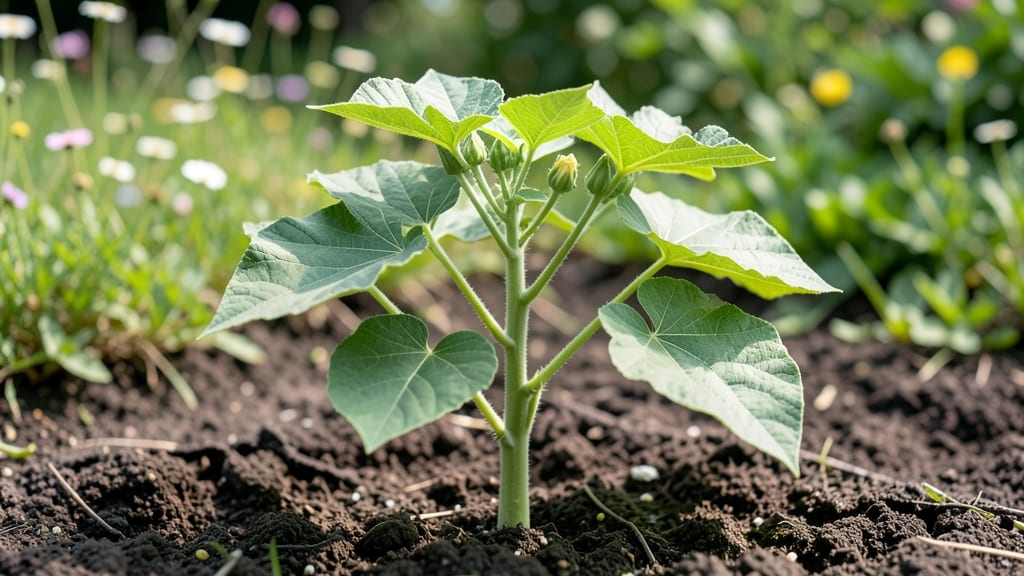
Fast okra plant sprouts start with the right conditions—warm soil, consistent moisture, and patience. I’ve learned that okra seeds germinate best when kept cozy (75–85°F) and moist but not soggy, which is why I swear by a small, shallow container with drainage.
The first sprouts usually appear in 5–10 days, but rushing the process by overwatering or using cold soil can stall them for weeks. The secret to success lies in the soil mix: equal parts potting soil and compost gives those tiny roots the nutrients they need without smothering them.
I’ve tried everything from peat pellets to seed-starting mixes, but my go-to is a simple blend that keeps the soil loose and airy.
Plant seeds ½ inch deep and space them 2 inches apart in the container—okra seedlings don’t like crowding, and they’ll compete for light if you pack them too tightly.
Once those first green hooks break the soil surface, keep the container in bright, indirect light (no direct sun yet—it’ll scorch them). Water gently at the base to avoid disturbing the delicate stems, and watch as they grow 1–2 inches per week if conditions are right.
The key is consistency: too much water drowns them, too little stunts their growth, and too much heat without humidity can leave them leggy and weak. This method works for both indoor starts (under grow lights) and outdoor containers once nighttime temperatures stay above 60°F. The payoff?
A head start on the growing season and plants that mature faster than store-bought seedlings. Here’s how to keep them thriving through the critical first weeks.
📚 In This Guide
- What you need
- Instructions
- Tips and common mistakes
- Wrapping up and next steps
What you need
- ● Okra seeds: 10–20 fresh, non-GMO okra seeds (check the packet for germination rates).
- ● Seed-starting containers: Option 1: 4–6 biodegradable peat pots (3–4 inches deep) or
- ● Option 2: A shallow tray (6+ inches deep) with drainage holes (e.g., plastic or coconut fiber).
- ● Seed-starting mix: 2–3 cups of sterile, well-draining potting soil (avoid garden soil—it may contain pathogens).
- ● Watering can or spray bottle: With a fine mist nozzle for gentle hydration.
- ○ Plastic wrap or humidity dome: To retain moisture (optional but highly recommended for faster germination).
- ○ Gloves (optional): To keep hands clean while handling soil.
- ● Plant labels: Small sticks or markers to label your containers.
- ○ Heat mat (optional): A seedling heat mat (70–85°F) to speed up germination (especially in cooler climates).
- ○ Grow lights (optional): A full-spectrum LED bulb if natural light is limited (12–16 hours/day).
- ○ Fertilizer (optional): A balanced, water-soluble fertilizer (5-10-5 ratio) for post-sprout care.
- ● A warm, sunny spot (70–90°F ideal) for containers—okra loves heat!
- ● Patience: Germination takes 7–14 days (depending on conditions).
- ● Consistency: Okra sprouts thrive with daily moisture checks and gentle care.
How to germinate okra seeds quickly in containers
Fast germination is all about warmth, moisture, and patience—here's my foolproof method.
Prepare Containers and Seed Starting Mix
Use clean, 4-inch deep containers with drainage holes. I like to fill them with a blend of 50% potting mix and 50% perlite—this keeps roots aerated while holding enough moisture for quick germination. Moisten the mix until it feels like a damp sponge, not soggy. Press it down gently so the surface is firm but not compacted.
Okra seeds are large, so you can plant 2 seeds per container—just in case one doesn’t sprout. Drop them ½ inch deep and about 1 inch apart. The larger size means they need less precision, but don’t bury them too deep or they’ll struggle to push through the soil.
Create Ideal Germination Conditions
Okra thrives in warmth, so place the containers in a spot where the soil stays between 80-90°F. A seedling heat mat works wonders here—I keep mine plugged in until sprouts appear. Cover the containers loosely with plastic wrap or a humidity dome to trap moisture and speed up germination.
Check daily but resist the urge to water. The dome should keep everything damp enough. You’ll see tiny cracks in the soil surface within 3-5 days—that’s your first sign of life. Once you spot those, remove the cover immediately to prevent fungal issues.
Provide Light and Airflow for Strong Sprouts
As soon as the first true leaves appear (not the initial seed leaves), move the containers to a bright, sunny window or under grow lights for 12-14 hours daily. Okra seedlings grow fast, but they need strong light to avoid becoming leggy. If you notice stems stretching toward the light, they’re hungry for more intensity.
Thin to the strongest seedling per container once both have 2-3 true leaves. Use clean scissors to snip the weaker one at soil level—don’t pull, or you’ll disturb the roots of the one you’re keeping. This ensures all energy goes to one healthy plant.
Harden Off Before Transplanting
When seedlings reach 4-6 inches tall and have 4-5 true leaves, they’re ready for the great outdoors. Start by placing them outside in a shaded, sheltered spot for 1-2 hours the first day. Gradually increase their time outside over 7-10 days, ending with a full day in direct sun.
This slow adjustment prevents shock. You’ll know they’re ready when they look plump and vibrant, not wilted. Plant them in the garden after your last frost date, spacing them 12-18 inches apart—okra needs room to spread and produce those signature pods.
Tips & tricks for fast okra germination
Here's what nobody tells you about getting those okra seeds to sprout like clockwork—these tricks cut down on waiting and boost success.
Heat is Non-Negotiable: Okra seeds need that 80-90°F soil temperature to germinate quickly. If your home stays cooler, place containers on a seedling heat mat or even a sunny windowsill with a clear plastic bag draped over them (like a mini greenhouse). I've seen germination times drop from 7 days to just 3 days using this trick. The key is keeping that soil warm consistently—cold soil is the #1 reason for slow starts.
Moisture Balance is Everything: While you're resisting the urge to water daily, make sure your 50% potting mix/50% perlite blend stays like a damp sponge—not soggy, not dry. I like to mist the surface lightly every other day once the humidity dome comes off. Too much moisture causes rot, but too little means seeds won't push through. Think of it like Goldilocks—just right is the only option.
The Light Transition Matters: When moving seedlings to 12-14 hours of light in Step 3, don't rush it. Start with morning sun only for the first 2-3 days, then gradually add afternoon light. Okra seedlings can get sunburned if exposed to full sun too soon. I've lost count of how many seedlings I've overdone—now I ease them into it like a first date, not a blind jump into the deep end.
Thinning Technique Saves Plants: That 2-3 true leaves thinning window is your best chance to avoid root disturbance. I use clean scissors to snip at soil level rather than pulling, which can tear delicate roots. The stronger seedling will thank you later with bigger pods. Pro tip: Do this on a cloudy day—less stress on the remaining plant from harsh sunlight.
Pro Tips for Okra Plant Sprouts
- Here's what nobody tells you about getting those okra seeds to sprout like clockwork—these tricks cut down on waiting...
- Heat is Non-Negotiable: Okra seeds need that 80-90°F soil temperature to germinate quickly. If your home stays cooler...
- Moisture Balance is Everything: While you're resisting the urge to water daily, make sure your 50% potting mix/50% pe...
Frequently asked questions
Got questions about growing okra from sprouts?
You’re not alone! Here are answers to the most common queries to help you get started confidently.
How long does it take for okra plant sprouts to germinate?
Okra sprouts typically emerge within 5–10 days after planting, depending on soil warmth and moisture. Keep the soil consistently moist (not soggy) and place the container in a spot with direct sunlight (6–8 hours daily) to speed up germination. If you’re in a cooler climate, use a heat mat to encourage faster sprouting!
Can I grow okra sprouts indoors?
Yes! Okra thrives indoors with the right setup. Use a south-facing window or a grow light (12+ hours/day) to mimic sunlight. Ensure your container has drainage holes, and maintain temperatures between 70–90°F. Just be prepared to transplant seedlings outdoors once they’re 3–4 inches tall, as okra loves warmth and space.
What if my okra sprouts turn yellow or wilt?
Yellowing or wilting sprouts often signal overwatering, poor drainage, or fungal issues. Let the soil dry slightly between waterings and avoid damp leaves. If mold appears, treat with a neem oil spray or improve airflow. Ensure your container isn’t too small—okra roots need room to stretch!
Are there faster-growing alternatives to okra?
If you’re short on time, try bush beans or zucchini, which sprout in 3–7 days and mature quicker than okra. For a similar texture, squash or eggplant are also great container-friendly picks. However, okra’s unique flavor and versatility make it worth the wait for patient gardeners!
When is the best time to plant okra sprouts outdoors?
Wait until after the last frost and soil temps reach 60°F+ (use a soil thermometer to check!). In most regions, this means late spring to early summer. Okra is sensitive to cold, so rushing it can stunt growth. Harden off seedlings (acclimate to outdoor conditions) for 5–7 days before transplanting.
Wrapping up and next steps
Growing okra from sprouts is a rewarding journey that brings fresh, homegrown produce to your table! With the right materials—like okra seeds, containers, and a sunny spot—you can enjoy fast germination and a thriving plant in no time.
Whether you're a beginner or a seasoned gardener, this method makes it easy to cultivate okra without the guesswork.
Now that you’re armed with tips and answers to common questions, it’s time to roll up your sleeves and get planting! 🌱 Start with just one container, experiment with your setup, and watch those okra plants sprout in under a week. Happy gardening—your future harvest is waiting!