
Planting
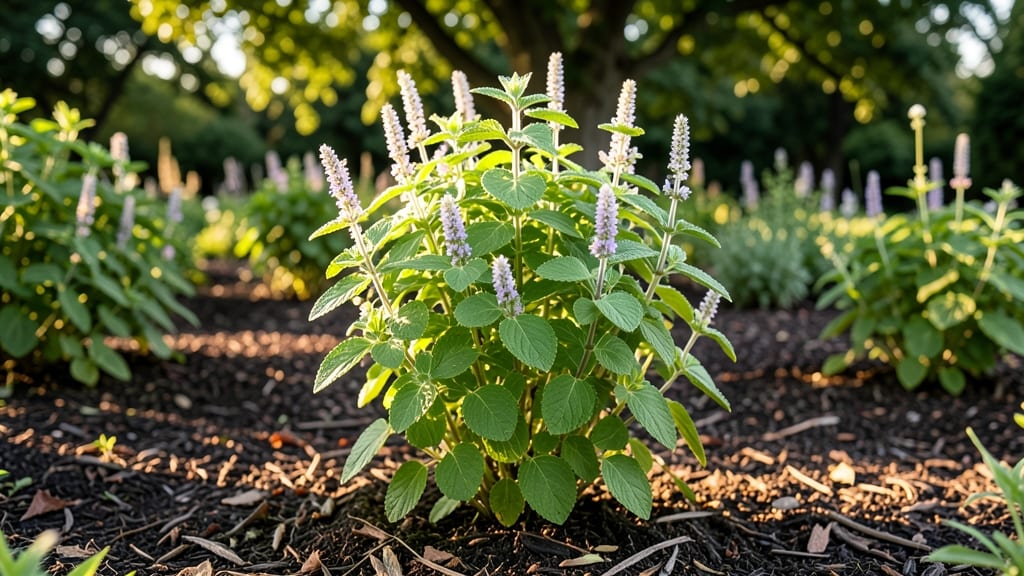
Growing an organic lemon balm plant is like inviting sunshine into your garden—it thrives almost anywhere and rewards you with that bright, citrusy fragrance. 🌿 I’ve grown it in everything from sunny borders to shady corners, and it always comes back stronger each year.
The key is understanding its flexible nature: it doesn’t demand perfect conditions, just a little patience and the right organic approach.
This hardy perennial loves well-draining soil and regular watering, but it’s surprisingly low-maintenance once established. You’ll want to plant it in spring or early summer, giving it space to spread—it can get quite bushy!
The secret to keeping it productive is consistent organic care: mulch to protect roots, fertilize lightly with compost, and watch it flourish without fuss.
By midsummer, you’ll have lush, fragrant leaves perfect for teas, pest-repellent sprays, or simply snipping fresh sprigs to brighten up dishes. The plant’s resilience means fewer pests and diseases, and its cheerful blooms add a touch of whimsy to any garden corner.
Whether you’re growing it for culinary uses, medicinal benefits, or just its cheerful presence, lemon balm is a garden workhorse that delivers. Here’s how to keep it thriving all season long—no green thumb required!
📚 In This Guide
- What you need
- Instructions
- Tips and common mistakes
- Wrapping up and next steps
What you need
- ● Lemon balm seeds or organic seedlings: 10–20 seeds (or 2–3 seedlings) for a small patch.
- ● Well-draining potting mix or garden soil: 5–10 gallons (for containers) or amended with compost (for in-ground planting).
- ○ Organic compost or fertilizer: 1–2 cups per plant (optional but recommended for nutrient boost).
- ● Watering can or hose with a gentle spray nozzle.
- ○ Garden gloves (optional but helpful).
- ● Trowel or small shovel (for transplanting).
- ● Containers (if growing in pots): 6–12-inch diameter pots with drainage holes.
- ● Mulch (straw or shredded leaves) to retain moisture.
- ● Pruning shears (for harvesting and shaping).
- ● Shade cloth (if in hot climates).
- ● Organic pest control (neem oil or companion planting with basil).
- ● Drip irrigation system (for consistent moisture).
Step-by-step guide to growing organic lemon balm
This hardy perennial spreads quickly—here’s how to cultivate it organically for years of fragrant harvests.
🌱 Step 1: Choose the Right Location and Soil
Lemon balm thrives in partial shade to full sun but tolerates 4-6 hours of morning light if temperatures exceed 80°F. I always test soil drainage first—this plant despises soggy roots. Amend heavy clay with 2-3 inches of compost to improve aeration and organic matter content.
Spread a 1-inch layer of organic mulch (like straw or shredded leaves) around the base to retain moisture and suppress weeds. The mulch also keeps roots cool during summer heatwaves. Lemon balm’s square stems and aromatic leaves will tell you it’s happy—watch for vigorous growth within 2-3 weeks of planting.
💧 Step 2: Plant and Water Established Starts
Dig a hole twice as wide as the root ball but only as deep as the container’s base. Gently remove the plant, loosen tangled roots, and place it so the top of the root ball sits 1 inch below soil level. This encourages strong root development before top growth.
Water deeply immediately after planting—1 gallon per plant—to eliminate air pockets. I always water at the base, avoiding leaves to prevent fungal diseases. Let the top 2 inches of soil dry between waterings once established, though lemon balm’s deep roots make it surprisingly drought-tolerant once mature.
☀️ Step 3: Maintain Through the Growing Season
Fertilize lightly in spring with ½ cup of organic 5-5-5 fertilizer per plant, working it into the top 2 inches of soil. Lemon balm grows fast but doesn’t need heavy feeding—too much nitrogen produces lush foliage at the expense of flavor. Watch for first true leaves to appear within 3-4 weeks of planting.
Pinch back tips by ⅓ when plants reach 6 inches to encourage bushier growth. Regular harvesting (cutting back by ⅓ when stems reach 12 inches) prevents flowering and keeps the plant productive. The lemony scent intensifies when leaves are harvested just before flowering begins.
✂️ Step 4: Divide and Propagate for Year-Round Harvests
Every 2-3 years, divide mature clumps in early spring when new shoots appear. Dig up the entire plant, separate crowns with 2-3 inches of roots attached, and replant divisions 12 inches apart. This prevents overcrowding and rejuvenates growth. Lemon balm spreads aggressively—contain it with underground barriers if needed.
For propagation, take 4-inch stem cuttings from non-flowering tips in early summer. Dip in rooting hormone, plant in moist potting mix, and cover with a plastic bag to retain humidity. Roots typically form in 3-4 weeks. The first true leaves on new cuttings will be smaller but develop the signature lemon scent.
Tips & tricks for growing thriving organic lemon balm
Here's what I've learned after years of growing this fragrant herb—these little details make all the difference with lemon balm.
Soil Drainage is Non-Negotiable: Lemon balm's roots will rot in soggy soil, so always test drainage before planting. I take a simple test: dig a hole, fill it with water, and if it drains in under an hour, you're good. For heavy clay soil, the 2-3 inches of compost mentioned in Step 1 isn't just recommended—it's essential. This improves both drainage and organic matter, which lemon balm loves.
Watering Wisdom: That initial 1 gallon per plant after planting isn't just about settling the soil—it's about eliminating air pockets that can strangle new roots. After that, let the top 2 inches of soil dry between waterings. I've seen beginners overwater, thinking lemon balm needs constant moisture, but its deep roots actually make it surprisingly drought-tolerant once established.
Harvesting Timing Matters: The instructions mention harvesting when stems reach 12 inches, but here's the secret: the best flavor comes just before flowering begins. You'll notice the buds forming—cut back then for maximum lemony intensity. And always harvest in the morning when essential oils are most concentrated. This simple timing adjustment transforms your harvest from good to exceptional.
Propagation Hack: When taking those 4-inch stem cuttings for propagation, focus on non-flowering tips—they root faster and produce stronger plants. I've found that using a clear plastic bag to retain humidity (as mentioned) works wonders, but add a small opening to prevent fungal issues. The first true leaves on new cuttings will be smaller but develop that signature lemon scent within weeks.
Pro Tips for Organic Lemon Balm Plant
- Here's what I've learned after years of growing this fragrant herb—these little details make all the difference with ...
- Soil Drainage is Non-Negotiable: Lemon balm's roots will rot in soggy soil, so always test drainage before planting. ...
- Watering Wisdom: That initial 1 gallon per plant after planting isn't just about settling the soil—it's about elimina...
Frequently asked questions
Got questions about growing your organic lemon balm plant?
You’re not alone! Here are answers to the most common queries to help you cultivate this fragrant, easy-care herb like a pro.
How fast does organic lemon balm grow?
Lemon balm is a fast grower! With the right conditions (sun or partial shade, well-draining soil), you can expect 1–2 feet of growth per season. It spreads aggressively via rhizomes, so prune it regularly to control its size. In ideal conditions, it may even bloom within 6–8 weeks after planting.
When is the best time to harvest lemon balm?
Harvest lemon balm before flowering for the strongest flavor and aroma—typically in late spring to early summer. Snip leaves with clean scissors, leaving at least 1/3 of the plant intact to encourage regrowth. For continuous harvests, pick leaves every 4–6 weeks throughout the growing season.
Can lemon balm grow in shade?
Yes! Unlike many herbs, lemon balm thrives in partial to full shade, making it perfect for shady gardens or containers. While it may grow slower in deep shade, it still produces fragrant leaves. Just ensure it gets at least 3–4 hours of indirect light daily for optimal health.
What pests or diseases should I watch for?
Lemon balm is generally pest-resistant, but watch for aphids, spider mites, or powdery mildew in humid conditions. To prevent issues:
- Ensure good airflow around plants.
- Water at the base (avoid wetting foliage).
- Remove infected leaves promptly.
Is lemon balm invasive? How do I contain it?
Lemon balm spreads quickly via underground runners, so it can become invasive in gardens. To keep it in check:
- Plant it in containers (like pots or raised beds).
- Prune aggressively after flowering to limit spread.
- Divide roots annually if growing in the ground.
Wrapping up and next steps
Growing your own organic lemon balm plant is a rewarding journey that brings fragrant beauty and natural benefits to your garden—whether in sun or shade! 🌿 With minimal effort and the right conditions, this versatile herb thrives, offering calming scents, culinary uses, and even medicinal perks.
Whether you're a seasoned gardener or a beginner, now is the perfect time to plant and enjoy the perks of this easy-to-grow herb.
Ready to take the next step? Start by gathering your supplies, choosing a sunny or shady spot, and plant your seeds or seedlings. Watch as your garden transforms into a fragrant haven—one lemon balm plant at a time! 🌱