
Planting
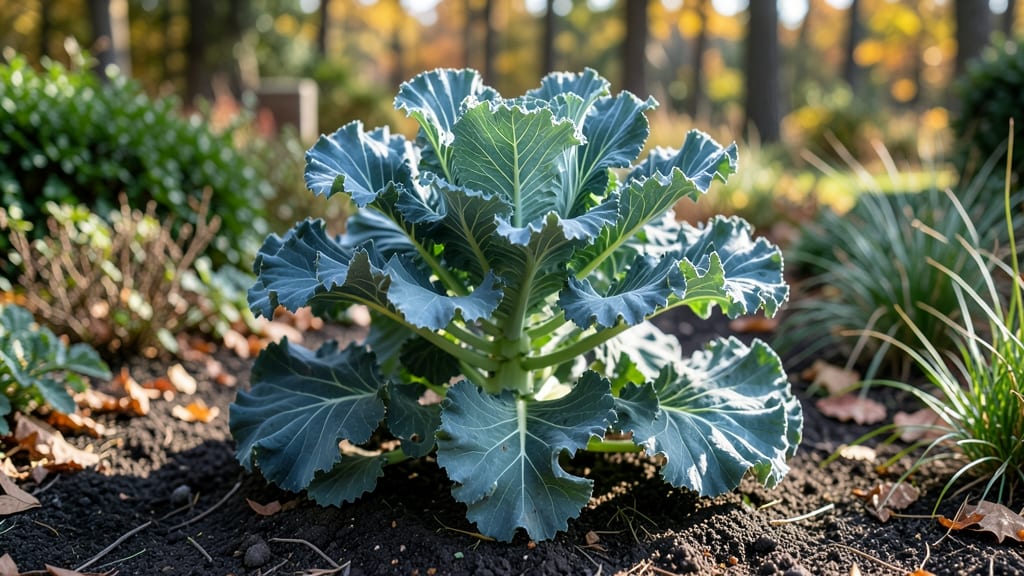
Ornamental kale plant care thrives where most plants freeze—its bold purple fronds stay vibrant through frost, making it the ultimate cold-climate showstopper. 🌿 I’ve grown it for years in Zone 5, and the secret isn’t complicated: it’s all about light, soil, and a little winter protection. Unlike its edible cousin, this variety is purely decorative, with colors that shift from deep burgundy to lime-green as temperatures drop.
The key to happy ornamental kale is full sun (6+ hours daily) and well-draining soil—think garden beds or containers with a mix of compost and sand. Water consistently but avoid soggy roots, and feed lightly with balanced fertilizer every 4-6 weeks.
Prune leggy stems in early spring to encourage bushier growth, and watch it bounce back like nothing happened.
By late fall, your plants will be more dramatic than ever, their fronds curling into edible-looking (but inedible) art. Use them as edging for garden beds, spill them over containers, or create a winter border that brightens gray days.
The best part? They keep looking fresh until hard frost hits.
Pro tip: Mulch heavily in late summer to protect roots, and consider frost cloth for extreme cold snaps. With minimal effort, you’ll have a year-round garden star that outshines annuals in every season. Ready to grow yours?
📚 In This Guide
- What you need
- Instructions
- Tips and common mistakes
- Wrapping up and next steps
What you need
- ● Ornamental kale plants: Choose cold-hardy varieties like 'Dazzle,' 'Russian Red,' or 'Pink Flash' (3–5 plants for a vibrant display).
- ● Well-draining potting mix: 5–10 gallons (for containers) or amend garden soil with compost (1 part compost to 3 parts soil).
- ○ Containers (optional but recommended): 12–18" pots with drainage holes (1–2 per plant) or a raised bed.
- ● Slow-release fertilizer: Balanced 10-10-10 or organic options like fish emulsion (follow package rates).
- ● Mulch: Straw or shredded leaves (2–3 inches) to insulate roots in cold climates.
- ● Garden trowel or transplant spade (for planting).
- ● Pruning shears (for trimming dead leaves or shaping).
- ● Watering can or hose with a gentle nozzle (avoid overhead watering to prevent disease).
- ● Garden gloves (to protect hands from thorns on some varieties).
- ○ Optional: Frost cloth (for extra protection in sub-freezing temps) or decorative stakes (to support tall varieties).
Step-by-step guide to growing stunning ornamental kale
Here's how to coax vibrant purple fronds from ornamental kale—even in chilly weather.
🌱 Step 1: Select the Right Variety and Planting Time
Choose cold-hardy varieties like 'Red Russian', 'Dwarf Blue Curled', or 'Rosette' for their striking colors and frost tolerance. These thrive in cool-season climates (USDA Zones 3-9) and actually improve flavor after light frosts. Plant seeds 8-10 weeks before your first fall frost for a winter display, or start in early spring for summer blooms.
I always plant mine in late summer (August-September)—this gives roots time to establish before cold weather sets in. The key is avoiding summer heat, which causes bolting (flowering). You'll know you've timed it right when seedlings show deep purple or blue stems within 4-6 weeks.
☀️ Step 2: Choose the Perfect Location with Partial Sun
Ornamental kale needs 4-6 hours of sunlight daily, but it tolerates morning sun with afternoon shade—ideal for containers or shaded garden beds. Full sun in hot climates will scorch leaves, turning vibrant colors dull. I plant mine in east-facing beds where they get gentle morning light and afternoon respite.
Watch for leaf color changes—if fronds turn pale yellow-green, they're getting too much sun. For containers, place them where they'll receive dappled shade during peak afternoon heat. The perfect spot delivers bold, crisp colors without stressing the plant.
💧 Step 3: Water Consistently and Fertilize Lightly
Keep soil evenly moist but never soggy—ornamental kale hates wet feet. Water at the base (not overhead) to prevent fungal diseases like downy mildew. I water mine every 2-3 days in cool weather, checking that the top 1-2 inches of soil feel dry before watering again. Overwatering is the fastest way to lose these beauties.
Fertilize once at planting with a balanced organic fertilizer (10-10-10) and again in early fall. Too much nitrogen will promote leafy growth at the expense of those stunning colors. You'll see richer hues when plants receive just enough nutrients—no yellowing or pale fronds.
✂️ Step 4: Protect from Pests and Frost Damage
Watch for cabbage worms, aphids, or flea beetles—they'll chew fronds into lace. I use neem oil spray (mixed weekly) as a preventative. For severe infestations, handpick pests or cover plants with floating row fabric. The goal is to preserve those showstopping colors for as long as possible.
Once temperatures drop below 25°F, protect plants with frost cloth or move containers to a sheltered spot. Ornamental kale actually improves after light frost—colors deepen and textures crisp—but prolonged freezing will damage stems. You'll know it's too cold when leaves turn mushy or blackened rather than vibrant.
🌿 Step 5: Extend the Season with Pruning and Harvesting
Cut back outer leaves in early spring to encourage fresh growth. This keeps plants compact and prevents legginess. I harvest individual fronds for arrangements or salads, always leaving the inner rosette intact. The plant will regrow, producing new colorful leaves within 3-4 weeks.
For a second flush of growth, fertilize lightly in early spring and thin crowded stems. You'll see new purple or blue shoots emerging from the center—this is your reward for proper care. In warm climates, ornamental kale bolts in spring, so treat it as an annual and replant seeds for fall.
Tips & tricks for growing vibrant ornamental kale
Took me years to perfect these tricks—here's how to grow ornamental kale that looks like it belongs in a botanical garden.
Variety Selection: The 'Red Russian' variety is my go-to for its deep purple hues and cold resilience. For blue tones, 'Dwarf Blue Curled' is unbeatable—just be prepared to thin seedlings early, as they grow more slowly. I always check seed packets for "ornamental" labels rather than "eating" labels, as the colors will be more intense and the texture more dramatic. The 4-6 week window for visible color development is your best indicator of success.
Light Management: Ornamental kale thrives in that sweet spot of 4-6 hours of morning sun with afternoon shade. I've found that placing containers near north-facing windows or under deciduous trees (which provide natural shade in summer) creates the perfect environment. The moment fronds start turning pale yellow-green, I know they're getting too much direct sun—this is when I move them to a shadier spot. In containers, this adjustment can happen in as little as 24 hours.
Frost Preparation: That 25°F threshold is critical—below this, take protective measures immediately. I use frost cloth (not plastic) to allow light and air circulation while protecting from freezing winds. For container plants, moving them to a sheltered porch or garage overnight works wonders. The key is acting before the first hard frost hits—once damage occurs, even the hardiest varieties struggle to recover their vibrant colors.
Pruning Strategy: When cutting back outer leaves in early spring, I always make clean cuts just above a set of leaves or buds. This encourages new growth from the center rather than creating leggy stems. The 3-4 week regrowth period is your reward for proper pruning—watch for those new purple or blue shoots emerging from the heart of the plant. For arrangements, I harvest individual fronds rather than whole plants to extend the display season.
Pro Tips for Ornamental Kale Plant Care
- Took me years to perfect these tricks—here's how to grow ornamental kale that looks like it belongs in a botanical garden.
- Variety Selection: The 'Red Russian' variety is my go-to for its deep purple hues and cold resilience.
- Light Management: Ornamental kale thrives in that sweet spot of 4-6 hours of morning sun with afternoon shade.
Frequently asked questions
Got questions about keeping your ornamental kale vibrant and thriving? Here are some of the most common concerns—plus expert tips to tackle them!
Can ornamental kale survive winter frost?
Ornamental kale is cold-hardy and can handle light frosts (down to 20°F/-7°C). In fact, cold temps enhance its sweetness and color. Just protect it from heavy snow or ice buildup by gently brushing off excess with a broom. For extreme winters (below 15°F/-9°C), add a light frost cloth for extra insulation.
How long does ornamental kale last in the garden?
With proper care, ornamental kale can last 4-6 weeks in the garden before bolting (flowering). To extend its life, plant in early fall (6-8 weeks before your first frost) and harvest outer leaves as needed. Avoid overcrowding—space plants 12-18 inches apart for airflow and longevity.
Why is my ornamental kale turning yellow or wilted?
Yellowing leaves often signal overwatering or nutrient deficiency. Ensure soil drains well (amend with compost if needed) and water only when the top inch feels dry. Wilting can also mean heat stress—move plants to partial shade if temps exceed 75°F (24°C). Check for pests like aphids or cabbage worms and treat with neem oil if spotted.
Can I grow ornamental kale in containers?
Yes! Containers work great for ornamental kale, especially in urban gardens. Use a 5-gallon pot minimum with drainage holes and a well-draining potting mix. Place in a spot with 4-6 hours of sunlight daily and water consistently. Just avoid containers that trap excess moisture—root rot is a common issue in poorly drained pots.
Is ornamental kale edible, or is it purely decorative?
You bet it’s edible! While grown for its stunning colors, the leaves are mildly sweet and packed with nutrients like vitamin C and calcium. Harvest young leaves for salads or sauté mature leaves like spinach. Pro tip: Cold snaps sweeten the flavor—wait for a frost before picking for the best taste!
Wrapping up and next steps
Caring for ornamental kale is a rewarding way to add vibrant color to your garden—even in chilly weather! With the right light, soil, and a little TLC, these bold purple fronds will thrive and keep your outdoor (or indoor!) space stunning.
Remember, patience and consistency are key, whether you’re nurturing seedlings or protecting mature plants from frost.
Ready to watch your garden glow? 🌿✨ Start by planting your kale this season—your future purple masterpiece is just a few steps away! Happy gardening!