
Planting
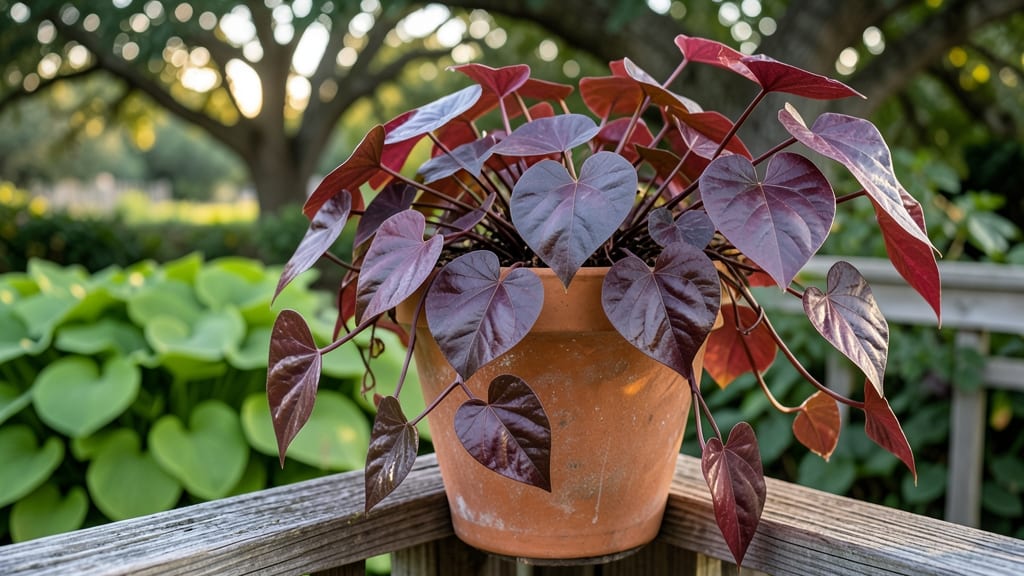
Ornamental sweet potato vine tubers deliver foliage so bold it stops conversations. 🌿 I've filled my summer containers with these vibrant vines, and the secret to their success starts with the right tubers and a little patience.
These aren't your grocery-store sweet potatoes—they're specially bred for their stunning leaves in colors like purple, lime, and deep burgundy.
The key to growing them lies in their love for warmth and sunlight, plus a soil mix that drains well but stays moist. I've learned that planting too early in cool soil leads to rot, while waiting until after the last frost gives them the jumpstart they need.
Most gardeners plant in spring, but in warmer zones, you can even overwinter them with a little protection.
By midsummer, your containers will be overflowing with trailing vines and lush foliage that lasts all season. The plants thrive in heat and drought once established, making them perfect for hot summer patios or hanging baskets.
Just keep an eye out for aphids—their favorite snack—and you'll enjoy vibrant displays from spring through fall.
For winter care, dig up tubers in colder climates and store them in a cool, dry place until spring. In milder areas, they often survive outdoors with a thick mulch layer.
The best part? These tubers are perennial in warm zones, so you'll have the same dramatic foliage year after year with minimal effort.
📚 In This Guide
- What you need
- Instructions
- Tips and common mistakes
- Wrapping up and next steps
What you need
- ● Ready to bring bold, year-round color to your containers with ornamental sweet potato vine tubers? Here’s everything you’ll need to get started—no green thumb required! 🌿✨
How to grow ornamental sweet potato vine tubers in containers
Here's the simple method I use to turn those eye-catching tubers into lush, trailing vines that brighten up every season.
🪴 Step 1: Choose and Prepare Your Containers
Select containers with drainage holes that are at least 6 inches deep and 12 inches wide—these vines need room to spread. I like terracotta pots because they breathe well, but plastic works too if you drill extra holes. For 4 plants, you'll need at least 4 containers (one per tuber).
Fill each container halfway with well-draining potting mix. Avoid garden soil—it compacts and drowns roots. Tap the pot gently to settle the mix, then water until moisture reaches 2 inches deep. The soil should feel damp but not soggy—you want it to hold water without pooling.
🌱 Step 2: Plant the Tubers Correctly
Gently separate the tubers, making sure each has at least one healthy "eye" (the small dimple where sprouts emerge). Place one tuber per container, with the eyes facing upward. Bury the tuber just below the soil surface—no deeper than ½ inch. Press the soil lightly around it so it stays in place.
Don’t cover the eyes completely; they need light to sprout. If your tubers are large, you can even plant two per container if you space them 4 inches apart. Water lightly after planting to settle the soil, but avoid soaking—this can rot the tubers before they sprout.
☀️ Step 3: Provide Warmth and Bright Light
Sweet potato vines thrive in bright, indirect light—think 4-6 hours of morning sun or filtered afternoon light. A south- or west-facing window is ideal, but if your space is dim, supplement with a grow light kept 6-12 inches above the plants. Keep the soil consistently moist (not soggy) until you see new growth.
Here’s the thing—these tubers won’t sprout until the soil warms to at least 65°F. If your home runs cooler, place the containers on a seedling heat mat or near a sunny window to speed things up. You’ll know it’s working when you see tiny green shoots in 7-14 days.
💧 Step 4: Water and Fertilize for Lush Growth
Once sprouts appear, water when the top inch of soil feels dry. Stick your finger in—if it’s dry, it’s time. Overwatering is the fastest way to kill these plants, so always check before watering. Use room-temperature water to avoid shocking the roots, and water at the base (not the leaves) to prevent fungal issues.
Feed with a balanced liquid fertilizer (like 10-10-10) every 4-6 weeks once the vines start trailing. I dilute it to half-strength—these plants are dramatic enough without heavy feeding. Watch for deep green, glossy leaves—that’s your sign they’re happy. If leaves yellow or wilt, cut back on water and move to a brighter spot.
✂️ Step 5: Prune and Maintain for Year-Round Drama
Pinch back the tips of new growth when vines reach 12 inches long to encourage bushier, fuller plants. This also slows down the trailing habit if you want a more compact look. Deadhead any brown or dying leaves immediately—they’ll drag down the plant’s energy.
In winter, if growth slows, reduce watering slightly but keep the soil lightly moist. These tubers are tough and can handle cooler temps, but never let them freeze. If leaves yellow or drop, it’s usually a light or water issue—adjust and they’ll bounce back. With the right care, your vines will keep producing bold, colorful foliage for months.
Tips & tricks for growing stunning sweet potato vine tubers
These simple strategies will help you transform those humble tubers into vibrant, year-round foliage stars.
Container Material Matters: While terracotta pots are my favorite for their breathability, don't overlook plastic containers with drainage holes. Plastic retains moisture better in dry climates, while terracotta helps prevent root rot in humid conditions. If using plastic, add extra holes at the bottom—these vines hate soggy roots. I've successfully grown them in everything from hanging baskets to repurposed food containers with proper drainage.
Soil Warmth is Non-Negotiable: That 65°F soil temperature requirement isn't just a suggestion—it's crucial for sprouting. If your home stays cool, place containers on a seedling heat mat or set them on a sunny windowsill with a clear plastic tent to trap warmth. I've seen tubers refuse to sprout in soil below 60°F, no matter how much water I gave them. A simple digital soil thermometer ($10) can save you weeks of frustration by confirming your soil is ready.
Light Strategy for Small Spaces: The 4-6 hours of morning sun is ideal, but if your space only gets afternoon light, rotate containers weekly to prevent lopsided growth. For indoor growing, position containers near a south-facing window and supplement with a grow light on a timer. I keep my grow light 8-10 inches above the plants for 12 hours daily—this mimics natural daylight cycles and prevents leggy growth. The key is consistency: these vines will stretch toward any light source if they're desperate.
Pruning Hack for Busy Gardeners: Instead of pinching back at exactly 12 inches, I use the "third-leaf rule"—when you see a third set of leaves on a stem, pinch just above that third leaf. This encourages branching while keeping the plant fuller. And here's a secret: cuttings from these pinched stems will root easily in water! Save your trimmings and you'll have free plants for friends or extra containers.
Pro Tips for Ornamental Sweet Potato Vine Tubers
- These simple strategies will help you transform those humble tubers into vibrant, year-round foliage stars.
- Container Material Matters: While terracotta pots are my favorite for their breathability, don't overlook plastic con...
- Soil Warmth is Non-Negotiable: That 65°F soil temperature requirement isn't just a suggestion—it's crucial for sprout...
Frequently asked questions
Got questions about growing and caring for ornamental sweet potato vine tubers? Here are some of the most common ones—and their answers!
Can I grow ornamental sweet potato vines from store-bought plants?
Yes! Many store-bought ornamental sweet potato vines (like those in hanging baskets) are grown from tubers. Simply root a healthy stem in water or soil, and once it establishes roots, you can replant it. Pro tip: Avoid using treated or diseased plants to prevent issues.
How long does it take for tubers to form after planting?
Tubers typically form within 3–4 months of planting, depending on warmth and care. For faster growth, ensure full sun (6+ hours/day), well-draining soil, and consistent moisture. Patience pays off! Harvest when vines slow in fall or before frost.
What’s the best way to overwinter the tubers?
Dig up tubers after the first frost when foliage dies back. Cure them in a dry, warm (80–85°F) spot for 1–2 weeks, then store in a cool (50–60°F), dark place with good airflow. Use dry peat moss or sand to prevent rot.
Can I use sweet potato vine tubers for cooking?
Most ornamental varieties (like ‘Margarita’ or ‘Blackie’) are bred for foliage, not edibility. However, some heirloom types (e.g., ‘Beauregard’) are safe to eat. Always confirm the variety before consuming—when in doubt, stick to decorative use!
Why are my vines turning yellow or wilting?
Yellowing leaves often signal overwatering or poor drainage. Wilting can mean underwatering, root rot, or pests (like spider mites). Check soil moisture, improve airflow, and inspect for bugs. Adjust care based on the issue—most vines bounce back quickly!
Wrapping up and next steps
Ornamental sweet potato vines are a game-changer for adding vibrant, low-maintenance flair to your containers year-round! 🌿 Their bold foliage and easy care make them perfect for both seasoned gardeners and beginners.
Whether you're experimenting with colors or seeking a quick, dramatic upgrade, these tubers deliver big results with minimal effort.
Ready to level up your garden? Start by selecting your favorite varieties and tubers—then dive in! Grab a pot, follow the steps, and enjoy the show your plants will create. Happy planting! 🌟