
Planting
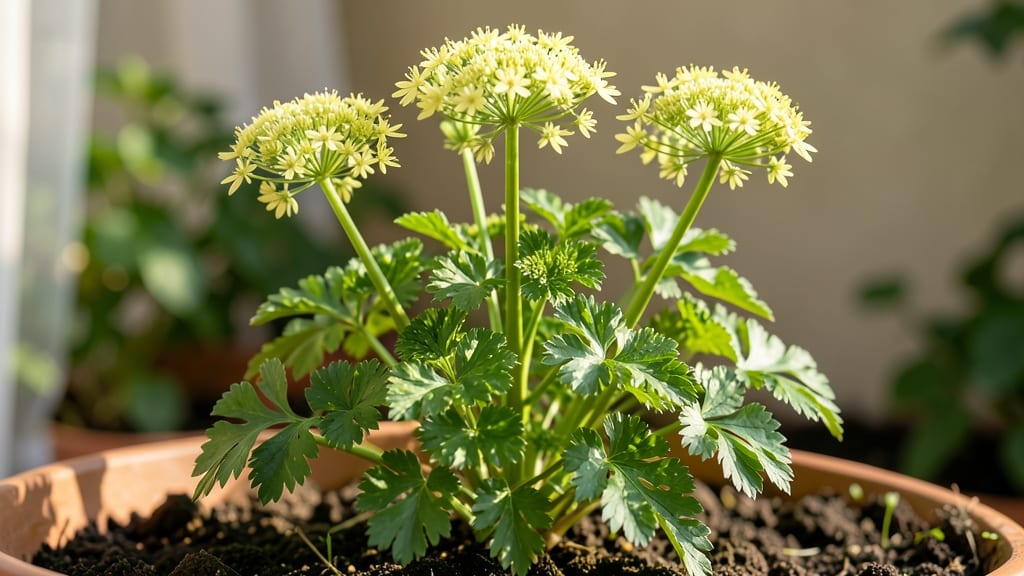
When parsley plants send up those delicate yellow-green flowers, it’s a sign they’re thriving—not failing. 🌿 I used to panic when mine bolted, but now I welcome the blooms as both a garden beauty and a bonus harvest.
Those flowers aren’t just pretty; they’re edible, packed with flavor, and a magnet for pollinators.
The key to keeping parsley productive is understanding the flowering cycle. If you want more leaves, pinch off flower stems early—this redirects energy back to the foliage. But if you’re growing parsley for both leaves and flowers, let some bloom.
The flowers add a mild, slightly bitter kick to dishes, and they attract beneficial insects like bees and hoverflies.
Harvesting flowers at their peak (when they’re fully open but before they seed) gives you the best flavor and keeps the plant from going to seed too quickly.
Toss them into salads, garnishes, or even homemade infused oils. The leaves stay tender and flavorful if you prune regularly, so you get the best of both worlds.
Whether you’re growing curly or flat-leaf parsley, the same rules apply. Just remember: the more you prune, the bushier and more productive your plant stays. And those flowers? They’re not just decorative—they’re a bonus harvest waiting to happen.
📚 In This Guide
- What you need
- Instructions
- Tips and common mistakes
- Wrapping up and next steps
What you need
- ● Parsley plants: 2–4 healthy Petroselinum crispum plants (flat-leaf or curly, organic preferred). Choose mature plants (6+ inches tall) with visible flower stalks.
- ● Well-draining potting mix: 1–2 gallons of organic, peat-free soil blend (e.g., 60% garden soil + 40% perlite/compost).
- ● Containers or garden space: Containers: 2–4 pots (10–12 inches wide, with drainage holes). Terracotta or fabric pots work best.
- ● Garden beds: Full sun (6+ hours/day) and loose, fertile soil with a pH of 6.0–7.0.
- ● Watering can or hose: With a gentle spray nozzle for hydration.
- ● Pruning shears: Sharp, clean scissors (sterilized with rubbing alcohol).
- ○ Fertilizer (optional but recommended): Balanced liquid fertilizer (e.g., 10-10-10) or compost tea for blooms.
- ● Edible flower companion plants: Chives, nasturtiums, or marigolds to attract pollinators and deter pests.
- ● Slow-release fertilizer pellets: For sustained nutrient delivery (e.g., Osmocote).
- ● Eggshells or crushed chalk: To boost calcium and deter slugs.
- ● Beeswax or food-grade spray: For preserving harvested flowers (if drying).
- ● Decorative stones or mulch: To retain moisture and add aesthetic appeal.
Step-by-step guide to encouraging edible parsley flowers
Here's how to coax those delicate parsley blooms into full, flavorful display.
🌱 Step 1: Choose the Right Parsley Variety for Flowers
Flat-leaf parsley (Petroselinum crispum) produces the most abundant, flavorful flowers. Curly parsley (Petroselinum crispum 'Curly') will bloom too, but the flowers are smaller and less showy. I always plant flat-leaf varieties specifically for their edible blooms—look for 'Italian Giant' or 'Moss Curled' types at your local nursery.
Start with healthy, established plants rather than seeds if you're focusing on flowers. Seed-grown parsley takes 90-120 days to mature, and the first blooms won't appear until the second year. For quick results, buy transplants from a reputable grower and give them a head start in 6-8 hours of sunlight daily.
☀️ Step 2: Provide Optimal Light and Temperature
Parsley flowers thrive in full sun, but they tolerate partial shade better than most herbs. Place your plants where they get at least 6 hours of direct sunlight daily. I've found that morning sun with afternoon shade works best in hot climates—this prevents the leaves from scorching while still encouraging blooms.
Temperature matters too. Parsley flowers best when daytime temperatures stay between 60-75°F. If your summers run hotter, provide afternoon shade with a sheer fabric shade cloth. You'll notice flowers start forming when days lengthen in late spring—this is your cue to monitor watering closely.
💧 Step 3: Water Consistently Without Overdoing It
Keep the soil evenly moist but never soggy. I water parsley plants when the top 1-2 inches of soil feel dry to touch. Overwatering causes the leaves to yellow and drop, while underwatering stresses the plant and delays flowering. A drip irrigation system set to 15-20 minutes every 2-3 days works perfectly for consistent moisture.
Here's the thing—parsley roots are shallow, so mulch heavily with 2-3 inches of organic mulch (like straw or shredded leaves) to retain moisture and regulate soil temperature. This also prevents weeds from competing for nutrients that could otherwise go toward flower production.
✂️ Step 4: Prune Strategically to Encourage Blooms
Regular pruning keeps parsley bushy and promotes more abundant flowers. Pinch back the tips of new growth when plants reach 6-8 inches tall—this encourages branching. I use clean, sharp scissors to snip just above a set of leaves where new growth emerges. Avoid cutting into woody stems, as parsley becomes less productive when stressed.
Once flower stalks appear, you can either let them go to seed or harvest them for culinary use. If you want more flowers, cut back the spent blooms to just above the first set of leaves. The plant will respond by producing new growth and often additional flower stalks within 3-4 weeks.
🌿 Step 5: Harvest and Use the Edible Flowers
Harvest parsley flowers in the morning after the dew has dried but before the sun gets too intense. Use clean scissors to cut the entire flower stalk at the base. You'll notice the flowers have a mild anise-like flavor—perfect for garnishing soups, salads, or fish dishes. The petals are edible and add a delicate parsley taste to both sweet and savory recipes.
Don't let the flowers go to seed if you want to keep the plant productive. Seed heads form after blooms fade, and while they're pretty, they signal the end of the plant's edible life cycle. If you do allow some to go to seed, save a few for next year's garden—parsley self-seeds readily in mild climates.
Tips & tricks for perfect parsley plant flowers
Here's what nobody tells you about getting the most vibrant, flavorful parsley blooms from your garden.
Variety Matters: If you're growing parsley specifically for flowers, flat-leaf varieties like 'Italian Giant' or 'Moss Curled' are your best bet. These produce the largest, most flavorful blooms—up to three times more abundant than curly parsley. I learned this the hard way after planting curly parsley and ending up with tiny, sparse flowers that barely made a dent in my dishes.
Sunlight Strategy: While parsley tolerates partial shade, you'll get the most abundant flowers by giving your plants at least 6 hours of direct sunlight daily. I've found that positioning them to get morning sun with afternoon shade in hot climates prevents leaf scorching while still encouraging blooms. This balance is especially important during those long summer days when temperatures can climb well above the ideal 60-75°F range.
Pruning Timing: The key to continuous blooms is strategic pruning. When your parsley reaches about 6-8 inches tall, pinch back the tips to encourage branching. This might seem counterintuitive since you want flowers, but it actually stimulates more flower stalks to develop. After flowers appear, cut back spent blooms to just above the first set of leaves—the plant will often produce new flower stalks within 3-4 weeks, giving you a steady harvest throughout the growing season.
Harvesting Wisdom: Timing your harvest is everything. Collect parsley flowers in the morning after dew has dried but before the sun gets too intense—this preserves their delicate flavor and vibrant color. I always use clean scissors to cut the entire flower stalk at the base, which also encourages the plant to produce more blooms. And here's a pro tip: if you're using the flowers for garnishes or in recipes, harvest them when they're fully open but before they start to fade—they'll be at their most flavorful and visually appealing.
Pro Tips for Parsley Plant Flowers
- Here's what nobody tells you about getting the most vibrant, flavorful parsley blooms from your garden.
- Variety Matters: If you're growing parsley specifically for flowers, flat-leaf varieties like 'Italian Giant' or 'Mos...
- Sunlight Strategy: While parsley tolerates partial shade, you'll get the most abundant flowers by giving your plants ...
Frequently asked questions
Got questions about parsley plant flowers?
You’re not alone—these delicate blooms spark curiosity! Here are answers to the most common queries, from timing to troubleshooting, so you can grow and enjoy them with confidence.
When do parsley flowers appear, and how long do they last?
Parsley flowers typically bloom 60–90 days after planting, depending on the variety (flat-leaf or curly). Flat-leaf parsley often flowers earlier and more prolifically. Once open, the tiny umbels (flower clusters) last 3–5 days per bloom, but new flowers emerge continuously for 2–4 weeks if conditions are ideal.
Can I eat parsley flowers, and how do I use them in cooking?
Parsley flowers are edible and flavorful, with a mild, slightly peppery taste. Snip them fresh into salads, garnish soups or pasta, or steep them in vinegar or oil for homemade floral-infused flavors. They’re also a stunning garnish for desserts or cocktails—just ensure they’re pesticide-free if foraging from wild plants.
Why aren’t my parsley flowers opening, or are they dying?
If flowers refuse to open or wilt quickly, check these common culprits:
- Lack of sunlight: Parsley needs 6+ hours of sun daily to bloom. Move to a sunnier spot if indoors.
- Overcrowding: Thin plants to 6–8 inches apart for better airflow and energy for flowering.
- Over-fertilizing: Too much nitrogen (common in leaf-focused fertilizers) promotes foliage over flowers. Use a low-nitrogen, high-phosphorus fertilizer instead.
- Temperature stress: Flowers may drop if temps dip below 50°F (10°C) or exceed 85°F (29°C).
If flowers appear but don’t last, they might be overly humid—ensure good drainage and avoid overhead watering.
What’s the best way to harvest parsley flowers for cooking?
Harvest flowers in the morning after dew dries but before the heat of the day. Use clean, sharp scissors to snip clusters just above a leaf node. For continuous blooms, prune lightly (remove only 1/3 of flowers at a time) to encourage regrowth. Store harvested flowers in a paper towel-lined container in the fridge for up to 3 days.
Are there alternatives to parsley flowers for edible garnishes?
If parsley flowers are scarce, try these equally beautiful and edible blooms:
- Nasturtiums (peppery, vibrant orange/red)
- Borage (cucumber-like flavor, star-shaped blue flowers)
- Calendula (mild, citrusy, petal-friendly)
- Chive blossoms (onion-garlic aroma, delicate purple)
All thrive in similar conditions and add color and nutrition to dishes!
Wrapping up and next steps
Growing parsley plant flowers isn’t just about adding beauty to your garden—it’s a delicious way to elevate your cooking with edible blooms! From their vibrant colors to their subtle flavors, these flowers bring charm to dishes and a pop of color to your plate.
Whether you’re a seasoned gardener or just starting out, embrace the joy of harvesting and using these edible treasures—your kitchen (and taste buds) will thank you!
Ready to take the next step? Try incorporating parsley flowers into a salad, garnish, or homemade infused oil—or even experiment with drying them for later use. Happy gardening (and eating)! 🌸🍽️