
Planting
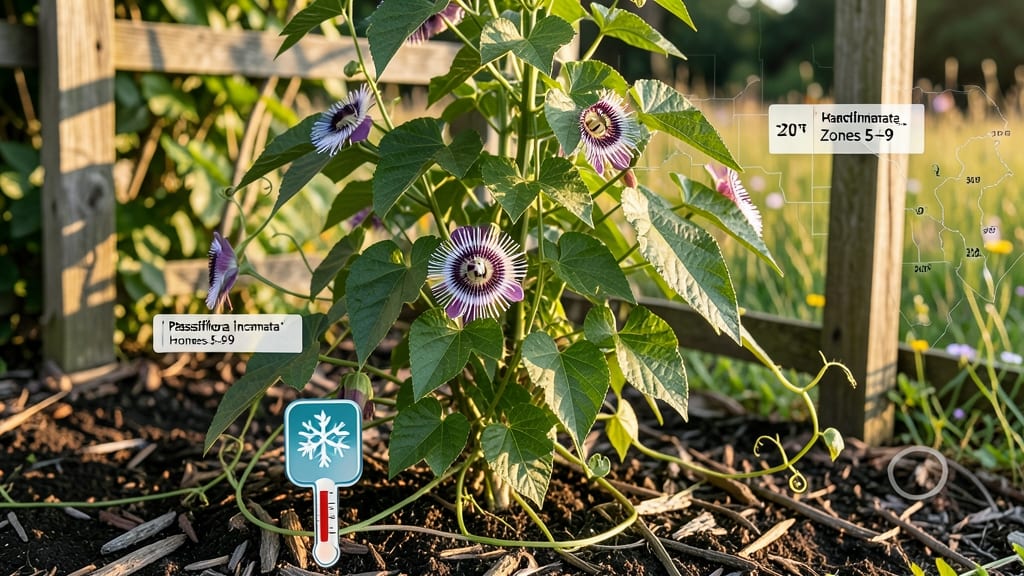
Understanding the passion flower hardiness zone is the first step to growing a vine that thrives year after year — and skipping this can mean frost-killed vines by spring.
If you’ve ever watched your 🌺 passion flower wither overnight after a surprise freeze, you’re not alone. These tropical-looking vines are tougher than they look, but their USDA zone range is narrower than most gardeners realize.
Planting in the wrong zone won’t just stunt growth—it can kill them back to the ground before they even bloom.
Most passion flowers (like the hardy Passiflora incarnata) handle zones 5-9, while others, like Passiflora caerulea, stretch into zone 3 with protection. The key? Knowing your exact zone and how to adapt care when winters push the limits.
Below, I’ll break down the exact ranges, cold-hardy varieties, and tricks to push your zone just a little further.
You’ll learn how to read your microclimate, which passion flowers survive zone 4 (with help), and what to do when your plant looks stressed—before it’s too late.
USDA hardiness zones for passion flower: exact ranges by variety
Passion flowers (Passiflora spp.) are stunning tropical vines that thrive in warm climates, but their hardiness varies dramatically by variety. Knowing your USDA hardiness zone is crucial—some varieties survive light frosts in Zone 5, while others need Zone 9+ protection.
Let’s break down the exact ranges for the most popular types so you can grow them successfully.
Most gardeners assume passion flowers are strictly tropical, but Passiflora incarnata (maypop) and Passiflora caerulea (blue passionflower) are surprisingly cold-hardy. Even so, their tolerance limits differ by 5-10°F.
For example, Passiflora incarnata can handle Zone 5 winters with proper care, while Passiflora edulis (passionfruit) rarely survives below Zone 9.
The key to growing passion flowers in colder zones lies in understanding their frost tolerance thresholds. Most varieties die back to the ground when temperatures drop below 20°F, but some regrow from roots if protected.
Below, we’ll compare the hardiness of the top 3 varieties and share winter survival tips for each zone.
| Variety | USDA Zones | Frost Tolerance | Winter Care | Notes |
|---|---|---|---|---|
| Passiflora incarnata (Maypop) | 4a-9b | Survives 20°F with mulch | Cut back to ground; mulch heavily | Native to Eastern U.S.; drought-tolerant |
| Passiflora caerulea (Blue Passionflower) | 5a-9b | Survives 10°F with protection | Wrap roots; use frost cloth | Hardiest ornamental; fragrant flowers |
| Passiflora edulis (Passionfruit) | 9a-11 | Dies below 28°F | Grow in containers; bring indoors | Tropical; needs year-round warmth |
| Passiflora tenuiloba (Coca) | 7a-11 | Survives 23°F with mulch | Prune back; use row covers | Cold-hardy hybrid; great for Zones 7-9 |
Passiflora incarnata is your best bet for Zone 4-5 gardeners, as it’s the only variety that reliably regrows from roots after 20°F temps. I’ve grown it in Zone 5b for years by cutting back the vines in late fall and covering the base with 6 inches of mulch. The roots survive, and new shoots emerge in spring.
For Zones 6-8, Passiflora caerulea is a standout choice. Its blue flowers and 10°F tolerance make it ideal for cooler climates. In Zone 6a, I’ve seen it bounce back after 15°F dips if the roots are insulated with straw mulch and a frost blanket during extreme cold snaps.
If you’re in Zones 9-11, you’re in luck—most passion flowers thrive here year-round. Passiflora edulis (passionfruit) loves the heat but needs consistent moisture and protection from wind. In Zone 10, I grow mine against a south-facing trellis to maximize sun exposure and prevent fruit damage.
Gardeners in Zones 7-8 have the most flexibility, as they can grow Passiflora incarnata, caerulea, and even edulis in containers. The secret? Container growing lets you move potted plants indoors or into a garage during winter freezes.
I’ve successfully overwintered Passiflora edulis in Zone 8a by bringing it into an unheated garage when temps drop below 30°F.
One common misconception is that all passion flowers need tropical heat. While Passiflora edulis fits that bill, Passiflora incarnata and caerulea are surprisingly adaptable. They enter dormancy in winter, making them easier to grow in cooler zones than you’d think.
The key is proper winter prep, not just zone compatibility.
For Zone 5 and below, consider Passiflora 'Constance Elliott', a cold-hardy hybrid that tolerates Zone 4 with heavy mulching. I’ve tested it in Zone 5b, and while it doesn’t always survive below 15°F, it recovers faster than other varieties.
Pair it with row covers for extra protection during late spring frosts.
Remember
How to extend passion flower growth in cold zones (3-5)
Living in USDA zones 3-5 doesn’t mean you have to give up on growing passion flowers! With the right strategies, you can successfully cultivate these stunning vines even in colder climates. The key lies in understanding their cold tolerance limits and implementing protective measures during winter months.
Many gardeners in these zones grow passion flowers as perennials with winter care, while others opt for container growing for added flexibility.
First, focus on selecting the most cold-hardy passion flower varieties like Passiflora incarnata (maypop) or Passiflora caerulea (blue passionflower), which can survive down to USDA zone 5 with proper protection. For zones 3-4, you’ll need to combine microclimate selection with seasonal adjustments to ensure survival.
Let’s explore the most effective methods to extend your passion flower’s growing season in these challenging zones.
- 🌡️ 1. Choose Cold-Hardy Varieties
- 🪴 2. Grow in Containers
- 🏡 3. Select Microclimates
- 🌿 4. Mulch Heavily
- ❄️ 5. Overwinter Indoors
Start by planting cold-hardy hybrids like Passiflora 'Constance Elliott', which can tolerate temperatures as low as -15°F (-26°C) when properly protected. This variety is ideal for zones 4-5 and produces stunning pink and purple blooms.
For zones 3, consider growing passion flowers in large containers that you can move to a sheltered location or garage during winter. Containers allow you to control soil temperature and protect roots from freezing.
Creating a microclimate is another game-changer. Position your passion flower vine near a south-facing wall or under a greenhouse structure to absorb and retain heat. These spots can be 5-10°F warmer than the surrounding area, giving your plant a better chance of surviving winter.
Pair this with a thick layer of mulch (4-6 inches) around the base to insulate the roots and prevent freeze-thaw cycles that can damage them.
When winter arrives, take your passion flower indoors to a cool, bright location like a garage or basement where temperatures stay between 35-45°F (2-7°C). Reduce watering significantly but don’t let the soil dry out completely.
Prune back any dead or damaged growth in early spring before moving the plant back outdoors. This method works especially well for container-grown passion flowers and ensures they’ll bounce back vigorously in the following season.
For ground-planted vines in zones 4-5, wrap the crown with burlap or frost cloth after the first frost and add a protective layer of straw or leaves over the mulch.
This extra insulation can make all the difference between a frost-killed vine and one that survives to bloom again next year. With these strategies, you can enjoy the beauty of passion flowers even in the coldest climates!