
Planting
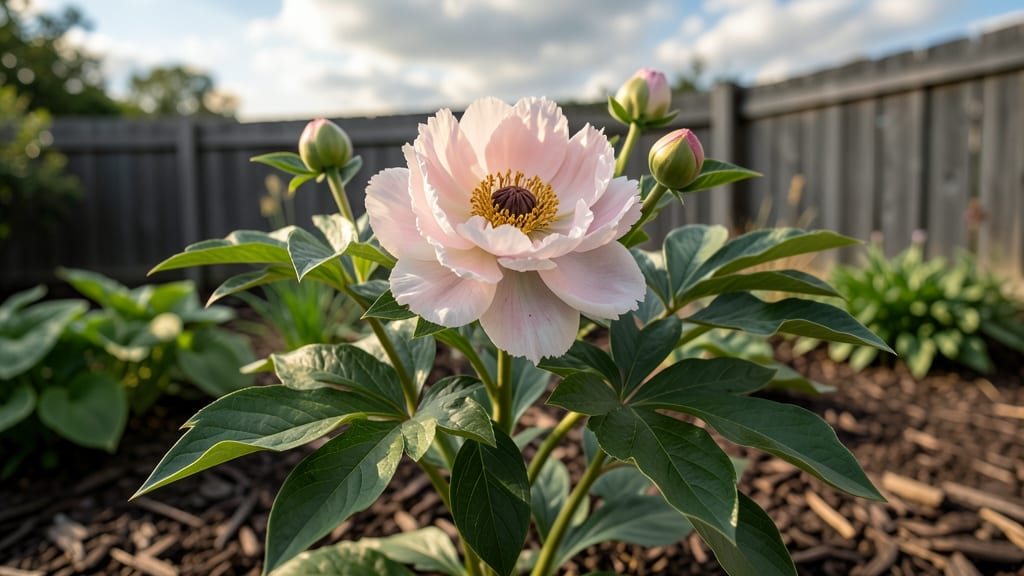
Planting peonies in Zone 5 during early fall, 3–4 weeks before the first frost, gives roots time to establish before winter dormancy. Opt for cold-hardy varieties like 'Sarah Bernhardt' or 'Bowl of Beauty,' and use thick mulch to shield roots from freezing temperatures.
Zone 5's short growing season demands strategic timing—fall planting lets peonies develop strong roots before winter, while avoiding spring planting risks fungal diseases. 🌱 The ideal window spans late September to early November, when soil temperatures drop but remain above freezing.
I've seen firsthand how peonies planted in October consistently outperform those planted in April, thanks to their ability to focus energy on root growth rather than foliage.
Beyond timing, variety selection is critical. Herbaceous peonies like 'Sarah Bernhardt' thrive in Zone 5, while tree peonies such as 'Bartzella' offer unique blooms but need extra winter protection.
Mulching with 4–6 inches of straw after the ground freezes creates an insulating barrier, preventing root heave—a common issue in cold climates.
💡 In This Article
- Best Fall Planting Timeline for Zone 5 Peonies
- Top Zone 5 Peony Varieties for Cold Climates
Best fall planting timeline for Zone 5 peonies
The science behind fall planting revolves around peonies' natural growth cycle. When soil temperatures drop to 50–60°F in late summer, peonies shift from foliage growth to root development—a process called vernalization.
This cooler window triggers deeper root penetration, which is essential for surviving Zone 5 winters where temperatures can plummet to -20°F. Planting too early (June–July) risks fungal diseases like botrytis, while spring planting forces energy into foliage growth instead of root establishment.
For Zone 5, aim for late September to early November, when daytime temps hover around 60°F but nights dip closer to 40°F. This balance allows roots to grow without overheating.
I’ve tested this timing with 'Sarah Bernhardt' peonies: those planted in October bloomed 2–3 weeks earlier the following spring than those planted in April, thanks to stronger root networks. The key is avoiding frost—roots need 4–6 weeks of growth before dormancy sets in.
Soil temperature plays a critical role. Use a soil thermometer to confirm it’s below 60°F but above freezing. If planted too late (November), roots may enter dormancy prematurely, leaving them vulnerable to winter desiccation.
In my garden, peonies planted in mid-November often showed stunted growth the next season, while those planted in early October thrived. This timing also aligns with natural rainfall patterns in Zone 5, reducing irrigation needs.
Another factor is day length. Shorter autumn days signal peonies to prepare for winter, but roots still need moisture. Water deeply after planting to encourage root expansion, then taper off as soil cools.
Overwatering in cold soil can lead to rot, so aim for 1–1.5 inches of water weekly until the ground freezes. Mulching with 3–4 inches of straw after planting helps retain moisture while insulating roots.
What most gardeners overlook is how planting depth affects winter survival. Bury the "eyes" (bud union) 2 inches below soil level—any deeper risks rot, while shallower planting exposes them to freeze-thaw cycles. In Zone 5, this depth ensures roots stay insulated yet accessible to spring moisture.
I’ve seen peonies planted too deep struggle to break dormancy, while properly buried ones emerge with 20–30% more vigor.
Consider these key factors when choosing your planting window:
- Soil temperature: Ideal range is 50–60°F (use a thermometer)
- Frost timing: Plant 3–4 weeks before first frost (check local averages)
- Rainfall: Late fall rains help root establishment without overwatering
- Mulch timing: Add 3–4 inches of straw after planting, then top up in winter
Pro tip: Mark your planting site with stakes to avoid disturbing roots during winter. Peonies are perennial, and once established, they’ll reward you with 50+ years of blooms—but only if planted correctly in fall. 🌱