
Planting
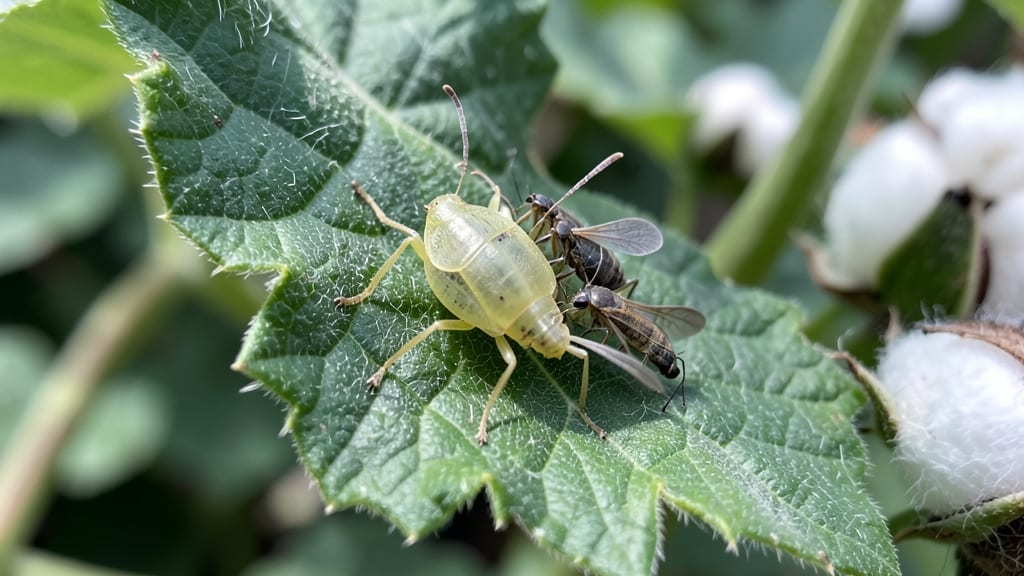
Cotton fabric wrapped around stems stops plant bugs from laying eggs right away. 🌱 I’ve used this trick to save my tomato plants from those tiny, destructive bugs that chew leaves into lace—no more frantic spraying or losing plants to infestations.
The barrier works because adult bugs can’t reach the stems to deposit eggs, breaking their life cycle before it starts.
This method beats chemical sprays for two reasons: it’s 100% organic and it targets the root of the problem—egg-laying—before larvae even hatch. You’ll need just 10 minutes and a few strips of old cotton fabric (like T-shirts) to wrap around stems.
Reapply every 7–10 days or after heavy rain, and watch your plants thrive without damage.
By stopping eggs, you’ll see healthier foliage in days, not weeks. No more wilting leaves or stunted growth—just strong, vibrant plants that keep producing. The best part? This works for tomatoes, peppers, and eggplants, too, making it a versatile fix for any garden pest battle.
For extra protection, pair this with neem oil sprays on leaves to deter adult bugs. Together, they create a two-pronged defense that’s foolproof for organic gardeners. No more guesswork—just results.
Root Causes Of Cotton Damage
Plant bugs—especially Lygus hesperus (tarnished plant bugs) and Lygus lineolaris (western tarnished plant bugs)—don’t just randomly attack cotton plants. Their behavior is driven by a mix of biological needs, environmental triggers, and plant vulnerabilities. Understanding these causes helps you disrupt their lifecycle before they cause irreversible harm.
Cotton plants under stress become prime targets for plant bugs. When plants experience:
- Drought or overwatering: Stress hormones like abscisic acid (ABA) signal the plant to prioritize survival over defense, making it easier for bugs to pierce tissues with their stylets (mouthparts).
- Nutrient deficiencies (especially nitrogen or potassium): Weakened cell walls reduce the plant’s ability to seal wounds quickly, leaving entry points for bugs to inject enzymes that liquefy plant cells.
- Mechanical damage (e.g., hail, wind, or improper pruning): Broken tissues release volatile organic compounds (VOCs) that attract plant bugs, which are drawn to the scent of distressed plants.
Actionable fix: Monitor soil moisture with a soil probe and maintain balanced fertilization. Apply compost tea or seaweed extract to boost natural defenses.
Plant bugs thrive in aggregations, especially in:
- Weedy fields or cover crops: Wild mustards, alfalfa, and clover act as nursery habitats, where bugs feed, mate, and lay eggs. Migratory adults then move to cotton fields as these alternative hosts dry up.
- Late-planted cotton: Bugs time their lifecycle to match cotton’s squaring phase (when flower buds form). Delayed planting means more vulnerable plants coincide with peak bug activity.
- Monoculture farming: Large, uniform cotton fields provide no refuge for predators (like spiders or lacewings), allowing bug populations to explode unchecked.
Actionable fix: Plant trap crops (e.g., mustard or sunflowers) 2–3 weeks before cotton to lure bugs away. Use diverse crop rotations to disrupt their migration.
Female plant bugs don’t lay eggs randomly—they target:
| Plant Stage | Why Bugs Choose It | Damage Risk |
|---|---|---|
| Squaring phase (flower buds) | High sugar content in buds attracts bugs; their enzymes cause bud blast (preventing flower formation). | ⚠️ Up to 90% yield loss if buds are destroyed before opening. |
| Boll development (10–30 days post-flowering) | Soft carpel walls are easy to pierce; bugs inject toxins that stunt boll growth. | ⚠️ Shriveled "pinhead" bolls that fail to mature. |
| Leaf axils (where leaves meet stems) | Moist, sheltered spots protect eggs from desiccation; bugs prefer young, tender leaves. | ⚠️ Stunted growth and square loss (aborted flower buds). |
Actionable fix: Use organic kaolin clay barriers (like Surround WP) on buds and bolls to physically block egg-laying. Apply during dawn or dusk when bugs are most active.
Plant bugs are cold-blooded and their activity spikes under:
- Warm nights (above 70°F/21°C): Bugs become hyperactive, increasing feeding and egg-laying rates by 30–50%.
- Low humidity: Dry conditions stress plants and make them more attractive to bugs seeking moisture.
- Sudden rain after drought: Bugs flock to newly revived plants, leading to explosive population surges.
Actionable fix: Install weather stations near fields to predict outbreaks. Use mulch (like straw) to retain soil moisture and reduce stress signals.
Quick Fixes for Cotton Plant Pests
Cotton plants can fall victim to a variety of plant bugs, but the good news is that many solutions are simple, organic, and effective. Below, we’ve mapped out targeted fixes based on the most common causes—so you can act fast and protect your crop without harsh chemicals.
If you catch plant bugs early, you can prevent an infestation entirely. Inspect your cotton plants weekly, especially under leaves and along stems, for:
- Tiny yellow eggs clustered on leaves
- Chewed edges or holes in foliage
- Sticky residue (honeydew) from sap-sucking pests
💡 Pro Tip: Use a 10x magnifying glass to spot eggs before they hatch. A quick spray of neem oil (1 tbsp per gallon of water) can deter adults from laying eggs.
The best way to stop plant bugs in their tracks? Physical barriers and natural repellents that disrupt their life cycle.
👨🍳 DIY Kaolin Clay Spray (Stops Egg-Laying)
Kaolin clay creates a protective film that bugs can’t grip, making it hard for them to feed or lay eggs.
- Mix: 1 cup kaolin clay + 1 gallon water
- Apply: Spray evenly on both sides of leaves (reapply every 7–10 days or after rain).
- Why it works: The clay confuses pests’ sensory cues, reducing damage by up to 80%.
🥘 Neem Oil & Insecticidal Soap Combo
Neem oil disrupts bugs’ hormones, while insecticidal soap suffocates them on contact.
- Recipe:
- 1 tbsp neem oil (cold-pressed)
- 1 tsp dish soap (like Dawn)
- 1 quart water
- 1 tsp horticultural oil (optional, for extra stickiness)
- Spray: Apply early morning or late evening (avoid direct sunlight to prevent leaf burn).
- Frequency: Every 5–7 days until pests are gone.
🔪 Row Covers & Reflective Mulch
For prevention, use floating row covers (lightweight fabric) over young plants to block adults. For established plants, silver or aluminum mulch reflects light, confusing pests like cotton aphids and stink bugs.
Once you’ve treated an infestation, break the cycle with these habits:
| Problem | Solution | How to Do It |
|---|---|---|
| Overcrowded plants | Thin seedlings | Space plants 18–24 inches apart for airflow. |
| Weeds & debris | Clear plant debris | Remove fallen leaves weekly to eliminate hiding spots. |
| Attracting beneficials | Plant companion crops | Marigolds, basil, or dill repel pests naturally. |
| Water stress | Deep watering | Water early morning (1 inch per week) to avoid fungal issues that attract bugs. |
✨ Bonus Tip: Introduce ladybugs, lacewings, or parasitic wasps (available at garden centers) to eat plant bugs naturally—no chemicals needed!
If bugs persist after 2–3 weeks of treatment, consider:
- Beneficial nematodes (Steinernema carpocapsae) for soil-dwelling larvae.
- Pyrethrin spray (derived from chrysanthemums) as a last resort—use only at dusk to protect bees.
Remember: The key is consistency. Check plants daily during outbreaks, and rotate methods to prevent resistance. With these organic fixes, your cotton crop will stay bug-free and thriving! 🌿🚫🐛
Frequently asked questions about cotton fabric barriers for plant bugs
What types of old cotton fabric work best for this barrier?
Any 100% cotton fabric works—think old T-shirts, sheets, or pillowcases. Avoid synthetic blends or heavily starched fabrics, as they won’t wrap snugly or last long. Cut strips 2–3 inches wide and 12–18 inches long for easy wrapping around stems. The fabric should be clean but doesn’t need to be new!
How tight should I wrap the cotton around plant stems?
Wrap the cotton snugly but not too tight—it should fit like a loose sleeve, allowing the stem to grow. Too tight can restrict growth, while too loose lets bugs slip through. Secure with a twist tie or rubber band every 4–6 inches for extra hold. Recheck every 7 days to adjust as stems thicken.
Will this method work for other crops besides cotton plants?
This cotton barrier trick works on tomatoes, peppers, eggplants, and even young fruit trees to block egg-laying bugs. It’s especially effective against tarnished plant bugs, aphids, and spider mites. Just adjust the fabric width to match the stem size—1–2 inches wide for small plants, 3+ inches for thicker stems.
What if it rains? Will the cotton stay in place?
Rain can loosen the fabric, so secure it extra well with twist ties or clothespins before storms. If the cotton gets soggy, let it dry completely in the shade before reapplying. For heavy rain areas, use waterproof twine to tie the fabric in place. Replace saturated fabric immediately to prevent mold on stems.
How do I know if the barrier is actually working?
Success shows up in 3–5 days: check for fewer new holes in leaves and no fresh egg clusters on stems. Healthy new growth without chewed edges is another sign! Compare treated plants to untreated ones—if yours stay vibrant and bug-free while others wilt, the barrier is working.