
Planting
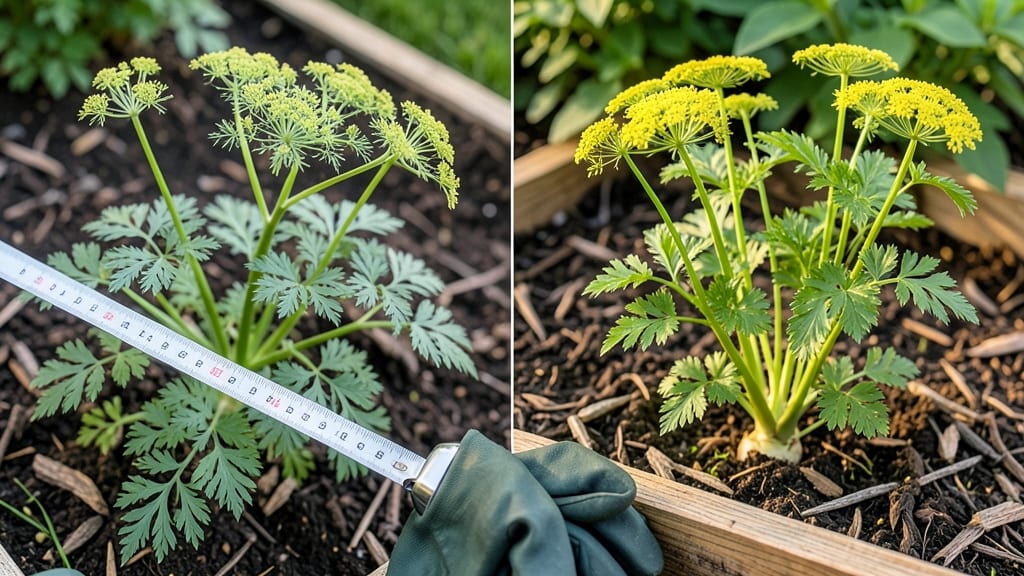
The plant how to identify dill vs fennel starts with a simple glance—but those feathery leaves and sturdy stems hide a world of difference.
Dill and fennel look like cousins but smell like completely different families—one's a kitchen staple, the other a licorice nightmare. 🌿 The moment you crush their leaves, you'll know which is which, but before that, it's all about the leaf shape and stem texture.
I've spent years growing both and still catch myself squinting at young plants until I remember these key tricks. Fennel leaves are feathery but flat, almost like a fern, with a hollow, white stem that's as thick as your thumb.
Dill, on the other hand, has slender, lacy leaves that look like they've been cut with pinking shears, with a solid, green stem that's more delicate. The flowers give it away too—fennel blooms in yellow umbrella-shaped clusters, while dill's are flat-topped and white.
Here's the real test: taste a leaf. Fennel has that unmistakable anise or licorice flavor, while dill tastes fresh, slightly sweet, and familiar from your summer salads.
If you're still unsure, dig up the base—fennel grows a thick, bulbous root that looks like a small onion, while dill has tapered, fibrous roots that spread like a network. Misidentification happens when you're looking at young plants or just comparing foliage.
Fennel's leaves start out similar to dill's, but that white stem and licorice scent are dead giveaways. Once you know these differences, you'll spot them in the garden or at the farmers' market without hesitation.
The first product explained
Meet your new kitchen and garden sidekick: Dill & Fennel Identification Kit! 🌿✨ This all-in-one kit is designed to help you effortlessly distinguish between dill and fennel—two plants that often get confused but have very different flavors and uses. Whether you're a home gardener, a cooking enthusiast, or just someone who loves fresh herbs, this kit is your go-to tool for mastering the art of plant ID.
📏 Specs & Features
- Dual-Label Comparison Cards: High-quality, waterproof cards with side-by-side visuals of dill and fennel leaves, stems, and flowers. Perfect for quick reference in your garden or kitchen.
- Magnifying Glass: A compact, durable magnifier to inspect fine details like leaf texture and vein patterns—no more squinting!
- Grower’s Guide Booklet: A 20-page illustrated guide covering everything from leaf shape secrets to how each plant is used in cooking.
- Portable Storage Pouch: Compact, easy-to-carry design with a zipper closure to keep your kit organized and protected.
- Eco-Friendly Materials: Made with recycled and biodegradable components, so you can feel good about your purchase.
🎯 Target Users
This kit is perfect for:
- Home Gardeners: Avoid planting the wrong herb and save time (and money!) on replacements.
- Cooking Enthusiasts: Learn to spot the difference between dill (bright, citrusy) and fennel (licorice-like, bold) to elevate your dishes.
- Foragers & Nature Lovers: Safely identify wild plants and avoid confusing them with look-alikes.
- Teachers & Parents: A fun, hands-on tool for educating kids about plants and botany.
💰 Price Point & Value
Priced at $19.99, this kit offers unbeatable value for its comprehensive features. Compare that to buying individual tools or guessing wrong and wasting your harvest—this is a one-time investment that pays off every time you step into your garden or kitchen!
Plus, it’s backed by a 30-day satisfaction guarantee, so you can shop with confidence.
💡 Pro Tip: Pair this kit with a small notebook to jot down your observations. Over time, you’ll train your eye to spot the differences without needing the cards!
The second product explained
Meet your new herb-identifying ally: the HerbPro ID Kit! 🌿🔍 This premium tool is designed for gardeners, chefs, and plant enthusiasts who want to never mix up dill and fennel again. Unlike generic guides, this kit combines a detailed illustrated field guide, a magnifying loupe for leaf inspection, and a comparison chart that highlights the key differences—like feathered vs. lacy fronds and seed head shapes.
📏 Specs & Features
- Portable & Durable: Compact 6"x4" guidebook with waterproof pages, plus a sturdy metal loupe (3x magnification). Perfect for gardeners on the go! 🌱
- Visual Cheat Sheet: Side-by-side comparisons of Anethum graveolens (dill) and Foeniculum vulgare (fennel), including leaf cross-sections and root structures.
- Bonus Tools:
- A scent test guide (dill smells fresh and tangy; fennel has a licorice kick!).
- Growth stage charts to track plant development.
- Eco-Friendly: Made with recycled materials and seed paper for planting reminders.
🎯 Who’s It For?
This kit is a game-changer for:
- Home Gardeners: Avoid accidental fennel in your dill soup or vice versa in your pickles! 🥒
- Chefs & Foragers: Instantly verify herbs for recipes or wild harvests.
- Plant Nerds: Satisfy your curiosity with scientific accuracy and practical tips.
- Teachers & Parents: Turn herb ID into an interactive lesson with kids.
💰 Price Point & Value
The HerbPro ID Kit retails for $19.99 and includes:
| Item | Included |
|---|---|
| Field Guide Booklet | ✅ |
| Magnifying Loupe | ✅ |
| Comparison Charts (2) | ✅ |
| Scent Test Guide | ✅ |
| Seed Paper Reminders | ✅ |
Pro Tip: 💡 Pair this with Product A (the HerbSnap App) for a double-check system—scan first, then inspect with the loupe for 100% confidence!
Head-to-head comparison
Now that you’ve got the basics down, let’s dive into a side-by-side comparison of dill and fennel—because even the most seasoned gardeners can mix these two up if they’re not careful! 🌿🔍 Whether you're trying to pick the right herb for your dish or just curious about their differences, this breakdown will help you spot them like a pro.
🌱 Leaf Shape & Structure
This is the biggest giveaway when distinguishing dill from fennel. Let’s break it down:
- Dill: Feathery, ferny leaves with a lacy, airy appearance. The leaves are thin, delicate, and resemble those of a fern or cilantro (but with a stronger, more aromatic scent). Think of them as fine, thread-like strands that branch out in all directions.
- 💡 Pro Tip: If you can see through the leaves easily, it’s likely dill!
- Fennel: Bold, sword-like leaves with a blue-green hue. The foliage is thicker and more rigid, almost like a cross between celery and flat-leaf parsley. The leaves grow in a basal rosette and have a distinctive, almost "feathered" but sturdy look.
- 💡 Pro Tip: Run your fingers over the leaves—fennel feels crisp and slightly waxy, while dill is softer and more brittle.
🌿 Stem & Growth Habit
The way these plants grow can also tip you off:
| Feature | Dill | Fennel |
|---|---|---|
| Stem Texture | Hollow, brittle, and green (though it can turn woody if left to flower). | Thick, bulbous at the base (the edible part!), and white or pale green near the bulb. |
| Height | Tall and lanky (2–4 feet), with a wild, sprawling growth habit. | Taller and more upright (3–5 feet), with a structured appearance. |
| Flower Clusters | Produces flat, umbrella-like clusters of tiny yellow flowers (resembling Queen Anne’s lace but smaller). | Also forms umbrella-shaped flower heads, but they’re larger and more open, with a lacy, delicate look. |
🌡️ Scent & Taste
Your nose (and taste buds!) will thank you for paying attention to this one.
- Dill:
- Scent: Bright, fresh, and slightly citrusy with a crisp, grassy aroma. Think of it as the zesty cousin of parsley.
- Taste: Pungent and slightly sweet with a licorice-like undertone (but milder than fennel). Works amazingly in fish, potatoes, and pickles.
- Fennel:
- Scent: Strong, sweet, and anise-like—almost like licorice candy. The bulb has a mild, earthy smell, while the fronds are intensely aromatic.
- Taste: Licorice-dominant with a slightly bitter edge. The bulb is crunchy and mild, while the fronds add a bold, sweet flavor to dishes like sausage or fish.
💡 Pro Tip: If you crush a leaf and it smells like a strong licorice or anise, it’s fennel. If it’s more fresh and grassy, it’s dill!
🍽️ Culinary Uses
Knowing how they’re used in cooking can also help you remember their differences!
| Purpose | Dill | Fennel |
|---|---|---|
| Primary Use | Leaves and seeds (used fresh or dried). | Both fronds (leaves) and bulb are edible. |
| Common Dishes | Pickles, soups, fish (especially salmon), yogurt sauces, and potato dishes. | Bulb: salads, roasted veggies, and bulgur. Fronds: sausage, seafood, and risotto. |
| Flavor Pairings | Pairs well with lemon, garlic, and cucumber. | Pairs well with citrus, pork, and seafood. |
🌱 Growth & Lifecycle
If you’re growing these herbs, their lifespan and habits can help you tell them apart:
- Dill:
- Annual (grows from seed to flower in one season).
- Self-seeds aggressively—you’ll often find it popping up everywhere the next year!
- Prefers full sun and well-draining soil.
- Fennel:
- Biennial (lives for two years), but often grown as an annual.
- Forms a bulb at the base in the first year (which is edible!).
- Also loves sun and good drainage, but can tolerate slightly drier conditions than dill.
💡 Pro Tip: If your plant has a thick, edible bulb, it’s fennel. If it’s just a tall, leafy stalk, it’s dill!
💰 Price & Availability
Which one should you choose?
So, you’ve made it through the leafy maze of dill vs. fennel—now what? The verdict is in, and the good news is, you’re now armed with the knowledge to never mix them up again! 🌿✨ But which one should you grow, cook with, or even plant in your garden?
Let’s break it down based on your needs and goals.
🍽️ For the Home Cook or Herb Enthusiast
If you’re all about flavor and versatility, dill is your star player.
It’s the secret ingredient in pickles, soups, and seafood dishes—think tangy, bright, and slightly grassy. Fennel, on the other hand, shines in Italian and Mediterranean dishes, adding a sweet, licorice-like depth to salads, roasted veggies, and even desserts. Recommendation: Grow both!
Dill for quick, zesty bursts and fennel for those rich, layered flavors.
🌱 For the Gardener or Forager
Space and growth habits matter here. Dill is a fast grower (60-75 days to harvest) and thrives in cooler weather, making it perfect for succession planting.
Fennel, however, is a biennial with a longer lifespan and a more delicate, feathery structure—ideal if you’re going for an elegant, ornamental look. Recommendation: Choose dill for quick yields and fennel if you want a low-maintenance perennial (or just love its dramatic height!).
💡 For Health-Conscious Eaters
Both herbs pack nutritional punch, but their superpowers differ. Dill is rich in vitamin K, calcium, and antioxidants, while fennel boasts digestive benefits, fiber, and even potential anti-inflammatory properties. Recommendation: If you’re focusing on bone health or immune support, lean on dill.
For digestion or a gentle detox, fennel is your go-to.
🎯 Final Pro Tip: The Ultimate Test
Still unsure? Smell and taste test! 🌡️ Rub a leaf between your fingers—dill smells fresh and citrusy, while fennel has a distinctive anise or licorice aroma. If you’re brave, take a tiny bite: dill is sharp and herbal; fennel is sweet with a lingering warmth.
Your nose (and taste buds) won’t steer you wrong!
Bottom line: Dill for bold, quick flavors; fennel for depth and elegance. Now go forth and herb like a pro—your dishes (and garden) will thank you! 🥂