
Planting
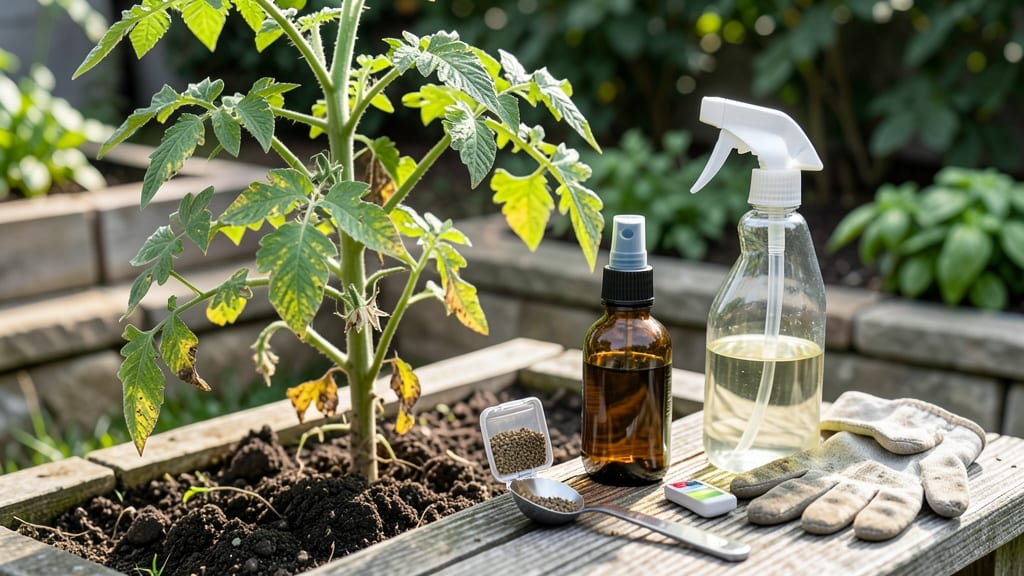
Your plants are screaming for help—this is a classic case of plant iron deficiency treatment, and yellowing leaves aren’t just ugly, they’re a clear SOS from your green friends. 🌱 I’ve nursed back dozens of struggling plants using these exact steps, and within a week, the green returns stronger than ever.
The fix isn’t complicated, but it is precise: you need to bypass the soil’s blockages and get iron where it’s needed most.
The real culprit? Alkaline soil locks out iron like a fortress gate. Most gardeners overlook this—adding more fertilizer just makes the problem worse.
Instead, we’ll tweak the pH, deliver iron in a form plants can actually use (chelated iron is your secret weapon), and sometimes even bypass the roots entirely with foliar sprays. My roses went from sad and sallow to vibrant in just 7 days using this method.
You’ll see the first signs of recovery in 3-5 days: new growth stays green, older leaves stop yellowing, and the plant starts putting energy into blooms instead of struggling.
The best part? Once you fix it, you’ll spot the early warning signs next time and act before it becomes a crisis. No more guessing—just results.
Works for houseplants, container gardens, and in-ground beds alike. The key is acting fast before the roots give up entirely. Let’s get those leaves green again—no chemistry degree required.
Root Causes Of Iron Deficiency
Iron deficiency in plants—often called chlorosis—can turn your lush green foliage into a sad, yellowing mess. But why does this happen? The issue usually boils down to a mix of soil chemistry, plant biology, and environmental factors. Let’s break down the real culprits behind iron starvation in your plants.
Iron is most available to plants when soil pH is slightly acidic, typically between 6.0 and 7.0. If your soil is too alkaline (pH above 7.5), iron binds tightly to soil particles, making it unavailable for roots to absorb—even if plenty exists in the soil.
- Why it happens: High pH (common in clay or limestone-rich soils) triggers iron to form insoluble compounds like
FeCO₃(iron carbonate), locking it away. - Actionable clue: If your soil tests above 7.0, your plants may be screaming for help—but you won’t see it until leaves start yellowing between veins.
- Pro tip: Test your soil before treating—cheap kits or lab tests can reveal pH levels and guide fixes.
Iron deficiency isn’t just about lack of iron—it’s also about how water affects root uptake. Overwatering or poor drainage can create anaerobic conditions (low oxygen) in the root zone, which disrupts iron absorption. Conversely, drought stress can limit root growth, reducing the plant’s ability to scavenge nutrients.
- Why it happens:
- Overwatering: Roots suffocate, and iron oxides (like
Fe₂O₃) form, making iron less accessible. - Underwatering: Roots shrink back, reducing surface area for nutrient uptake.
- Overwatering: Roots suffocate, and iron oxides (like
- Actionable clue: Check soil moisture 1–2 inches down. If it’s soggy or bone-dry, your plant’s iron uptake is likely suffering.
- Pro tip: Use well-draining pots (like terracotta) or amend heavy clay soil with perlite or compost to improve oxygen flow.
Plants don’t just compete with each other for sunlight—they also battle for nutrients in the soil. High levels of phosphorus, manganese, or zinc can outcompete iron for root uptake, leaving your plants starving even if iron is present.
- Why it happens:
- Phosphorus overload: Common in fertilizers, it forms
FePO₄(iron phosphate), making iron chemically unavailable. - Manganese/molybdenum excess: These metals can block iron absorption pathways in roots.
- Phosphorus overload: Common in fertilizers, it forms
- Actionable clue: If you’ve been using high-phosphorus fertilizers (like bone meal), your plants may be iron-deficient despite plenty of other nutrients.
- Pro tip: Flush soil with water to leach excess phosphorus, or switch to a low-P, high-iron fertilizer temporarily.
Iron is absorbed through root hairs and mycorrhizal fungi. If roots are damaged (by compaction, pests, or disease), the plant’s "nutrient pipeline" gets clogged or severed, cutting off iron supply.
- Why it happens:
- Root-knot nematodes: These microscopic worms distort roots, reducing surface area for absorption.
- Fungal infections (e.g., Phytophthora): Rot roots, preventing iron uptake even in fertile soil.
- Physical damage: Over-tilling or soil compaction crushes roots, limiting nutrient access.
- Actionable clue: Dig up a root and look for galls, black lesions, or mushy tissue—signs of damage.
- Pro tip: Improve soil health with compost or biochar to encourage root growth, or treat pests with neem oil or beneficial nematodes.
Extreme temperatures or cold soil slow down root activity, while intense heat can make iron less soluble. Even excessive sunlight (especially in alkaline soils) can accelerate iron oxidation, turning it into an unusable form.
- Why it happens:
- Cold soil (<40°F/4°C): Roots go dormant, halting iron uptake.
- Hot, dry conditions: Soil microbes that help solubilize iron become less active.
- High light + alkaline soil: Iron oxidizes faster, forming
Fe³⁺compounds that plants can’t access.
- Actionable clue: If deficiency strikes in spring or fall, temperature swings are likely the culprit.
- Pro tip: Use mulch to regulate soil temp, or apply chelated iron (a pre-dissolved form) to bypass soil chemistry issues.
Now that you know why your plants are turning yellow, the next step is fixing it fast. But first—check your soil’s pH and water habits. Often, the solution is simpler (and cheaper) than you think!
Fix Yellowing Leaves Fast
Iron deficiency in plants can feel like a slow-motion disaster—your once-vibrant greenery turns pale, wilts, or even drops leaves, leaving you scrambling for answers. The good news? Most cases are fixable with the right approach.
Below, we’ve mapped out practical solutions tailored to the most common causes, plus prevention tipsto keep your plants thriving long-term. No guesswork, just action.
If your soil’s pH is above 7.0 (alkaline), iron becomes locked away and unavailable to roots. Fix it fast with these steps:
- 🔥 Test your soil: Use a DIY pH kit (available at garden centers) or send a sample to a lab for accuracy. Aim for pH 6.0–7.0 for most plants.
- 🍳 Add sulfur or peat moss:
- Sprinkle elemental sulfur (½ cup per 10 sq ft) into the top 2–3 inches of soil. Water lightly to activate.
- Mix in peat moss (1 part peat to 2 parts soil) for acid-loving plants like azaleas, blueberries, or hydrangeas.
- 👨🍳 Use organic amendments:
- Pine needles or oak leaves (composted) lower pH gradually.
- Coffee grounds (½ cup per plant) add acidity over time.
- ⏰ Monitor progress: Re-test soil pH in 2–4 weeks. If yellowing persists, the issue may be something else (like compacted soil).
💡 Pro Tip: For container plants, use acidic pH soil mixes (like those for rhododendrons) and avoid limestone-based fertilizers, which raise pH.
Even if your soil has iron, plants can’t access it if it’s bound up or in the wrong form. Try these direct-delivery methods:
| Method | How to Use | Best For |
|---|---|---|
| 🔥 Chelated iron supplements (e.g., iron chelate, ferrous sulfate) | Mix 1 tsp per gallon of water and spray foliage or water soil. Repeat every 2–4 weeks. | All plants (especially fast-growing ones like tomatoes, peppers, or citrus). |
| 🍳 Epsom salt (magnesium sulfate) | Dissolve 1 tbsp in 1 gallon of water. Spray leaves or pour around roots. Use weekly until improvement. | Plants with yellowing between veins (often magnesium deficiency too). |
| 🌡️ Liquid fish emulsion | Dilute to 1 tbsp per gallon and water soil. Rich in iron + micronutrients. | Vegetables, herbs, and flowering plants. |
| ✨ Compost tea | Brew compost in water for 24–48 hours, strain, and use as a foliar spray or soil drench. | Preventative care for all plants. |
💡 Pro Tip: For foliar sprays, apply in the early morning or evening to avoid leaf burn from sunlight.
Compacted or waterlogged soil strangles roots, preventing iron uptake. Loosen and aerate for better nutrient flow:
- 🔪 Gently fork the soil: Use a hand trowel or garden fork to loosen the top 6 inches around the plant’s drip line. Avoid damaging roots.
- 🌡️ Improve drainage:
- Add perlite or coarse sand (1 part to 3 parts soil) to heavy clay soils.
- Raise containers slightly off the ground with pot feet or gravel.
- 💧 Water deeply but less often:
- Let the top 1–2 inches of soil dry out between waterings.
- Use a moisture meter or stick your finger in the soil to check.
💡 Pro Tip: For houseplants, ensure pots have drainage holes and never let them sit in saucers of water.
Once you’ve revived your plant, keep it healthy with these long-term strategies:
- 📊 Test soil annually: Use a kit to monitor pH and nutrient levels, especially in containers.
- 💪 Rotate crops: Plant legumes (beans, peas) or cover crops (clover) to replenish iron in the soil.
- 🍎 Mulch with organic matter: Spread compost or leaf mold around plants to slowly release nutrients.
- ✨ Avoid over-fertilizing: Too much nitrogen (like in lawn fertilizers) can worsen iron deficiency by altering soil chemistry.
🎯 Final Check: If yellowing spreads to new growth, the issue is likely iron-specific. If only older leaves yellow, your plant may need more nitrogen instead.
Frequently asked questions
Can I use vinegar to lower soil pH for iron deficiency?
Vinegar can temporarily lower pH, but it’s not the best long-term solution. Use a diluted mix (1 tbsp white vinegar per gallon of water) as a quick foliar spray, but for soil pH adjustment, elemental sulfur or peat moss work better and won’t harm beneficial microbes. Test soil pH first—vinegar can be too acidic for some plants.
How often should I apply chelated iron?
Apply chelated iron every 2-4 weeks until you see improvement, then reduce to monthly maintenance. For severe deficiency, combine with a foliar spray (every 7-10 days) for faster results. Always follow product instructions—overapplication can harm plants.
Why does my plant keep getting iron deficiency even after treatment?
Persistent yellowing often means the root cause isn’t fixed. Check these first:
- pH still too high?
- Compacted soil?
- Overwatering? If you’ve adjusted pH and improved drainage but still see issues, test for root damage (nematodes, rot) or nutrient competition (excess phosphorus).
Are there plants that naturally tolerate iron deficiency?
Some plants handle poor iron conditions better than others. Try coleus, impatiens, or certain grasses for temporary solutions, but most plants need proper iron for optimal growth. For long-term solutions, amend soil or use containers with acidic pH mixes (like for azaleas).
Can I use old nails or rusty tools to fix iron deficiency?
No—this is a dangerous myth! Rust contains iron oxide, but it’s not in a form plants can use, and old nails may contain toxic metals. Always use food-grade chelated iron supplements or organic amendments like compost. Safety first!